





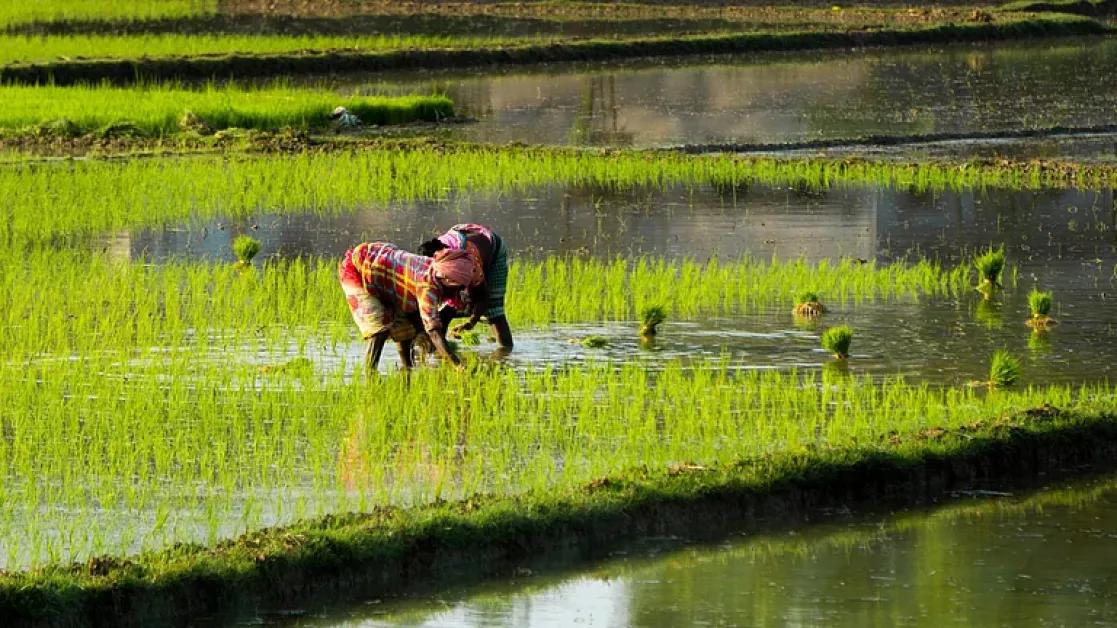
Government Activates Emergency Crop Protection Plans Across 315 Districts
With monsoon rains 43% below average, the Centre has rolled out contingency plans for 315 vulnerable districts in 12 states, pushing crop-switching, seed stocks, and water conservation.
By Naina, 24th June 2026
The government has activated emergency crop protection plans across 315 districts as a weak monsoon threatens India's summer-sown harvest. Agriculture Minister Shivraj Singh Chouhan announced the move on Tuesday after chairing a meeting with state agriculture ministers, scientists, and weather and farm officials, against the backdrop of rains running about 43 percent below average. Spread across 12 states, the plans set out district-level responses, from switching to hardier crops to securing seed and water supplies, aimed at limiting the damage to the kharif season and protecting farm incomes for millions.
The action marks a shift from preparation to execution. With the India Meteorological Department forecasting weak rainfall through early July and El Niño suppressing the monsoon, the government has moved to triage the most exposed regions and lock in contingencies before sowing peaks. Officials stressed that India holds ample stocks of staples, easing immediate food-security fears, but the focus now is on keeping farmers planting and cushioning the rural economy. Here is what the plans involve.
The 315 Districts at Risk
At the centre of the response are 315 districts across 12 states identified as vulnerable to deficient rainfall. The states most exposed include Madhya Pradesh, Maharashtra, Tamil Nadu, Gujarat, Uttar Pradesh, Rajasthan, Karnataka, Bihar, Jharkhand, Telangana, Andhra Pradesh, and Odisha. These regions cover much of India's rainfed farming heartland, where crops depend directly on the monsoon rather than irrigation. By mapping the risk district by district, the government aims to direct support where a poor monsoon would bite hardest.
The Priority Classification
The plan grades districts by severity. Of the 315, the government has flagged 111 as high priority because less than a quarter of their farmland is irrigated, leaving them acutely dependent on rain. Another 76 districts have been designated medium priority. This tiering lets the administration focus seed supplies, advisories, and water-conservation efforts on the places least able to withstand a dry spell. It also reflects a more targeted approach than blanket measures, concentrating resources where the gap between need and irrigation is widest.
The Crop-Switching Strategy
A core element is shifting what farmers plant. States have been advised to encourage growers in rain-fed areas to move toward short-duration and less water-intensive crops such as pulses, millets, and oilseeds, which can be sown later and need less water than rice or sugarcane. The strategy serves two goals at once: it protects farmers from total crop failure in a dry year and supports national priorities to expand domestic output of pulses and oilseeds, where India still relies on imports.
The Seed and Re-Sowing Plan
Securing seed is critical when sowing is delayed or crops fail early. The government has said adequate seed stocks are available nationwide and that arrangements are in place to supply seed for re-sowing if early-planted crops do not survive. India's network of 731 Krishi Vigyan Kendras, the farm-science centres that link research to the field, will play a central role in distributing seed and offering technical guidance. Quick access to the right seed can mean the difference between a lost season and a salvaged one.
The Water Conservation Push
Water management runs through the plan. States have been asked to repair ponds, check dams, and other water-harvesting structures and to prioritise conservation works, so that every available drop is stored and used efficiently. In a below-normal monsoon, local water bodies become vital for supplementary irrigation during dry spells. Strengthening this infrastructure now is meant to extend the reach of limited rainfall and protect standing crops through the most fragile weeks of the season.
The Fertiliser and Advisory Support
Inputs and information complete the package. The Ministry of Fertilizers has assured that sufficient fertiliser is available for the kharif season, removing one potential bottleneck. The government has also put in place mechanisms to deliver timely weather advisories, helping farmers time their sowing and field operations around the erratic rains. Pairing assured inputs with localised guidance is intended to keep planting decisions informed rather than reactive, reducing avoidable losses.
The Food Security Cushion
Despite the alarm, officials have sought to calm fears over supply. India holds ample stocks of staples such as rice and wheat, which provides a buffer against shortages even if this season's output dips. That stockpile matters beyond India's borders too, given the country's role as a major rice exporter whose policies can move global grain prices. The combination of large reserves and targeted field measures is designed to keep both domestic food supply and prices stable through a difficult monsoon.
The Economic Stakes
The plans matter because agriculture remains central to rural India. A weak monsoon can cut yields, depress farm incomes, and dampen rural demand for everything from tractors to consumer goods, while feeding food inflation that complicates the central bank's policy choices. Crop insurance is part of the safety net, and the government has said it is accelerating efforts to bring more farmers under cover. The wider aim is to stop a rainfall shortfall from cascading into a broader drag on growth.
The Road Ahead
The activation of crop protection plans across 315 districts shows the government moving early rather than waiting for damage to mount. The measures, district triage, crop switching, seed and fertiliser assurance, and water conservation, give farmers a fighting chance if the monsoon recovers in July and August. Much still depends on the weather, and a prolonged deficit could test even well-laid plans, spilling into the rabi season. For now, the response is comprehensive and timely, and its success will be measured by how many crops, and incomes, it manages to save.
Frequently Asked Questions
Why has the government activated crop protection plans?
Because monsoon rains are running about 43 percent below average, raising the risk of crop damage. The government has drawn up contingency plans for 315 vulnerable districts to limit the impact on the kharif season and farm incomes.
Which states are most affected?
Twelve states face the strongest risk, including Madhya Pradesh, Maharashtra, Tamil Nadu, Gujarat, Uttar Pradesh, Rajasthan, Karnataka, Bihar, Jharkhand, Telangana, Andhra Pradesh, and Odisha.
How are the 315 districts prioritised?
The government has classified 111 as high priority, because less than a quarter of their farmland is irrigated, and another 76 as medium priority, focusing support where dependence on rain is greatest.
What measures do the plans include?
Encouraging farmers to switch to short-duration, less water-intensive crops like pulses, millets, and oilseeds, ensuring seed and fertiliser availability, repairing water-harvesting structures, issuing weather advisories, and expanding crop insurance.
Is India's food supply at risk?
Officials say India holds ample stocks of staples such as rice and wheat, providing a buffer against shortages even if this season's output falls, which also helps stabilise prices.
 Related News
POST A COMMENT (0)
All Comments (0)
Replies (0)