





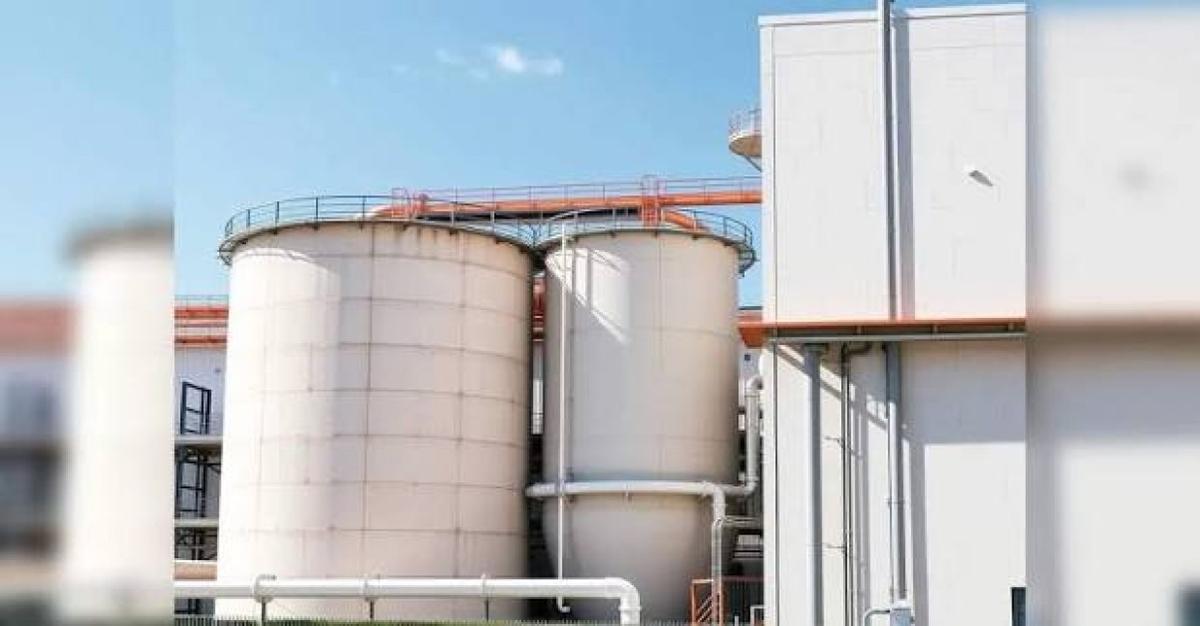
Cabinet’s ₹3,030 Crore BHAVYA-Rasayan Scheme Opens Path for Three Dedicated Chemical Parks
The Union Cabinet has approved the ₹3,030 crore BHAVYA-Rasayan scheme, opening the way for the development of three dedicated chemical parks and providing a fresh policy push to India's chemical manufacturing ecosystem.
The programme is designed to create integrated industrial infrastructure where chemical manufacturers can operate with access to shared facilities, utilities and environmental management systems. By concentrating production within specialised clusters, the government aims to improve competitiveness, strengthen domestic manufacturing and attract investment into one of India's strategically important industrial sectors.
The initiative could also help address infrastructure and environmental challenges that have historically complicated the expansion of chemical manufacturing projects.
Three Dedicated Chemical Parks Planned

A central feature of the BHAVYA-Rasayan scheme is the establishment of three dedicated chemical parks.
Rather than supporting scattered industrial facilities, the cluster-based model can bring manufacturers and supporting businesses together within purpose-built industrial zones.
Such parks can provide common infrastructure including:
-
Effluent treatment facilities
-
Waste management systems
-
Water infrastructure
-
Power supply
-
Storage facilities
-
Internal transportation networks
-
Safety infrastructure
-
Logistics connectivity
Shared infrastructure can lower individual investment requirements while improving compliance and operational efficiency.
₹3,030 Crore Outlay Provides Policy Support
The ₹3,030 crore allocation demonstrates the government's intention to strengthen infrastructure supporting chemical manufacturing.
Chemical projects often require significantly more specialised infrastructure than conventional manufacturing facilities because businesses must manage hazardous materials, industrial waste, water requirements and strict environmental standards.
Government-supported industrial parks can help create infrastructure before individual manufacturers establish production units, reducing some of the barriers associated with greenfield investments.
Scheme Could Attract Private Manufacturing Investment
The government's expenditure represents only one part of the potential economic impact.
Once chemical parks are established, private companies could invest in manufacturing plants, storage facilities, logistics networks and supporting businesses within or around the clusters.
Potential investment areas include:
-
Specialty chemicals
-
Industrial chemicals
-
Performance materials
-
Chemical intermediates
-
Advanced materials
-
Manufacturing services
-
Warehousing
-
Industrial logistics
The eventual scale of private investment will depend on park locations, infrastructure quality, incentives and demand from manufacturers.
India's Chemical Industry Gains Strategic Importance
India's chemical industry supplies critical inputs to a wide range of sectors.
Major customers include pharmaceuticals, agriculture, automobiles, textiles, electronics, construction, consumer products and industrial manufacturing.
As India's manufacturing economy expands, domestic demand for specialised chemical products is also expected to increase.
Building additional production capacity could therefore support both import substitution and export growth.
Cluster Model Could Improve Manufacturing Economics
Industrial clusters can create efficiencies that are difficult for standalone manufacturing facilities to achieve.
Companies located within a specialised chemical park can potentially share expensive infrastructure while benefiting from proximity to suppliers, logistics providers and customers.
The model can also encourage the development of supporting ecosystems involving maintenance companies, laboratories, testing facilities and specialised service providers.
Over time, these networks can improve productivity and make manufacturing locations more attractive to new investors.
Environmental Infrastructure Will Be Critical
Environmental management is likely to be one of the most important aspects of the programme.
Chemical manufacturing requires robust systems for managing industrial effluent, emissions and hazardous waste. Centralised facilities can help manufacturers comply with environmental requirements more efficiently than developing separate infrastructure for every factory.
However, effective monitoring and enforcement will remain essential.
The success of the parks will depend not only on attracting investment but also on ensuring that environmental safeguards are incorporated into their design and daily operations.
Scheme Supports India's Manufacturing Ambitions
The BHAVYA-Rasayan programme fits into India's broader effort to increase the share of manufacturing in the economy and strengthen domestic industrial supply chains.
Specialised industrial parks can support these objectives by improving infrastructure availability and reducing the complexity involved in establishing new manufacturing capacity.
A stronger chemicals ecosystem can also provide domestic manufacturers in downstream industries with more reliable access to critical raw materials.
Employment Opportunities Could Expand
Development of large chemical clusters can generate employment during both construction and operational phases.
Potential employment areas include:
-
Chemical engineering
-
Plant operations
-
Industrial safety
-
Environmental management
-
Logistics
-
Maintenance
-
Quality control
-
Research and development
Indirect employment could also emerge through transportation, warehousing and other supporting services around the industrial parks.
Execution Will Determine the Scheme's Impact
The Cabinet approval provides the policy foundation, but implementation will determine the programme's ultimate economic impact.
Important factors include site selection, land availability, environmental approvals, connectivity and the speed at which common infrastructure is developed.
Coordination between the central government, state governments and private industry will also be important.
Delays in infrastructure development or regulatory approvals could reduce investor interest, while well-executed parks could attract substantial long-term manufacturing commitments.
What Businesses and Investors Should Watch
Chemical manufacturers and investors should closely monitor the selection of locations for the three parks and the detailed implementation framework.
Particular attention should be given to:
-
State participation
-
Infrastructure timelines
-
Government financial assistance
-
Environmental clearance mechanisms
-
Land availability
-
Logistics connectivity
-
Private investment commitments
-
Manufacturing incentives
These factors will influence which companies ultimately choose to establish operations within the parks.
Outlook
The ₹3,030 crore BHAVYA-Rasayan scheme represents a significant attempt to address infrastructure constraints within India's chemical manufacturing sector through dedicated industrial clusters.
If the three parks successfully combine reliable utilities, environmental infrastructure, logistics connectivity and competitive operating costs, they could attract substantial private investment and strengthen India's position in global chemical supply chains.
The longer-term opportunity extends beyond the parks themselves. Successful chemical clusters could support downstream manufacturing, exports, employment and greater localisation of strategically important industrial inputs.
Conclusion
The Cabinet's approval of the ₹3,030 crore BHAVYA-Rasayan scheme creates a new framework for developing three dedicated chemical parks in India. By providing shared industrial and environmental infrastructure, the programme aims to make chemical manufacturing more efficient, competitive and investment-friendly.
Its success will ultimately depend on implementation, including location selection, infrastructure development, environmental safeguards and private-sector participation. If executed effectively, the initiative could become an important component of India's broader strategy to strengthen domestic manufacturing and build globally competitive industrial supply chains.
 ₹3,030 Crore BHAVYA-Rasayan Scheme Clears Three Chemical Parks FAQs
POST A COMMENT (0)
All Comments (0)
Replies (0)