





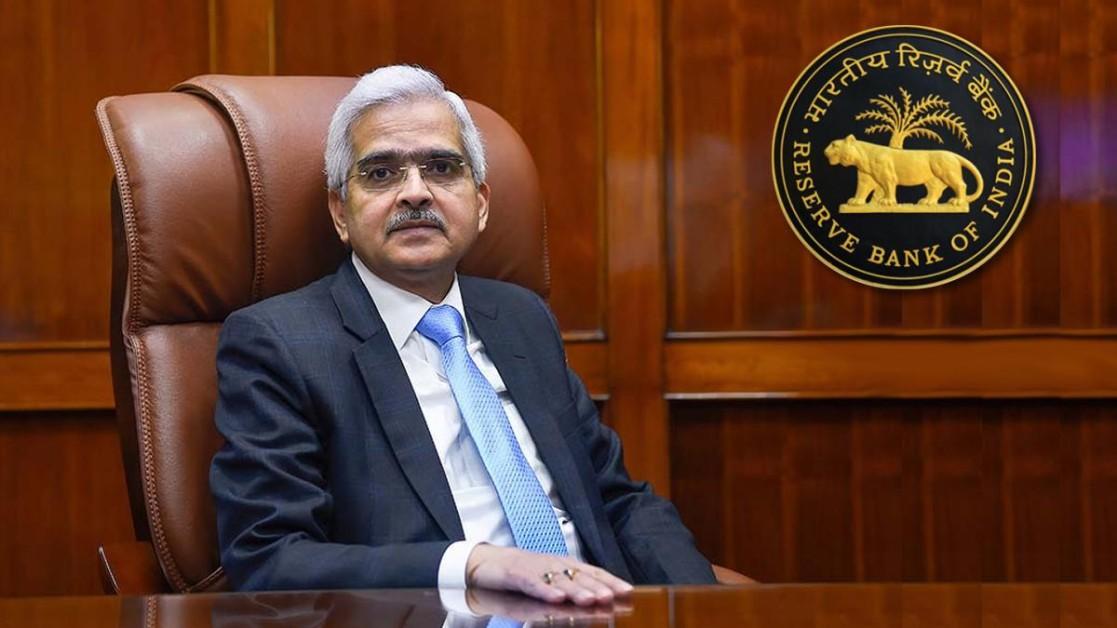
The Reserve Bank of India has introduced a fresh round of tighter regulations for India’s rapidly growing digital-lending ecosystem, aimed at strengthening consumer safety and bringing greater transparency to an industry that has expanded at an unprecedented speed. With millions of borrowers using mobile apps and online platforms for quick loans, the RBI is stepping in to curb misleading practices, hidden charges, aggressive recovery tactics and data misuse.
The revised framework focuses on clear disclosure norms, strict verification procedures and enhanced accountability for fintech platforms as well as the banks and NBFCs backing them. One of the central changes ensures that every loan must be directly disbursed into the borrower’s bank account, eliminating third-party intermediaries that previously enabled fraud and unauthorised deductions. This measure aims to give borrowers more control and prevent predatory practices.
Data privacy is another major pillar of the new guidelines. Digital lenders must now obtain explicit consent before accessing any personal information through smartphones. Unregulated scraping of contacts, photos or device details is strictly prohibited. In addition, apps are required to provide simple, transparent explanations of interest rates, service charges, processing fees and repayment schedules, ensuring that borrowers fully understand what they are signing up for.
The RBI has also tightened norms around loan recovery methods, addressing public concerns about harassment and unethical behaviour. Only authorised recovery agents may contact borrowers, and even then, they must follow RBI’s code of conduct. Calls during odd hours, threatening language and misuse of personal data will invite strict penalties under the new compliance regime.
Another major reform involves the introduction of a clear grievance-redressal system. Every regulated lender must offer a dedicated customer helpline and respond to complaints within a mandated timeframe. This gives borrowers a secure and legitimate channel to resolve issues without falling victim to pressure from unregulated agents or fraudulent entities.
Fintech companies will now face stricter audits, operational guidelines and reporting mechanisms. Platforms found violating the rules risk losing their ability to operate, reflecting the RBI’s intent to protect users while allowing responsible innovation. The goal is to build a digital-lending ecosystem that is fast, convenient and technology-driven but also safe, ethical and transparent.
Analysts believe these new regulations will strengthen public trust in digital lending at a time when online credit is becoming central to India’s financial landscape. By tightening oversight and promoting accountability, the RBI aims to ensure that borrowers benefit from digital convenience without compromising on privacy, fairness or security.
 Related News
POST A COMMENT (0)
All Comments (0)
Replies (0)