





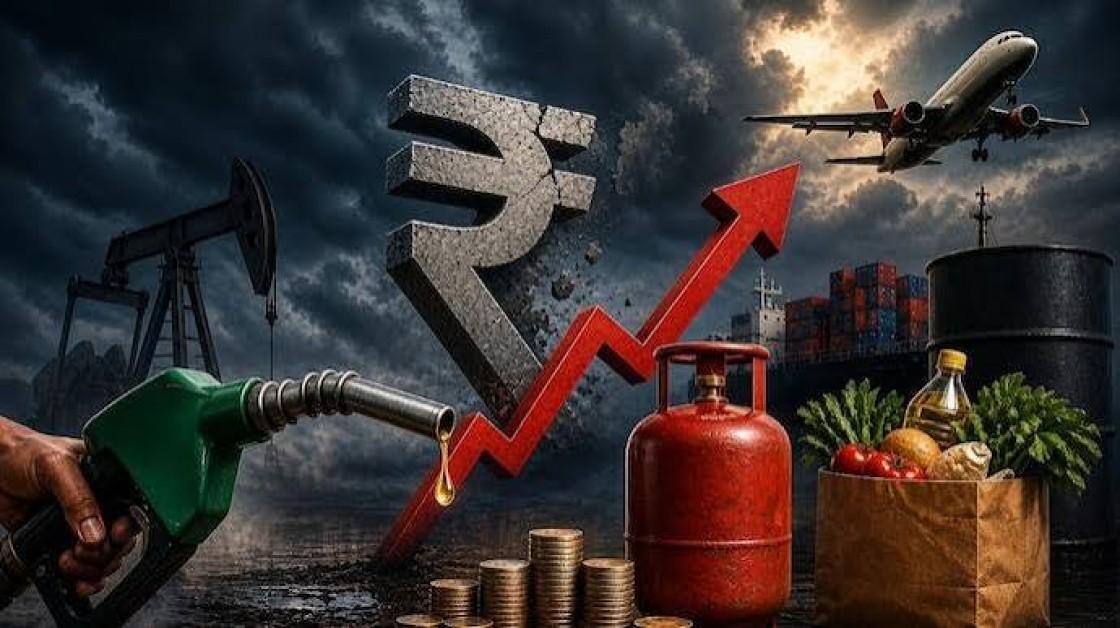
High Oil Prices Raise Inflation Concerns for Indian Economy Amid Global Energy Volatility
Rising global crude oil prices are increasing inflation concerns for the Indian economy as policymakers, businesses, and investors closely monitor developments in international energy markets. Higher oil prices have the potential to influence fuel costs, transportation expenses, manufacturing input prices, and overall consumer inflation.
As one of the world's largest crude oil importers, India remains sensitive to fluctuations in global energy prices. Sustained increases in crude oil costs can affect household spending, corporate profitability, government finances, and broader economic growth.
Why Oil Prices Matter for India

India imports a significant share of its crude oil requirements, making international oil prices an important driver of domestic economic conditions.
Higher crude prices can result in:
- Increased fuel import costs
- Higher transportation expenses
- Rising production costs
- Pressure on the Indian rupee
- Increased inflation expectations
- Higher logistics costs
- Greater burden on energy-intensive industries
These factors can collectively influence overall economic activity.
Inflation Risks
One of the primary concerns associated with rising oil prices is higher inflation.
Increasing fuel costs may contribute to higher prices across multiple sectors because transportation and logistics are essential components of the supply chain.
Industries likely to feel the impact include:
- Consumer goods
- Manufacturing
- Agriculture
- Aviation
- Logistics
- Construction
- Retail
- Food distribution
Persistent inflation can affect consumer purchasing power and business operating costs.
Impact on Businesses
Higher energy prices can increase operating expenses for companies across several industries.
Businesses may experience:
- Rising input costs
- Lower profit margins
- Higher transportation expenses
- Increased production costs
- Pressure on pricing strategies
- Reduced operational efficiency in energy-intensive sectors
Companies with strong cost management and pricing power may be better positioned to manage these challenges.
Effect on Consumers
Consumers may experience the impact of elevated oil prices through:
- Higher fuel expenses
- Increased transportation costs
- Rising prices of everyday goods
- More expensive travel
- Higher household expenditure
The overall effect depends on the duration of elevated crude oil prices and broader inflation trends.
Government and RBI Focus
Policymakers continue to monitor developments in global energy markets and assess their implications for inflation and economic stability.
Key areas of focus include:
- Inflation management
- Energy security
- Supply stability
- Fiscal planning
- Currency stability
- Economic growth
- Financial market conditions
The Reserve Bank of India and the government remain attentive to evolving macroeconomic conditions while evaluating appropriate policy responses.
Impact on Financial Markets
Higher crude oil prices can also influence investor sentiment.
Market participants are monitoring:
- Inflation expectations
- Interest rate outlook
- Corporate earnings
- Currency movements
- Foreign investment flows
- Equity market performance
Energy price trends often play an important role in shaping financial market behaviour.
Long-Term Energy Transition
India continues to pursue long-term strategies to reduce dependence on imported fossil fuels.
These initiatives include:
- Expanding renewable energy
- Encouraging electric mobility
- Increasing domestic energy production
- Investing in alternative fuels
- Improving energy efficiency
- Strengthening energy infrastructure
These measures aim to improve energy security and reduce vulnerability to global oil price fluctuations over time.
What Investors Should Watch
Investors and businesses are expected to monitor:
- Global crude oil prices
- Inflation data
- RBI policy decisions
- Rupee movements
- Government energy policies
- Corporate earnings
- Geopolitical developments
- International supply conditions
These factors are likely to influence economic and market expectations in the months ahead.
Outlook
The Indian economy continues to demonstrate resilience despite external challenges. However, sustained increases in global crude oil prices could keep inflation elevated and increase pressure on businesses, consumers, and policymakers.
Continued investments in energy diversification, infrastructure, and domestic economic growth are expected to strengthen India's ability to manage future commodity price shocks.
Conclusion
High global oil prices remain an important macroeconomic risk for India, with implications for inflation, fuel costs, business operations, and consumer spending. While elevated crude prices may create short-term challenges, India's strong economic fundamentals, proactive policy measures, and long-term energy transition initiatives are expected to support resilience. Businesses and investors will continue to closely monitor developments in global energy markets and domestic policy responses.
 High Oil Prices Raise Inflation Concerns for Indian Economy FAQs
POST A COMMENT (0)
All Comments (0)
Replies (0)