





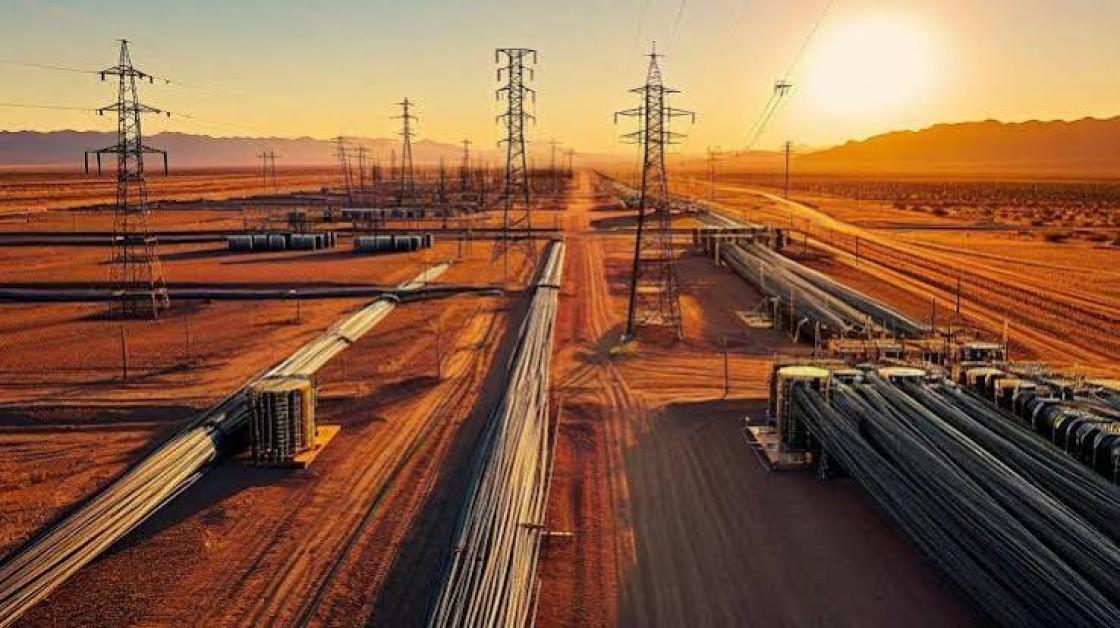
RailTel Corporation Holds Annual General Meeting on August 20
RailTel Corporation of India is holding its Annual General Meeting on August 20, 2026, giving shareholders an opportunity to review the public-sector telecom and digital-infrastructure company's FY26 performance, governance and future growth priorities.
The meeting comes at a time when RailTel is expanding beyond its traditional railway communications role into broader digital infrastructure, managed services, data centres, enterprise connectivity, government technology projects and broadband networks.
For investors, the AGM is therefore likely to focus not only on historical financial performance but also on the company's ability to convert its extensive national fibre network and public-sector relationships into sustained commercial growth.
RailTel Operates One of India’s Largest Fibre Networks

RailTel was originally created to modernise the telecommunications infrastructure of Indian Railways.
Over time, the company developed a large optical-fibre network extending across railway routes and major population centres.
That network remains one of its most important strategic assets.
Railway Rights-of-Way Create Infrastructure Advantage
Telecom companies need physical routes through which fibre can be deployed.
Railway corridors provide a nationwide network connecting cities, towns and industrial regions.
RailTel's access to this infrastructure gives it a strong backbone for communications services.
The value extends far beyond railway operations.
The same fibre can support enterprise connectivity, government networks and broadband services.
AGM Places FY26 Performance Under Shareholder Review
Annual general meetings allow shareholders to consider audited accounts and other statutory matters.
For RailTel, FY26 performance is particularly important because the company has been participating in a growing number of government and enterprise digital projects.
Project Execution Determines Revenue Conversion
Winning orders is only the first stage.
RailTel needs to execute contracts on schedule.
Revenue is generally recognised as projects progress.
Delays can therefore push income into future quarters.
Investors increasingly focus on both order intake and execution quality.
A large order book creates visibility only when projects are delivered efficiently.
Government Digitalisation Remains Major Growth Driver
India's public sector continues investing heavily in digital infrastructure.
Government organisations require:
secure networks,
cloud services,
data centres,
cybersecurity,
digital classrooms,
and connectivity.
RailTel participates in several of these areas.
Public-Sector Relationships Provide Opportunity
RailTel's government ownership and experience handling large public-sector projects can provide an advantage when bidding for mission-critical infrastructure.
Government customers often require vendors capable of operating at national scale.
RailTel's railway network and existing institutional relationships can therefore support future project wins.
Enterprise Business Expands Beyond Railways
RailTel increasingly serves customers outside Indian Railways.
These can include:
government departments,
public-sector enterprises,
banks,
educational institutions,
and private companies.
Diversification Reduces Customer Concentration
Dependence on one customer creates risk.
A broader enterprise portfolio provides more diversified revenue.
It also allows RailTel to monetise the same infrastructure across multiple users.
This can improve return on network investment.
Broadband Remains Important Business Segment
RailTel also participates in broadband connectivity.
Its RailWire network extends internet services through local partners.
Local Partnerships Expand Reach
Building direct retail operations in every town would require enormous expenditure.
Using local service providers allows RailTel to extend broadband without operating every last-mile connection itself.
This model can reduce capital intensity.
It can also support broadband expansion into smaller cities and underserved regions.
Bharat’s Fixed Broadband Demand Continues to Rise
Households and businesses increasingly depend on reliable internet.
Demand is driven by:
streaming,
remote work,
online education,
cloud applications,
and digital payments.
Fibre Provides Long-Term Capacity
Mobile networks are important, but fixed fibre can deliver high and consistent bandwidth to homes and enterprises.
As data consumption rises, fibre infrastructure becomes increasingly valuable.
RailTel's existing backbone gives it a strategic position in this environment.
Data Centres Are Becoming Larger Opportunity
India's data-centre market is expanding rapidly.
Cloud computing, AI, enterprise digitalisation and data-localisation requirements are creating demand for additional capacity.
RailTel has been increasing its focus on data-centre and related digital services.
Connectivity and Data Centres Work Together
A data centre needs strong network connections.
RailTel already owns extensive fibre infrastructure.
Combining connectivity with hosting services can create an integrated offering.
Customers can purchase both network access and computing infrastructure from the same provider.
This can increase revenue per customer.
Managed Services Can Improve Revenue Quality
Traditional telecom connectivity can become price competitive.
Managed services provide another layer of value.
These can include:
network management,
security,
cloud support,
and infrastructure monitoring.
Services Create Recurring Revenue
Project revenue can fluctuate significantly from quarter to quarter.
Managed-service contracts can generate more predictable income over multiple years.
That improves revenue visibility.
It can also deepen customer relationships.
RailTel's long-term strategy increasingly depends on building these higher-value service layers around its core network.
Cybersecurity Becomes Critical
Government and enterprise networks carry sensitive data.
Cybersecurity is therefore no longer optional.
Digital Infrastructure Needs Constant Protection
Threats can include:
ransomware,
data theft,
network disruption,
and unauthorised access.
Customers increasingly expect telecom and IT providers to include security within their service offering.
RailTel's ability to build credible cybersecurity capability can therefore influence future contract wins.
Smart Infrastructure Creates Additional Market
Cities, transport networks and public institutions are becoming more digitally connected.
RailTel can participate in projects involving:
surveillance,
Wi-Fi,
command centres,
and digital public infrastructure.
Network Backbone Enables Multiple Applications
Once connectivity exists, additional services can be layered on top.
A city network can support cameras, traffic systems and public internet.
This creates a multiplier effect from infrastructure investment.
RailTel's role can therefore extend from simple connectivity provider to broader systems integrator.
Indian Railways Remains Core Strategic Customer
Despite diversification, RailTel's relationship with Indian Railways remains fundamental.
Railways require extensive communication systems for:
operations,
signalling support,
passenger services,
and internal administration.
Modern Railways Depend on Digital Networks
Railway systems increasingly use data for monitoring and control.
High-quality communications infrastructure supports both safety and efficiency.
RailTel is therefore positioned within a long-term modernisation cycle across India's rail network.
Station Wi-Fi Strengthens Public-Facing Presence
RailTel has played a major role in deploying Wi-Fi across railway stations.
This created one of the most visible public applications of its network.
Passenger Connectivity Supports Digital Inclusion
Railway stations serve millions of people.
Providing connectivity can support:
communication,
payments,
travel information,
and digital services.
The project also demonstrated RailTel's ability to execute connectivity deployments at large scale.
Order Book Quality Matters More Than Headline Size
Infrastructure companies frequently highlight large order books.
Investors need to look deeper.
Margins Vary by Project
A ₹1,000 crore contract can generate very different profitability depending on:
hardware requirements,
subcontracting,
implementation complexity,
and service content.
High-margin managed services can be more valuable than low-margin equipment-heavy projects.
RailTel therefore needs to maintain discipline when bidding for contracts.
Competitive Bidding Can Pressure Margins
Government technology contracts often use competitive tendering.
Multiple vendors may bid aggressively.
Winning Every Contract Is Not Desirable
A company can grow revenue while damaging profitability if it bids too low.
Strong project selection is therefore important.
Management needs to balance growth with acceptable return on capital.
Investors should monitor whether margins remain stable as order volumes expand.
Working Capital Is Important for Project Business
Large government contracts can involve delays between spending and receiving payment.
This creates working-capital requirements.
Receivables Can Tie Up Cash
A company may purchase equipment and pay subcontractors before receiving customer payments.
Revenue can therefore grow while cash flow remains weak.
Investors need to examine:
receivables,
cash generation,
and payment cycles.
Healthy operating cash flow provides stronger evidence that reported profits are converting into real financial value.
PSU Status Provides Advantages and Constraints
RailTel is a public-sector company.
This can provide institutional credibility.
It can also influence decision-making and capital allocation.
Government Linkage Can Support Large Projects
Public-sector customers may value a vendor with government backing and a long operating history.
This can improve confidence in critical infrastructure contracts.
However, PSU companies also face scrutiny around procurement, governance and efficiency.
Operational discipline therefore remains important.
Dividend Policy Attracts Shareholder Interest
Public-sector companies are often evaluated partly on dividends.
A mature infrastructure business can return excess cash to shareholders when capital requirements permit.
Growth Competes With Payouts
RailTel also needs money for:
network expansion,
technology,
data centres,
and new projects.
Management therefore needs to balance dividends with reinvestment.
The correct mix depends on the returns available from future projects.
Government Capex Supports Digital Infrastructure
India continues investing heavily in railways and digital systems.
This creates a favourable macro environment for RailTel.
Public Infrastructure Spending Generates Contracts
Rail modernisation, public Wi-Fi, smart systems and digital government initiatives all require connectivity.
RailTel's challenge is converting this spending environment into profitable contracts rather than simply larger revenue.
Execution remains the key differentiator.
AI Infrastructure Could Create Future Opportunity
Artificial intelligence is increasing demand for data centres and high-speed connectivity.
Training and operating AI systems require large amounts of computing and network capacity.
Fibre Is Essential to AI Ecosystem
Data centres need fast connections to users and other computing facilities.
RailTel's nationwide fibre infrastructure could become increasingly valuable as India's AI and cloud markets expand.
The company could benefit indirectly even without developing AI models itself.
Edge Computing Could Strengthen Network Value
Not every computing workload needs to be processed in one central data centre.
Some applications benefit from being closer to users.
Distributed Infrastructure Reduces Latency
Edge facilities can support:
video,
industrial systems,
smart cities,
and real-time applications.
RailTel's geographic network could potentially support distributed computing locations.
This creates another route for monetising connectivity assets.
5G and Fibre Are Complementary
Mobile 5G networks receive significant attention, but fibre remains essential behind them.
Wireless Networks Need Backhaul
A mobile tower ultimately needs to connect to the wider network.
Fibre provides high-capacity backhaul.
As 5G traffic increases, telecom operators need more robust connections between towers and core networks.
RailTel's fibre assets can therefore remain relevant even in a wireless-first consumer environment.
Rural Connectivity Remains Long-Term Opportunity
India's digital expansion increasingly extends beyond major cities.
Smaller towns and rural areas require better broadband.
Railway Network Reaches Deep Into India
Rail corridors pass through many regions outside metropolitan centres.
This gives RailTel infrastructure in locations where commercial telecom expansion can otherwise be difficult.
Partnership-based broadband can use this footprint to extend digital access.
Digital Education Can Create New Contracts
Schools and universities increasingly need reliable connectivity and digital systems.
RailTel has participated in education-related technology projects.
Education Is Becoming Infrastructure Market
Modern institutions need:
campus networks,
smart classrooms,
cloud platforms,
and secure internet.
Government education programmes can therefore become meaningful technology contracts.
These projects also align with RailTel's public-sector capabilities.
Banking and Financial Services Offer Enterprise Demand
Banks need highly secure and reliable networks.
Branches, ATMs and digital systems need continuous connectivity.
Financial Networks Value Reliability
Downtime can directly disrupt transactions.
This gives enterprise telecom providers an opportunity to charge for quality and resilience.
RailTel can compete for such customers through managed connectivity and security services.
Competition Remains Strong
RailTel operates against large telecom companies and IT service providers.
Competitors can include private firms with substantial technology resources.
Differentiation Is Necessary
RailTel's advantages include:
railway fibre,
government relationships,
nationwide reach,
and PSU credibility.
Private competitors may have advantages in sales flexibility, international partnerships and product innovation.
Success therefore depends on using infrastructure advantages without becoming complacent.
Technology Cycles Require Continuous Investment
Telecom infrastructure becomes outdated.
Speeds increase.
Security standards change.
Customers demand more automation.
Network Assets Need Upgrades
Owning fibre alone does not guarantee competitiveness.
Electronics, routing systems and software need regular improvement.
RailTel therefore needs disciplined capital expenditure to ensure its network remains commercially relevant.
Investor Focus Will Shift Toward FY27 Execution
The AGM reviews FY26, but investors will increasingly focus on the current financial year.
Important indicators include:
new order wins,
project execution,
revenue growth,
operating margins,
receivables,
and cash flow.
Consistency Matters
Project businesses can produce uneven quarterly results.
One strong quarter may simply reflect milestone-based revenue recognition.
Multi-quarter trends provide a better picture of underlying performance.
Investors will therefore look for sustained execution rather than isolated spikes.
Governance Remains Important AGM Theme
The annual meeting also provides shareholders with formal oversight.
Board composition, auditor matters and financial reporting all contribute to confidence.
Infrastructure Companies Need Strong Controls
Large projects involve:
procurement,
subcontractors,
payments,
and multiple government customers.
Weak internal controls can create financial and reputational risks.
Strong governance therefore directly supports long-term business quality.
RailTel’s Strategic Story Is Evolving
The company is no longer only a railway telecom utility.
It increasingly operates as a broader digital infrastructure and IT-services platform.
That transition creates greater opportunity.
It also creates more complexity.
Management needs to allocate capital across several businesses without diluting focus.
Conclusion
RailTel Corporation's Annual General Meeting on August 20, 2026, gives shareholders an opportunity to assess a company moving steadily beyond its traditional role inside Indian Railways toward a broader digital-infrastructure business.
Its nationwide fibre network remains the foundation.
But future growth increasingly depends on how effectively RailTel monetises that infrastructure through enterprise connectivity, broadband, data centres, managed services and government digital projects.
India's continued investment in railways, cloud infrastructure, public-sector digitalisation and high-speed connectivity creates a favourable operating environment.
However, opportunity alone does not guarantee shareholder returns.
Execution, project margins, working-capital discipline, cash generation and technology investment will determine whether RailTel can convert its expanding order pipeline into sustainable profitability.
The central question around the AGM is therefore not simply how RailTel performed in FY26, but whether the company can use its unique infrastructure position to become a larger and more profitable participant in India's rapidly expanding digital economy.
 RailTel Corporation Holds AGM on August 20 as FY26 Performance Comes Into Focus FAQs
POST A COMMENT (0)
All Comments (0)
Replies (0)