





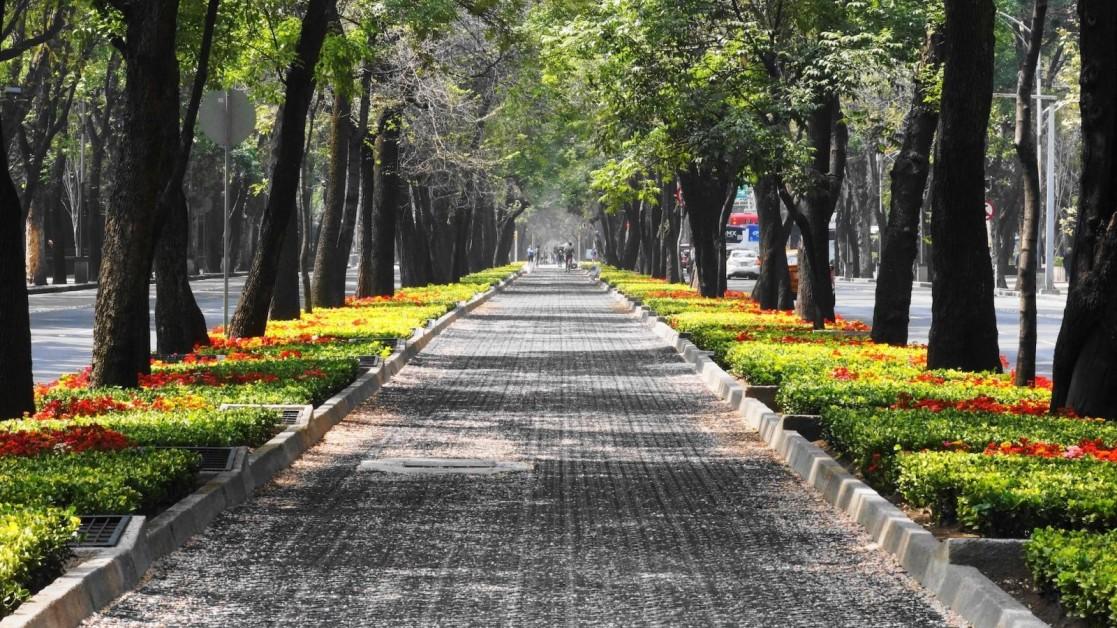
Urban Forests: The Green Revolution Happening Inside Our Cities
As cities grow taller, denser, and more complex, a quiet but powerful transformation is taking root among the concrete and steel—urban forests. From rooftop gardens and tree-lined boulevards to massive reforestation efforts in metropolitan areas, urban forestry is rapidly becoming a cornerstone of sustainable development in the 21st century.
The idea is simple: infuse cities with nature. But the impact is profound—from combating climate change to reducing mental stress, urban forests are proving to be far more than just aesthetic additions.
What Are Urban Forests?
Urban forests consist of all the trees, shrubs, and vegetation located in and around cities. This includes parks, green belts, roadside plantations, vertical gardens, and even backyard trees. Together, these elements form an ecological network that enhances the urban environment both environmentally and socially.
From Milan’s Vertical Forest towers to New York City’s MillionTreesNYC initiative, the urban forest movement is growing worldwide.
The Benefits: More Than Just Greenery
Urban forests offer a wide range of benefits:
-
Climate Regulation: Trees reduce the urban heat island effect by cooling city air through shade and evapotranspiration.
-
Air Purification: Urban vegetation helps filter harmful pollutants like nitrogen dioxide and particulate matter.
-
Water Management: Tree roots absorb rainwater, reducing the risk of flooding and improving water quality.
-
Biodiversity: Green spaces serve as mini-ecosystems, supporting birds, insects, and even small mammals in urban areas.
-
Mental Health: Proximity to green areas has been linked to lower levels of stress, anxiety, and depression.
A 2024 World Bank study found that residents living near urban forests experience 15–20% better air quality and a 30% higher self-reported well-being index compared to those in non-vegetated neighborhoods.
Why Now? The Urgency Behind the Movement
With climate change, urban sprawl, and rising mental health crises becoming global challenges, cities are under pressure to become more livable and resilient. Urban forests provide a multi-layered solution—one that addresses environmental, health, and infrastructural concerns in a single stroke.
In 2023 alone, extreme heat waves in Europe and Asia claimed thousands of lives, highlighting the urgent need for heat mitigation strategies. Trees are natural air conditioners. Just one mature tree can cool the surrounding air by up to 5°C, making green infrastructure a cost-effective alternative to high-energy cooling systems.
Innovations in Urban Forestry
-
Vertical Forests: These are high-rise buildings covered with trees and plants, designed to maximize greenery in dense areas. Milan, Singapore, and Nanjing are leading this vertical revolution.
-
Urban Tree Canopy Maps: Using satellite data and AI, cities like Los Angeles and London are now mapping their green cover to strategically plant new trees where they are needed most.
-
Smart Irrigation Systems: IoT and sensor-based systems are helping urban forests thrive with minimal water use.
-
Community Forest Projects: Local citizens are being involved in tree-planting drives and urban gardening to create a sense of ownership and awareness.
Challenges to Growth
Despite the enthusiasm, urban forests face numerous obstacles:
-
Space limitations in high-density areas
-
High maintenance costs for large urban greening projects
-
Poor soil conditions due to construction and pollution
-
Invasive species and disease outbreaks threatening tree health
To overcome these, governments are partnering with architects, ecologists, and citizens. Grants, zoning laws, and urban masterplans are now incorporating green mandates for new developments.
Global Examples of Success
-
Milan, Italy: The Bosco Verticale towers are home to over 900 trees and 20,000 plants.
-
Singapore: Dubbed the “City in a Garden,” it integrates green into nearly every layer of urban planning.
-
New York City, USA: Has planted over a million trees since 2007 through public-private partnerships.
-
Freiburg, Germany: A model eco-city with extensive forest coverage and green public transport.
Conclusion: The Future Is Greener
Urban forests are not just a trend—they are a crucial strategy for survival in an increasingly urbanized world. They represent the intersection of sustainability, health, and innovation. As cities continue to expand, the call to “rewild” our urban landscapes grows louder.
The green revolution in our cities is not about returning to the past—it’s about reimagining the future. One tree, one park, and one green rooftop at a time.
 More Articles for ENVIRONMENT/NATURE
 6.5-mag quake hits Mexico; 2 dead, 500+ aftershocks. Sheinbaum's presser halted by sirens.
POST A COMMENT (0)
All Comments (0)
Replies (0)