





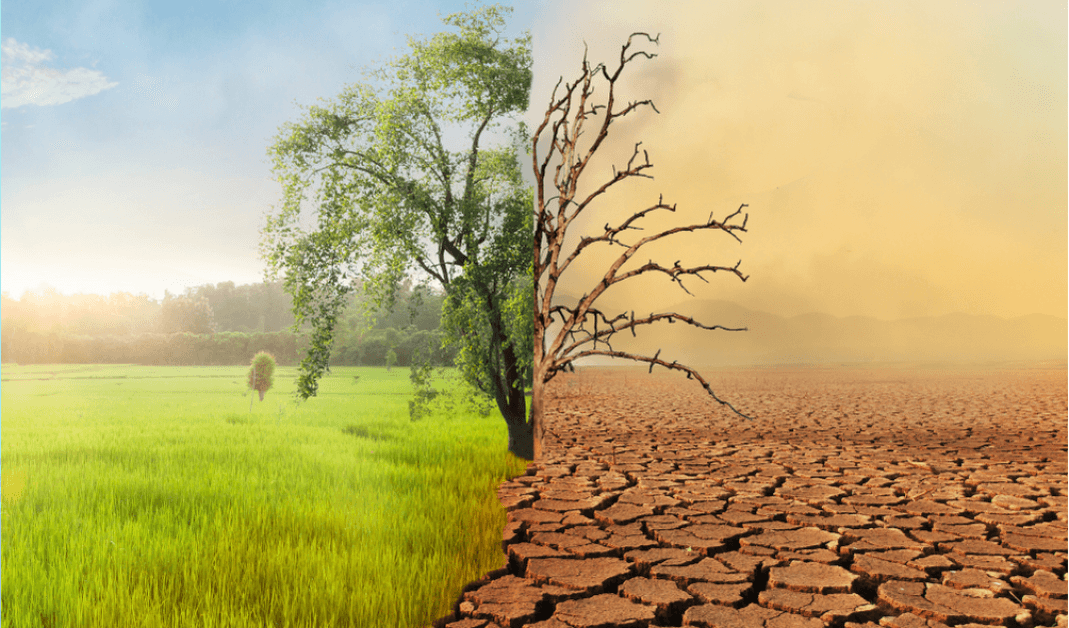
Simple Lifestyle Changes That Can Help Fight Climate Change in 2025
Climate change is no longer a distant threat—it's a daily reality. From rising temperatures to extreme weather events, the consequences are being felt across the globe. While large-scale policies and innovations are essential, individual lifestyle choices play a powerful role in reducing environmental impact.
Here are practical and simple changes you can make in 2025 to contribute to climate action—right from your home, work, and community.
1. Reduce Meat and Dairy Consumption
Livestock farming is one of the leading contributors to methane emissions and deforestation. You don’t need to go vegan, but reducing your intake of red meat and dairy just a few times a week can have a significant environmental impact.
What to do:
-
Try plant-based meals twice a week
-
Choose alternatives like oat milk or almond milk
-
Support local plant-based brands
2. Choose Public Transport or Micromobility
Transportation is a major source of carbon emissions. Shifting away from private petrol or diesel vehicles can drastically cut your carbon footprint.
What to do:
-
Use metro, bus, or train for your commute
-
Walk or use bicycles and electric scooters for short distances
-
Carpool with coworkers or neighbors
3. Conserve Energy at Home
Most homes waste electricity through standby power, poor insulation, and outdated appliances.
What to do:
-
Switch to LED lights and energy-efficient appliances
-
Unplug electronics when not in use
-
Use fans instead of AC where possible
-
Invest in solar panels if feasible
4. Cut Down on Single-Use Plastics
Plastics are non-biodegradable and pollute oceans, landfills, and air when burned.
What to do:
-
Carry reusable bags, bottles, and containers
-
Avoid packaged goods whenever possible
-
Support plastic-free brands and shops
5. Buy Less, Buy Better
Consumer culture is a hidden driver of carbon emissions through fast fashion, over-packaged products, and unnecessary electronics.
What to do:
-
Invest in quality items that last longer
-
Repair instead of replacing items quickly
-
Avoid impulsive online shopping
6. Recycle and Compost Responsibly
Proper waste management helps reduce methane from landfills and improves soil health.
What to do:
-
Separate wet and dry waste
-
Compost kitchen scraps
-
Recycle paper, plastic, metal, and glass according to local guidelines
7. Use Water Wisely
Water processing and pumping use a surprising amount of energy. Conserving water means conserving energy too.
What to do:
-
Turn off taps while brushing teeth
-
Fix leaking pipes immediately
-
Collect and use rainwater for gardening
8. Go Digital When Possible
Digital tools reduce paper use, save energy from transport, and minimize waste.
What to do:
-
Choose e-bills and e-books
-
Use cloud storage instead of printing
-
Avoid unnecessary online orders with heavy packaging
9. Plant Trees and Support Urban Greenery
Trees absorb carbon dioxide and reduce urban heat. Supporting local green initiatives has both personal and community benefits.
What to do:
-
Plant trees in your locality or terrace
-
Volunteer for green drives or fund tree-planting efforts
-
Support parks and green infrastructure in urban planning
10. Speak Up and Influence Others
Individual change is powerful—but collective action is transformational. Share your choices, inspire others, and advocate for sustainable policies.
What to do:
-
Share eco-friendly tips on social media
-
Educate your family and workplace about sustainable habits
-
Support businesses and politicians that prioritize climate action
Conclusion: Your Daily Choices Matter
Climate change may be a global issue, but its solutions start with individuals. By adopting even a few of these lifestyle changes, you can significantly reduce your carbon footprint and become part of the movement for a healthier planet.
In 2025, sustainable living is not just a trend—it’s a necessity. Let your everyday choices become climate-conscious decisions.
 More Articles for ENVIRONMENT/NATURE
 6.5-mag quake hits Mexico; 2 dead, 500+ aftershocks. Sheinbaum's presser halted by sirens.
POST A COMMENT (0)
All Comments (0)
Replies (0)