





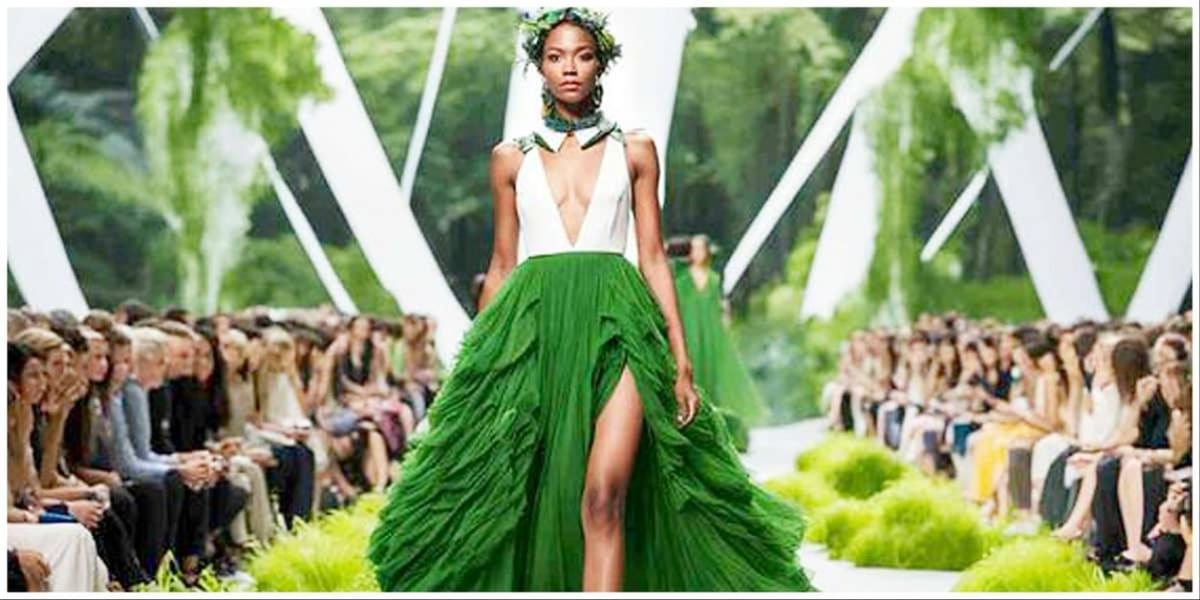
Climate-Conscious Couture: The Rise of Eco-Fashion on the Global Runway
Once seen as a niche trend, eco-fashion has taken center stage. In 2025, the most prestigious runways—from Paris to Tokyo—are spotlighting climate-conscious couture, where sustainability is as important as style. The fashion industry, long criticized for its environmental footprint, is undergoing a transformative shift, driven by consumer demand, climate urgency, and creative innovation.
Welcome to the age of green glamour, where recycled fabrics, zero-waste designs, and ethical supply chains are defining what it means to be truly fashionable.
The Fashion Industry’s Environmental Reckoning
The fashion world contributes up to 10% of global carbon emissions, and is one of the largest consumers of water and producers of textile waste. Fast fashion, in particular, has fueled a cycle of overproduction, overconsumption, and environmental degradation.
Now, the industry is waking up. Climate-conscious couture is the high-end answer to this crisis, proving that sustainability doesn’t mean sacrificing luxury or creativity—it means redefining it.
Sustainable Fashion Takes the Runway
In 2025, major fashion weeks have introduced entire categories dedicated to eco-fashion:
-
Paris Fashion Week now features a “Green Gala” segment, showcasing carbon-neutral collections.
-
London Fashion Week partnered with the UN’s Fashion Charter to enforce sustainable practices.
-
New York’s Climate Couture Collective featured biodegradable fabrics and plant-dyed garments.
-
Milan’s EcoLab introduced AI-assisted designs that minimize waste and optimize material use.
Designers like Stella McCartney, Gabriela Hearst, and India’s Anita Dongre are leading the way with collections that are not only chic but certifiably sustainable.
What Makes Couture Climate-Conscious?
Eco-fashion isn’t just about using organic cotton or bamboo—it’s about rethinking the entire lifecycle of a garment. Key principles include:
-
Sustainable Materials: Organic cotton, hemp, Tencel, recycled polyester, mushroom leather, pineapple fiber, and lab-grown textiles.
-
Low-Waste Design: Zero-waste patterns, 3D knitting, and modular clothing that reduces scraps.
-
Ethical Production: Fair labor practices, local sourcing, and transparent supply chains.
-
Slow Fashion Philosophy: Timeless pieces over trend-chasing, built to last and be repaired.
-
Circular Fashion: Encouraging resale, upcycling, and take-back programs for used clothing.
The “Make less, mean more” philosophy is gaining ground, urging consumers and brands alike to treat garments as investments, not disposables.
Technology Meets Sustainability
The rise of eco-fashion is also being powered by tech:
-
Blockchain ensures traceability of materials from source to shelf.
-
AI and machine learning help forecast demand, reducing overproduction.
-
Biotechnology is creating new materials—like spider silk and algae-based fabrics—that are biodegradable yet durable.
-
3D design software reduces the need for physical prototypes, cutting emissions.
Brands like Patagonia, Eileen Fisher, and Pangaia are embracing these innovations at scale, while luxury houses like Gucci and Burberry are pledging carbon neutrality across their collections.
The Conscious Consumer Revolution
Behind this shift is a powerful driver: the climate-conscious consumer. Gen Z and Millennial shoppers are more likely to support brands that align with their values, and fashion is no exception.
A 2024 report by McKinsey found that:
-
73% of Gen Z buyers prefer brands with sustainable practices.
-
62% of consumers globally are willing to pay more for eco-conscious fashion.
-
“Greenwashing” backlash is pushing brands to back up claims with real action.
Social media, too, is amplifying sustainable fashion voices. Hashtags like #WhoMadeMyClothes, #SustainableStyle, and #BuyLessChooseWell are empowering digital activism and transparency.
Challenges and the Road Ahead
While the shift to climate-conscious couture is inspiring, it isn’t without challenges:
-
High costs of sustainable materials
-
Complexity in auditing global supply chains
-
Limited scalability for artisanal methods
-
Risk of greenwashing and vague sustainability claims
However, collaborations between governments, NGOs, and private firms are working toward standardizing certifications, promoting textile innovation, and providing support to ethical brands.
Conclusion: A New Fashion Era Begins
In 2025, fashion is not just about what you wear—it’s about what your clothes stand for. Climate-conscious couture has moved from the fringe to the forefront, proving that elegance and ethics can walk the runway together.
As the world faces unprecedented climate challenges, the fashion industry has the power—and the responsibility—to lead with vision, creativity, and conscience.
This is not a trend. It’s a movement.
And the future of fashion?
It’s green.
 Related News
POST A COMMENT (0)
All Comments (0)
Replies (0)