





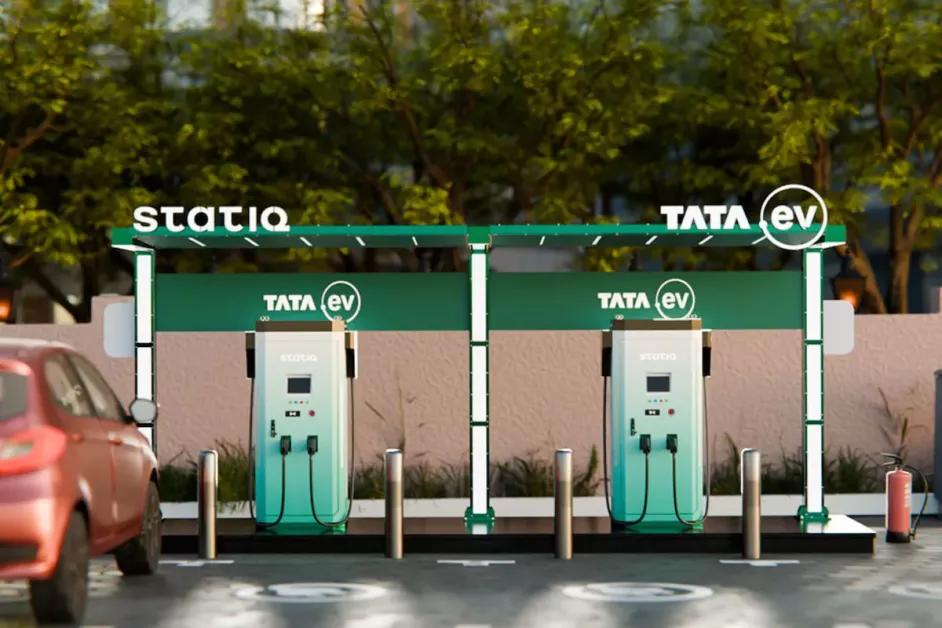
EV Charging Network Expansion Boosts Adoption in Metro Cities
Rapid infrastructure rollout strengthens EV ecosystem and reduces range anxiety for urban commuters
Mumbai, December 29, 2025: India’s electric mobility transition is gaining significant momentum as major metropolitan cities witness rapid expansion of EV charging infrastructure. New installations across Delhi, Mumbai, Bengaluru, Chennai, Pune, and Hyderabad are making electric vehicles more accessible to daily commuters, fleet operators, and private owners, helping accelerate national adoption goals.
The expansion covers highway corridors, commercial hubs, residential complexes, and public transport terminals, creating a charging ecosystem designed to reduce range anxiety — a key barrier that has historically slowed EV acceptance. In many metro areas, the number of publicly accessible charging stations has doubled within the past year, creating uninterrupted routes for intra-city and inter-city travel.
A senior official from India’s Ministry of Heavy Industries commented, “Urban charging capacity is essential to build EV confidence. As infrastructure grows at scale, consumers feel empowered to choose electric mobility without worrying about availability or travel limitations.”
Infrastructure Growth Strengthens Urban Mobility
Infrastructure development is currently being driven by public-private partnerships, energy utilities, automotive manufacturers, and technology providers. Charging stations are now integrated into:
-
metro stations, bus depots, and railway parking zones
-
commercial office districts and shopping malls
-
fuel stations and highway rest stops
-
gated residential communities and rental housing clusters
Industry data shows increasing preference for fast-charging models capable of powering vehicles within 30–60 minutes, making EVs more suitable for high-frequency urban usage and ride-sharing fleets.
Fleet Electrification Pushes Demand
Ride-hailing platforms, logistics companies, and last-mile delivery operators have emerged as major contributors to EV growth in metros. Fleet electrification, combined with accessible charging networks, is expected to reduce operating costs and enable lower emissions in congested urban centers.
An EV infrastructure analyst noted, “Charging expansion and fleet electrification are complementary forces. As more charging points become available, operators scale their electric fleets faster, creating a cycle that reinforces adoption.”
Supporting Sustainable Urban Planning
Metro cities are integrating EV charging into long-term sustainable mobility planning. Municipal bodies are coordinating with infrastructure developers to align charging locations with smart-city initiatives, renewable energy grids, and low-emission transport zones.
Solar-powered charging hubs are being piloted to support clean energy utilization, ensuring EV expansion contributes to emission reduction targets rather than shifting demand to fossil-fuel power.
Impact on Consumers and Market Growth
The availability of dense charging networks has encouraged first-time EV buyers and accelerated upgrades among early adopters. Sales indicators from dealerships in major metros show consistent growth in demand for both four-wheelers and two-wheelers, supported by improved confidence in charging reliability.
With more charging options available, EV resale values are increasing, and insurance providers are offering tailored policies to support sustained market growth.
Outlook for 2026
Experts predict that charging density in metros could increase threefold over the next two years as infrastructure investments scale further. Upcoming initiatives are expected to focus on:
-
ultra-fast charging networks along highways
-
curbside charging in commercial districts
-
battery-swapping integration for two-wheelers
-
micro-grid powered stations for sustainability
-
interoperable payment and charging standards
The continued expansion is expected to position India’s metro cities as leaders in electric mobility transformation across Asia.
About India’s EV Infrastructure Initiative
India’s EV infrastructure development is supported by national and state-level policies encouraging clean mobility adoption, renewable energy integration, and digital charging services. The initiative aims to promote sustainable urban development while strengthening global competitiveness in green transportation.
 More Articles for Energy & Environment
 India’s carbon trading platform records its first large-scale industrial participation.
POST A COMMENT (0)
All Comments (0)
Replies (0)