





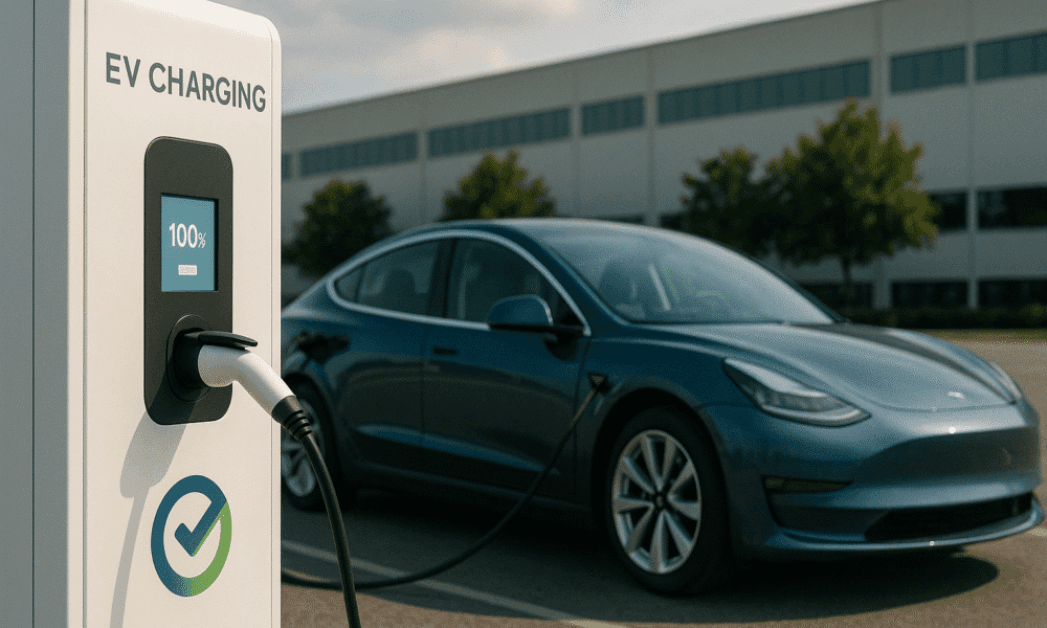
India’s electric-vehicle market has reached a major turning point as EV sales crossed 3 million units, officially making India the fastest-growing EV market in Asia. This milestone highlights a dramatic shift in the country’s mobility landscape, driven by a surge in consumer demand, strong government incentives and rapid expansion of the charging-infrastructure ecosystem. What began as a niche sector has now transformed into one of the country’s most dynamic industries, shaping the future of transportation.
The bulk of the growth continues to come from electric two-wheelers and three-wheelers, which dominate Indian roads and appeal to cost-conscious consumers seeking affordable, low-maintenance mobility options. Fleet and delivery companies have also accelerated bulk EV adoption, recognising the long-term cost savings and sustainability benefits. At the same time, electric cars and buses are slowly gaining momentum as cities expand green-mobility programmes and state governments push for cleaner public transport.
Multiple policy measures have played a crucial role in this rapid adoption. Subsidies under schemes like FAME-II, state-level incentives, reduced GST rates and lower EV-loan interest policies have significantly reduced entry barriers. As a result, EVs have become financially competitive with fuel-based vehicles, especially in daily urban commuting. In parallel, automakers have launched a wider range of models, improved battery performance and increased localisation of components, bringing down costs and strengthening domestic supply chains.
Charging infrastructure has also grown faster than expected, with thousands of new stations coming up across highways, metro cities and Tier-2 regions. Private partnerships, energy companies and start-ups are investing heavily in fast-charging and battery-swapping networks to make EV ownership more convenient. This improved accessibility has boosted consumer confidence, encouraging more first-time buyers to transition to electric mobility.
Industry analysts say that crossing 3 million units is not just a numerical achievement but a signal that India is entering a high-growth EV phase. Demand trends indicate even faster adoption in the coming years as technology becomes more efficient, prices fall further and awareness increases. With major manufacturers expanding capacity and new players entering the market, the EV sector is set for exponential growth.
India’s leap ahead of other Asian markets underscores the country’s ambition to become a global leader in clean mobility. By reducing oil dependency, lowering emissions and creating new manufacturing jobs, the EV revolution is becoming a pillar of India’s economic and environmental future. If current trends continue, India may soon become one of the world’s largest EV markets, reshaping how millions move every day.
 Related News
POST A COMMENT (0)
All Comments (0)
Replies (0)