





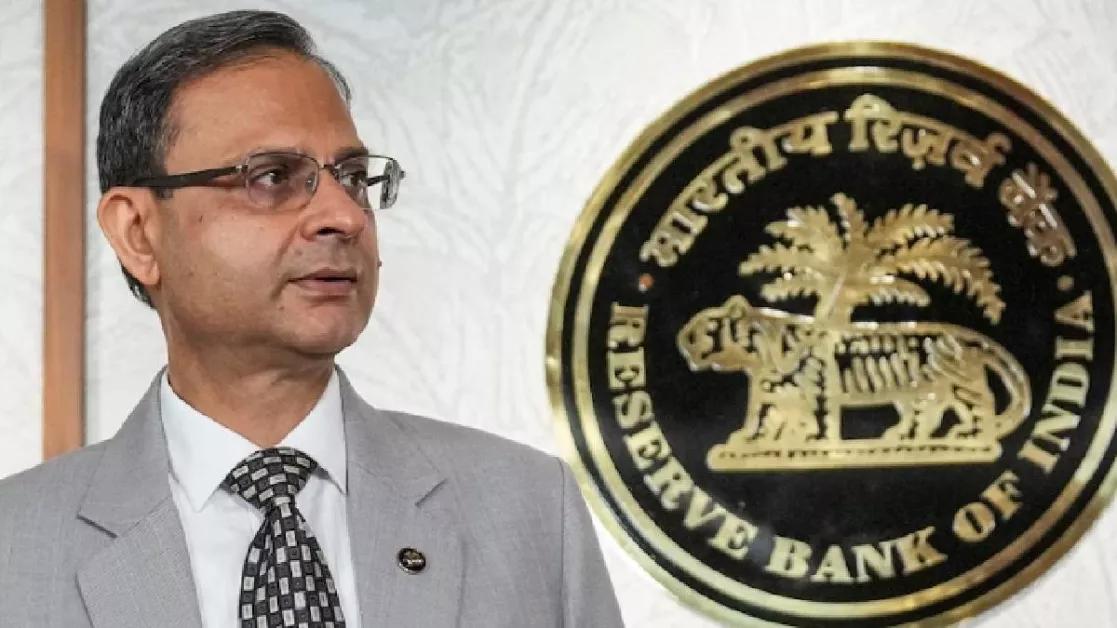
The Reserve Bank of India has signaled a gradual and calibrated withdrawal of excess liquidity support from the financial system as inflationary pressures show signs of easing. This move marks an important shift in the central bank’s policy approach, reflecting growing confidence in macroeconomic stability while maintaining caution to avoid disrupting economic growth.
Over the past few years, the RBI has maintained ample liquidity conditions to support economic recovery following global disruptions, supply chain shocks, and periods of elevated inflation. Through various liquidity measures, including long-term repo operations, variable rate repos, and open market operations, the central bank ensured sufficient funds in the banking system to sustain credit growth and financial stability.
With inflation now moderating closer to the RBI’s target range, policymakers believe that extraordinary liquidity support may no longer be necessary at previous levels. Recent data indicates that headline inflation has eased due to a combination of stable food prices, easing commodity costs, and effective monetary policy transmission. This has created room for the RBI to begin normalizing liquidity conditions without jeopardizing price stability.
The central bank has emphasized that the withdrawal of liquidity will be gradual rather than abrupt. This approach aims to prevent sudden tightening of financial conditions that could strain banks, businesses, or consumers. By allowing liquidity to adjust in a phased manner, the RBI intends to maintain orderly market conditions and ensure that credit flows to productive sectors of the economy remain uninterrupted.
Banking system liquidity has remained in surplus for an extended period, supporting strong loan growth across retail, corporate, and MSME segments. However, prolonged excess liquidity can sometimes lead to mispricing of risk and inefficient capital allocation. The RBI’s move is therefore also aimed at improving monetary policy effectiveness and reinforcing financial discipline within the system.
Market participants have interpreted the RBI’s signal as a step toward broader policy normalization rather than a shift to aggressive tightening. Interest rates are expected to remain stable in the near term, with the focus remaining on managing liquidity rather than changing the policy rate. This distinction is crucial, as it reassures investors and borrowers that growth-supportive conditions will continue even as excess liquidity is gradually withdrawn.
For banks, the change implies a more balanced liquidity environment. While funding costs may edge up marginally, improved credit demand and healthier balance sheets are expected to offset any near-term impact. Financial institutions are likely to become more selective in lending, prioritizing credit quality and sustainable growth over aggressive expansion.
From a macroeconomic perspective, the RBI’s stance reflects confidence in India’s economic resilience. Strong domestic demand, improved corporate profitability, and steady government capital expenditure have supported growth momentum. By carefully managing liquidity, the central bank aims to anchor inflation expectations while supporting long-term economic stability.
The move also aligns India’s monetary stance with evolving global conditions. As major central banks worldwide recalibrate their policies in response to changing inflation dynamics, the RBI’s cautious approach helps shield the Indian economy from external volatility. A measured withdrawal of liquidity reduces vulnerability to sudden capital flow reversals and currency pressures.
For investors, the RBI’s signal underscores the importance of focusing on fundamentals rather than short-term liquidity-driven rallies. Equity and bond markets may experience periods of adjustment as liquidity conditions normalize, but long-term prospects remain supported by structural growth drivers and policy stability.
Economists believe that the success of this transition will depend on inflation trends, global financial conditions, and domestic growth indicators. If inflation continues to ease and growth remains robust, the RBI is expected to proceed steadily with liquidity normalization while retaining flexibility to respond to unforeseen shocks.
Overall, the RBI’s decision to signal a gradual withdrawal of liquidity support represents a careful balancing act. It reflects the central bank’s commitment to price stability, financial discipline, and sustainable growth. By avoiding abrupt moves and maintaining clear communication, the RBI aims to guide the economy through the next phase of monetary normalization with stability and confidence.
 Related News
POST A COMMENT (0)
All Comments (0)
Replies (0)