





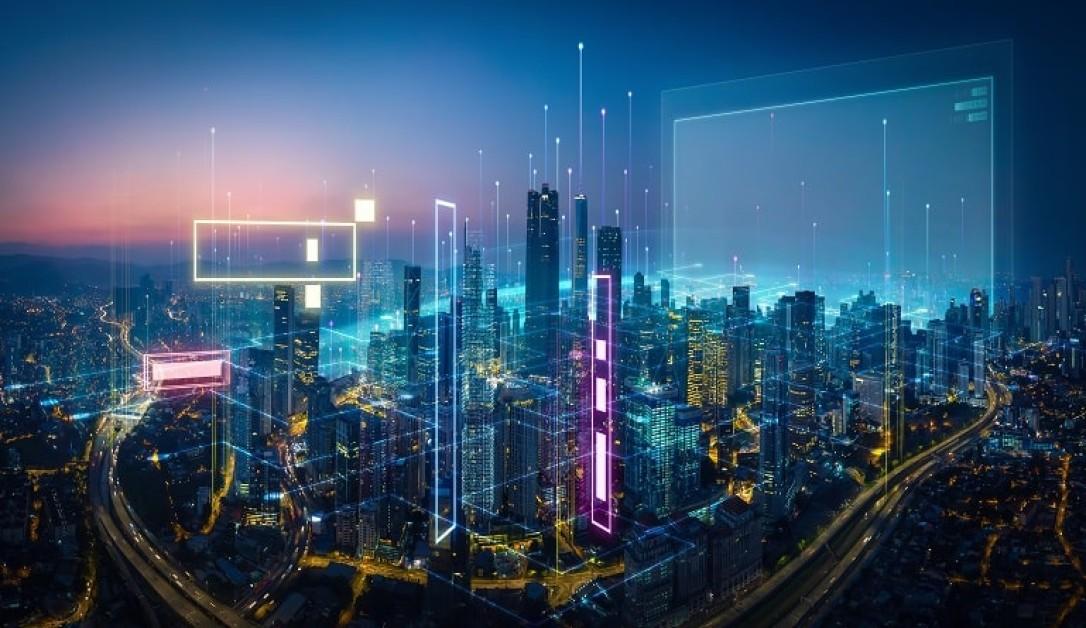
The global urban economy is entering one of the most transformative periods in modern history. As governments accelerate investments in intelligent infrastructure, digital ecosystems, and sustainable urban planning, smart cities are rapidly becoming the backbone of future economic development. In 2026, the conversation around urban modernization is no longer limited to technology adoption or public convenience. It is now deeply connected to GDP growth, investment flows, industrial competitiveness, employment generation, and national economic resilience.
Smart cities and their economic impact are becoming central to policy discussions across Asia, Europe, the Middle East, and North America. Countries are increasingly viewing intelligent urban ecosystems as long-term economic assets capable of improving productivity, attracting global capital, strengthening digital commerce, and enhancing operational efficiency across industries. The race toward next-generation urban economies is intensifying as cities compete to become global hubs for innovation, sustainability, and technological leadership.
According to industry estimates, the global smart city market is expected to cross multi-trillion-dollar valuations over the next decade. Rapid urbanization, combined with advancements in Artificial Intelligence, Internet of Things infrastructure, cloud computing, and renewable energy systems, is accelerating this transition at an unprecedented pace. Governments are allocating record infrastructure budgets to support digital governance systems, smart mobility networks, AI-powered public services, and energy-efficient urban development models.
The transformation is already visible across several global cities. Singapore continues to lead in digital governance and intelligent infrastructure efficiency. Saudi Arabia’s ambitious NEOM project is redefining futuristic urban planning with AI-managed ecosystems and zero-emission mobility systems. India’s Smart Cities Mission is reshaping urban infrastructure through large-scale investments in transportation, digital connectivity, surveillance systems, and public utility modernization. China, meanwhile, continues expanding state-backed smart infrastructure deployment at unmatched scale.
The economic implications of these developments extend far beyond physical infrastructure. Smart cities create interconnected ecosystems where transportation, healthcare, education, logistics, utilities, finance, retail, and governance operate through synchronized digital systems. This interconnected framework significantly improves productivity while reducing inefficiencies that historically burdened urban economies.
Artificial Intelligence is becoming one of the most important technologies driving this transformation. Cities are increasingly deploying AI-driven systems to optimize traffic management, monitor public safety, manage utilities, reduce energy wastage, and improve emergency response times. Market analysts suggest that AI integration into urban management systems can reduce operational inefficiencies significantly while improving long-term economic productivity.
Transportation infrastructure is also undergoing a major transformation. Smart mobility systems, including autonomous vehicles, integrated public transit networks, AI-powered traffic signals, electric vehicle charging ecosystems, and intelligent parking systems, are redefining how urban economies function. Traffic congestion has historically imposed enormous economic costs on major cities through lost productivity, increased fuel consumption, and supply chain delays. Intelligent mobility solutions are now helping cities reduce those losses while improving logistics efficiency.
Blockchain technology is emerging as another powerful component of smart urban ecosystems. Governments and municipal authorities are exploring blockchain-integrated governance systems to improve transparency, reduce corruption risks, streamline land records, modernize taxation systems, and enhance digital identity verification. Blockchain-powered governance models are especially relevant for developing economies where administrative inefficiencies have historically slowed urban growth.
The private sector is one of the biggest beneficiaries of the smart city boom. Technology firms, semiconductor companies, telecom providers, cloud computing giants, cybersecurity companies, and renewable energy corporations are witnessing growing demand for solutions linked to intelligent infrastructure. Smart cities are creating one of the largest infrastructure-driven technology markets globally, attracting long-term investments from institutional funds and multinational corporations.
Real estate markets are also being reshaped by intelligent urban development. Properties located near smart transit corridors, AI-enabled business districts, renewable energy infrastructure zones, and connected commercial hubs are experiencing rising investor demand. Developers are increasingly marketing intelligent residential and commercial ecosystems as premium assets, particularly in high-growth urban regions.
Startup ecosystems are flourishing within smart city environments as well. Urban innovation sectors such as ClimateTech, MobilityTech, PropTech, CivicTech, HealthTech, and logistics automation are attracting venture capital funding and entrepreneurial talent. Smart cities provide startups with digitally integrated environments where technology adoption is faster, infrastructure is more efficient, and market scalability becomes easier.
Government spending continues to be the primary driver behind the expansion of smart urban infrastructure. Countries across the world are increasing investments in digital governance systems, renewable energy infrastructure, urban surveillance networks, smart mobility corridors, and integrated communication systems. Policymakers increasingly recognize that digital infrastructure is now as strategically important as highways, airports, and ports were during earlier industrial growth phases.
Regulatory reforms are evolving alongside these investments. Governments are introducing new urban digitization frameworks, green infrastructure incentives, electric vehicle subsidies, public-private partnership models, and cybersecurity regulations to support smart city expansion. These policy shifts are encouraging institutional investors and infrastructure funds to participate more aggressively in intelligent urban development projects.
However, the rapid expansion of smart city ecosystems is also creating major policy challenges. Data governance has become a critical issue as cities collect enormous amounts of citizen information through surveillance systems, connected devices, digital payment platforms, and public service applications. Concerns around privacy, cybersecurity, surveillance ethics, and data sovereignty are intensifying globally.
Cybersecurity threats represent one of the biggest risks facing connected urban infrastructure. Power grids, transportation systems, healthcare networks, and communication platforms are becoming increasingly interconnected, making them potential targets for cyberattacks. Governments are therefore investing heavily in cyber resilience frameworks to protect critical urban infrastructure systems.
Privacy concerns are equally significant. The expansion of facial recognition systems, predictive policing tools, behavioral analytics, and real-time surveillance networks has triggered global debates around civil liberties and ethical governance. Critics argue that excessive surveillance could compromise individual freedoms if regulatory safeguards are not properly implemented.
Economic inequality is another emerging challenge. Experts warn that smart city investments could unintentionally widen urban inequality gaps if development remains concentrated in high-tech economic zones while underdeveloped regions continue lagging behind. Inclusive urban planning is therefore becoming essential to ensure that smart infrastructure benefits broader populations rather than select economic segments.
Despite these concerns, the economic potential of smart cities remains enormous. According to recent industry reports, intelligent infrastructure systems can reduce energy consumption substantially, improve traffic efficiency, lower administrative costs through automation, and reduce resource wastage. These operational savings contribute directly to long-term economic productivity.
Employment generation is another major economic advantage linked to smart city growth. The expansion of intelligent infrastructure ecosystems is creating demand for professionals across sectors including Artificial Intelligence, renewable energy, data science, cloud computing, cybersecurity, construction technology, urban analytics, and digital governance. Millions of future jobs are expected to emerge from connected urban economies over the coming decade.
Global investors are increasingly viewing smart city infrastructure as a long-term strategic investment opportunity. Pension funds, sovereign wealth funds, infrastructure investment firms, and institutional capital groups are actively exploring investments in renewable energy systems, urban mobility infrastructure, digital connectivity networks, and AI-driven public systems. Long-duration infrastructure assets linked to smart cities are increasingly considered resilient and future-oriented investment vehicles.
The future of urban economies will likely be shaped by AI-native ecosystems where systems continuously optimize themselves using predictive intelligence. Future smart cities may autonomously manage traffic patterns, energy distribution, water systems, public transportation, and emergency services with minimal human intervention. This level of automation could dramatically improve economic efficiency while reducing operational costs.
Green infrastructure is expected to become one of the defining pillars of future smart cities. Climate concerns are accelerating investments in renewable energy integration, electric transportation systems, carbon-neutral construction, smart waste management, and sustainable urban mobility solutions. Sustainability is no longer viewed as separate from economic growth. Instead, it is becoming deeply integrated into long-term urban economic strategies.
Competition between cities is also intensifying. Cities are increasingly positioning themselves as global economic brands competing for foreign investment, multinational corporations, startup ecosystems, and skilled talent. Infrastructure quality, digital connectivity, sustainability performance, and governance efficiency are becoming major factors influencing economic competitiveness.
The cities that successfully integrate technology, sustainability, governance, and inclusivity are likely to dominate the future global economy. Urban centers capable of attracting high-value industries, digital commerce ecosystems, innovation hubs, and international investors will emerge as the economic powerhouses of the next generation.
Smart cities and their economic impact are therefore no longer futuristic concepts. They represent one of the most significant structural transformations shaping global economic systems in 2026 and beyond. The convergence of Artificial Intelligence, renewable energy, blockchain governance, intelligent mobility systems, and connected digital infrastructure is fundamentally redefining how economies operate, compete, and grow.
For governments, smart cities offer long-term productivity gains and improved operational efficiency. For businesses, they create enormous opportunities across infrastructure, technology, mobility, renewable energy, and digital services. For investors, they represent one of the largest emerging infrastructure asset classes globally. For citizens, they promise improved public services, better mobility, cleaner environments, and more connected lifestyles.
The transition, however, requires careful management. Policymakers must balance innovation with privacy protection, technological expansion with cybersecurity resilience, and economic growth with social inclusivity. The ability to achieve this balance will determine which cities emerge as dominant economic leaders in the decades ahead.
As the race toward intelligent urban economies accelerates, one reality is becoming increasingly clear: smart cities are not merely transforming infrastructure. They are redefining the future architecture of global economic power itself.
 Related News
POST A COMMENT (0)
All Comments (0)
Replies (0)