





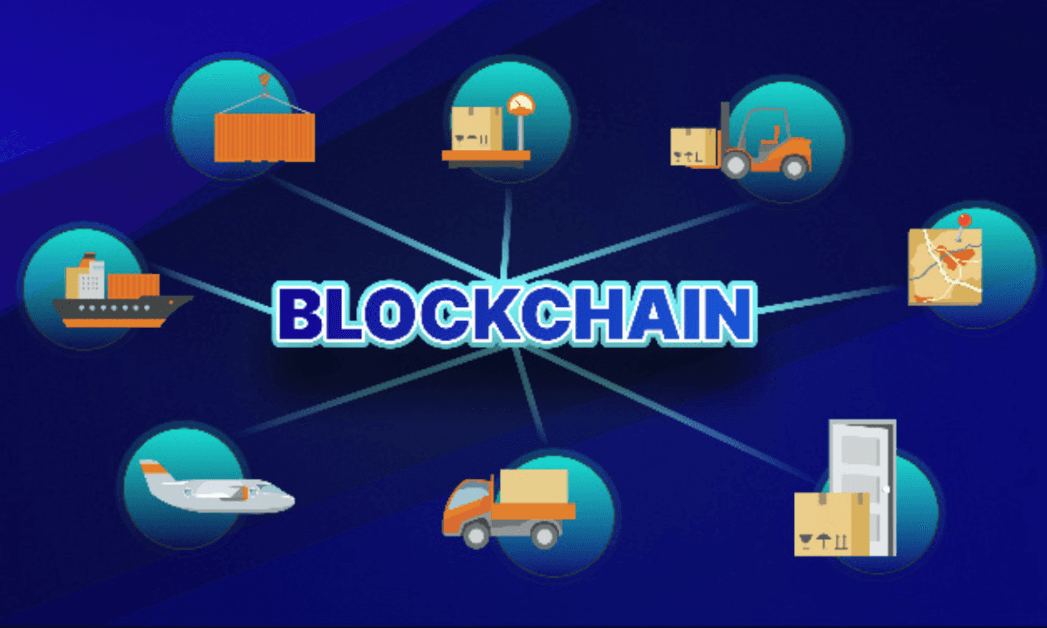
Blockchain technology is rapidly reshaping global supply chains by providing unprecedented levels of transparency, traceability, and efficiency. In 2025, businesses across industries are adopting blockchain to address challenges such as counterfeiting, delays, fraud, and lack of visibility. By creating a decentralized, tamper-proof record of every transaction and movement, blockchain is emerging as the backbone of modern supply chain management.
At its core, blockchain is a distributed ledger that records every transaction securely and immutably. In the context of supply chains, each stage of a product’s journey—from raw material sourcing to production, transportation, and delivery—can be documented on the blockchain. This enables all stakeholders, including manufacturers, suppliers, distributors, and consumers, to verify the authenticity, origin, and status of products in real time.
Traceability is one of the most significant benefits of blockchain in supply chains. Consumers increasingly demand transparency about the origins of goods, particularly in industries such as food, pharmaceuticals, and luxury products. Blockchain provides a verifiable record that cannot be altered, ensuring that products are authentic and ethically sourced. This also helps companies comply with regulatory standards and reduce reputational risks.
Efficiency is another critical advantage. Traditional supply chains often rely on manual record-keeping, paper documentation, and siloed systems, leading to delays and errors. Blockchain automates record-keeping through smart contracts, which execute predefined actions automatically when conditions are met. This reduces administrative costs, speeds up transactions, and minimizes the potential for human error or fraud.
Collaboration between stakeholders is enhanced by blockchain. Since the ledger is decentralized, all parties have access to the same verified information simultaneously. Suppliers, logistics providers, manufacturers, and retailers can coordinate more effectively, reducing miscommunication and ensuring timely deliveries. Disputes over payments, shipments, or product quality can be resolved quickly with transparent and immutable records.
Security is a crucial factor in modern supply chains, which are vulnerable to cyberattacks, fraud, and counterfeit goods. Blockchain’s cryptographic structure protects data integrity, ensuring that records cannot be altered or tampered with. This creates a trustworthy system where companies and consumers can confidently verify the movement and authenticity of goods at every stage.
Several industries are already experiencing the impact of blockchain on supply chains. In food and agriculture, blockchain enables tracking of produce from farm to table, ensuring freshness, quality, and regulatory compliance. In pharmaceuticals, it helps prevent counterfeit medicines and ensures safe distribution. In manufacturing and logistics, blockchain provides end-to-end visibility, automates processes, and enhances efficiency.
Challenges remain, including the cost of implementation, integration with legacy systems, and the need for standardization across industries. However, ongoing advancements in blockchain technology, partnerships between private companies and governments, and increasing global adoption are overcoming these hurdles.
In conclusion, blockchain is becoming the backbone of global supply chains in 2025 by providing transparency, efficiency, and security. Its ability to create verifiable, immutable records enhances trust, reduces risks, and streamlines operations across complex networks. As adoption grows, blockchain will continue to transform the logistics landscape, creating supply chains that are more resilient, accountable, and adaptable to the demands of the modern global economy.
 Related News
POST A COMMENT (0)
All Comments (0)
Replies (0)