





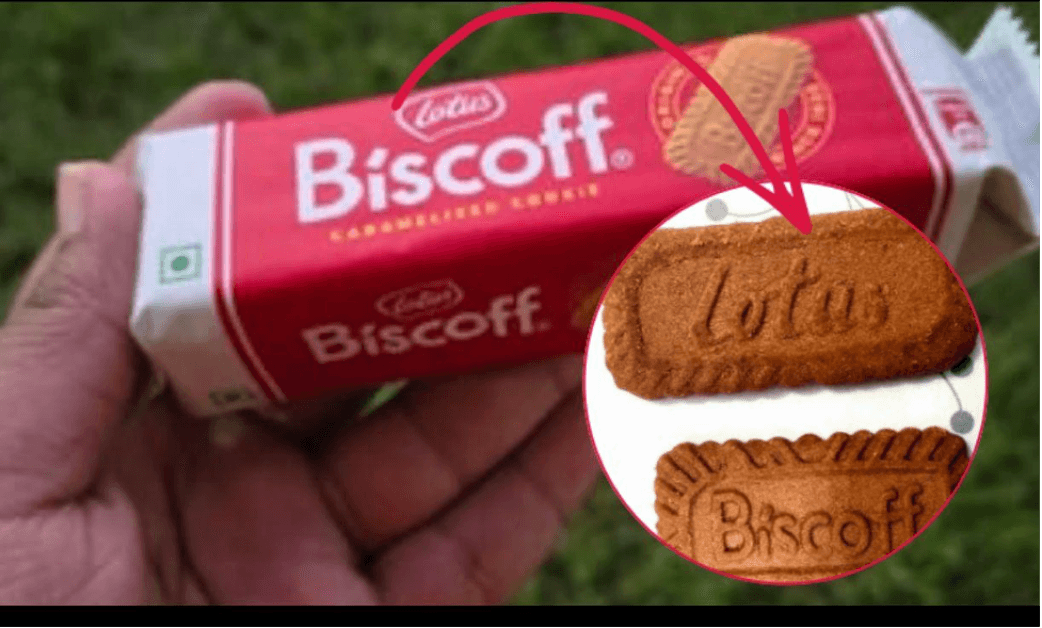
When a Global Favourite Comes Home: Why India Is Asking a New Question About Biscoff
| Special Report
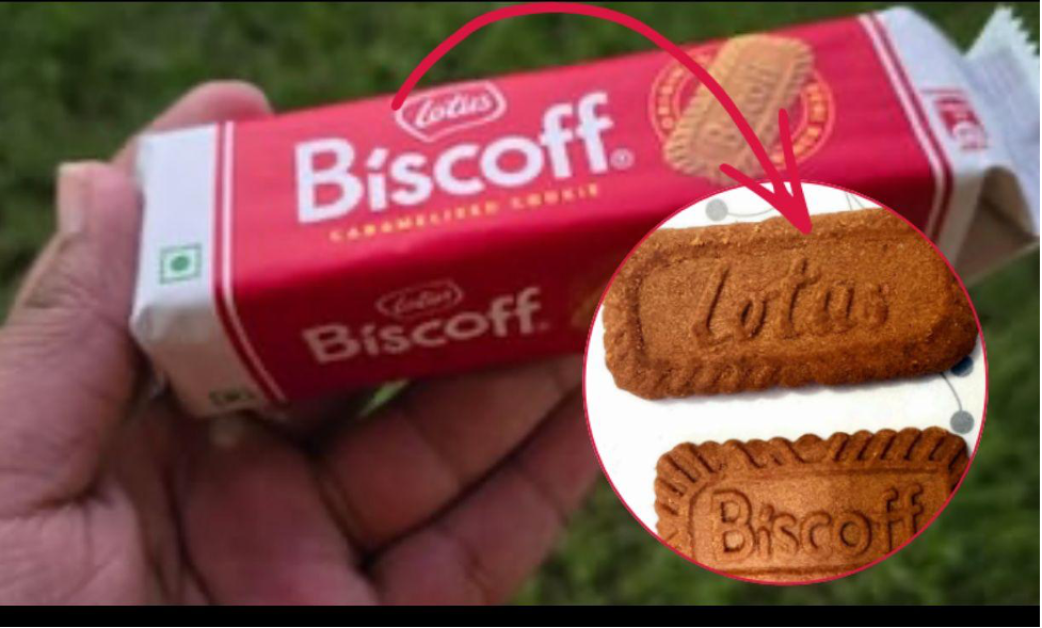
For nearly a decade, Biscoff in India was not something you discovered casually in a supermarket aisle. It arrived wrapped in stories and suitcases. A cousin returning from Europe. A friend flying back from Dubai. A rare visit to a premium import store where the price itself signalled indulgence. Opening a pack felt intentional. Sharing it felt selective.
Biscoff wasn’t just a biscuit. It was a moment.
The caramelised aroma, the deep crunch, the almost dessert-like richness made it stand apart from everyday snacks. You didn’t eat it absent-mindedly. You experienced it. And that emotional memory is precisely why Biscoff’s official entry into the Indian market generated such anticipation. The promise was simple but powerful: wider access, same experience.
What followed has quietly become one of India’s most intriguing consumer conversations.
As Biscoff began appearing across Indian retail shelves and online platforms, social media noticed something almost immediately. Not outrage. Not celebration either. Curiosity. Long-time fans those who had tasted the imported version began sharing a similar observation: the Indian Biscoff felt different.
Not dramatically. Not enough to shock. But enough to feel.
Some said the caramel notes didn’t linger as long. Others felt the richness was softer, the crunch lighter. Individually, these comments might have faded away. Together, they formed a pattern. A shared experience repeated across reels, comment sections, and late-night conversations.
What makes this moment significant is that it isn’t built on nostalgia alone. Many consumers have tasted both versions imported and Indian side by side. Their conclusions, shared independently, echo one another: the Biscoff they remember and the Biscoff they now buy are not quite the same.
This dialogue gained further weight when respected food and lifestyle creators added their voices. Mumbai-based artist and creator Nikhil, Sarvesh Shrivastava, Chinmay, Sanjay Arora, and baking-focused page Mini Crumbs each shared thoughtful reactions after comparing versions. Their tone wasn’t accusatory. It was reflective. They asked questions instead of making claims. Has localisation changed the flavour? Do ingredient sources differ? Is affordability influencing formulation?
In today’s digital-first India, credibility is earned over time. When creators known for honest reviews arrive at similar conclusions independently, the conversation moves beyond opinion. It becomes collective experience.
Pricing plays a quiet but critical role in this shift. Globally, Biscoff has always occupied a premium space. In India, its entry-level pricing has been positioned lower to reach a wider audience a sound business decision in a market defined by scale. But psychology matters. When a product moves from “special treat” to “everyday option,” expectations change.
For long-time fans, Biscoff was never meant to be routine. It was indulgence. And when indulgence becomes accessible, consumers subconsciously ask: has something been traded off?
This is where the conversation moves beyond taste and into trust.
Indian consumers today are not just price-sensitive; they are value-aware. They understand economies of scale. They know localisation is normal. But they are also quick to sense dilution real or perceived. The concern isn’t that Biscoff adapted for India. Many global brands thrive by doing exactly that. The concern is whether the adaptation altered what people fell in love with in the first place.
Packaging adds another layer. The Indian Biscoff closely mirrors the global visual identity same colours, same branding, same promise of continuity. The message is clear: this is the Biscoff you know. When the sensory experience doesn’t fully match that expectation, the gap becomes part of the story consumers tell each other.
What’s unfolding is not a controversy. There are no boycott calls. No hashtags demanding apologies. Instead, something more powerful is happening a real-time test of transparency and brand integrity.
Today’s Indian consumer compares across borders with ease. They watch reviews from Europe, discuss them in Indian comment sections, and revisit those conversations months later. A single reel can spark hundreds of micro-discussions that don’t disappear. They accumulate.
For Biscoff, this moment carries both challenge and opportunity. The challenge lies in perception that something beloved may have changed. The opportunity lies in response. In an era where honesty matters as much as flavour, transparency can deepen loyalty rather than weaken it.
Because this story isn’t really about a biscuit.
It’s about what happens when a global favourite finally comes home and whether it still feels like the one people waited years to welcome back.
 More Articles for Corporate & Industry News
 TCS Q4 Results FY26: Net Profit Surges 12% YoY to ₹13,718 Crore, Revenue Climbs 9.6% to ₹70,698 Crore AI Revenue Crosses $2.3 Billion, Mega Deals Power Record TCV
POST A COMMENT (0)
All Comments (0)
Replies (0)