





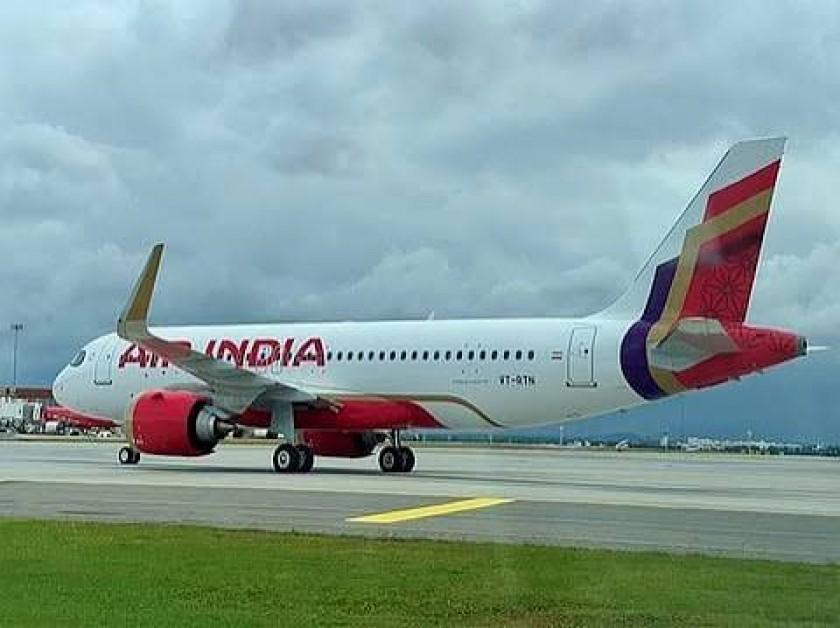
Tata Sons Says Air India Transformation Will Require Long-Term Investment
Tata Sons has reaffirmed that Air India's transformation will require sustained long-term investment, highlighting the scale of capital, technology and operational improvements needed to rebuild the airline into a globally competitive carrier.
The group has described the turnaround as a multi-year effort that extends well beyond financial restructuring. Investments are being directed toward fleet modernisation, digital systems, customer experience, maintenance infrastructure, workforce development and network expansion.
The strategy reflects Tata Group's objective of positioning Air India as a leading international airline while capitalising on India's rapidly growing aviation market.
Transformation Extends Beyond Financial Recovery

According to Tata Sons, rebuilding Air India involves much more than improving profitability.
The airline is undergoing a comprehensive operational transformation that includes upgrading aircraft, improving service quality and strengthening internal processes.
Key areas of investment include:
-
Fleet modernisation
-
Cabin refurbishment
-
Digital technology
-
Maintenance infrastructure
-
Employee training
-
Customer experience
-
Network optimisation
-
Operational efficiency
Each of these initiatives requires significant capital expenditure and consistent execution over several years.
Fleet Modernisation Remains the Largest Investment
Aircraft renewal continues to be one of Air India's biggest priorities.
Modern aircraft offer improved fuel efficiency, lower maintenance costs, greater operational reliability and enhanced passenger comfort.
The airline is progressively adding new-generation aircraft while refurbishing parts of its existing fleet.
Fleet investment is expected to improve:
-
Fuel efficiency
-
Route economics
-
Passenger experience
-
Operational reliability
-
Maintenance performance
-
Long-haul capability
-
Capacity growth
-
Environmental efficiency
Because aircraft deliveries occur over many years, the benefits will emerge gradually rather than immediately.
Existing Aircraft Continue to Receive Upgrades
Alongside new aircraft deliveries, Air India is investing heavily in refurbishing existing aircraft.
Cabin improvement programmes include:
-
New seating
-
Upgraded interiors
-
Modern entertainment systems
-
Improved lighting
-
Premium cabin enhancements
-
Better connectivity
-
Refreshed passenger amenities
-
Enhanced onboard comfort
These upgrades are designed to improve the travel experience before all newly ordered aircraft enter service.
Technology Investment Supports Operational Efficiency
Technology modernisation forms another major pillar of the transformation strategy.
Airlines increasingly rely on integrated digital platforms for reservations, scheduling, maintenance, revenue management and customer service.
Air India is investing in systems that can improve:
-
Flight operations
-
Booking experience
-
Crew scheduling
-
Maintenance planning
-
Revenue management
-
Customer communication
-
Digital services
-
Data analytics
Modern technology is expected to improve operational efficiency while reducing disruptions and enhancing passenger satisfaction.
Customer Experience Remains a Strategic Priority
Improving customer experience is central to Air India's long-term strategy.
The airline aims to strengthen its competitive position by delivering more consistent service across domestic and international operations.
Areas of focus include:
-
On-time performance
-
Cabin service
-
Airport experience
-
Baggage handling
-
Digital support
-
In-flight entertainment
-
Premium services
-
Customer responsiveness
Visible improvements in these areas are expected to play an important role in rebuilding the airline's global reputation.
Integration of Aviation Businesses Continues
The Tata Group is also integrating its aviation businesses to create a more efficient operating structure.
The merger of Vistara with Air India and the expansion of Air India Express are intended to strengthen network connectivity, fleet utilisation and operational efficiency.
Successful integration requires alignment across:
-
Employees
-
Technology systems
-
Fleet planning
-
Loyalty programmes
-
Service standards
-
Route networks
-
Corporate processes
-
Brand positioning
Although integration creates long-term opportunities, it also increases execution complexity during the transition period.
India's Aviation Market Supports Long-Term Growth
India remains one of the world's fastest-growing aviation markets.
Several structural trends continue supporting passenger demand:
-
Rising disposable incomes
-
Growing middle class
-
Increased business travel
-
International tourism
-
Airport expansion
-
Regional connectivity
-
Urbanisation
-
Higher air-travel penetration
These long-term trends provide a favourable environment for Air India's transformation strategy.
International Expansion Offers Significant Opportunity
Air India aims to strengthen its position across major international routes.
Expanding direct connectivity between India and global destinations can reduce dependence on foreign transit hubs while improving convenience for passengers.
International expansion also creates opportunities to increase revenue from premium travel, business passengers and long-haul operations.
A modern fleet and improved service standards will be critical to competing effectively with established global airlines.
Employee Development Supports Service Improvement
Human capital remains an essential component of the transformation programme.
The airline continues investing in:
-
Employee training
-
Leadership development
-
Technical skills
-
Customer-service excellence
-
Safety standards
-
Operational discipline
-
Workforce integration
-
Talent acquisition
Developing a consistent service culture across a large organisation is expected to take several years.
Financial Commitment Remains Significant
Large-scale airline transformation requires sustained capital investment.
Funding priorities include:
-
Aircraft acquisition
-
Fleet refurbishment
-
Digital infrastructure
-
Airport facilities
-
Maintenance capability
-
Technology upgrades
-
Employee development
-
Network expansion
Although these investments increase short-term financial pressure, they are intended to strengthen long-term competitiveness and profitability.
Competitive Landscape Remains Challenging
Air India operates in a highly competitive aviation market.
The airline competes with:
-
Full-service carriers
-
Low-cost airlines
-
International airlines
-
Regional operators
Competition extends across pricing, service quality, route networks, loyalty programmes and operational reliability.
Continuous investment will therefore remain necessary even after the transformation programme progresses.
External Risks Continue to Affect Operations
The aviation industry remains exposed to several external risks.
These include:
-
Higher aviation fuel prices
-
Geopolitical tensions
-
Airspace restrictions
-
Supply-chain disruptions
-
Aircraft delivery delays
-
Currency fluctuations
-
Global economic slowdown
-
Regulatory changes
Managing these uncertainties will remain important as Air India executes its long-term strategy.
Investors Will Monitor Operational Progress
Beyond financial performance, investors are expected to monitor operational indicators such as:
-
Fleet expansion
-
Aircraft deliveries
-
Passenger traffic
-
Load factors
-
On-time performance
-
Customer satisfaction
-
Cost efficiency
-
Network growth
-
Digital transformation
-
Loss reduction
Steady improvement across these metrics would indicate that the transformation programme is progressing as planned.
Outlook
Tata Sons' emphasis on long-term investment highlights the scale of Air India's transformation ambitions.
The combination of fleet modernisation, technology upgrades, customer-experience improvements and organisational integration is expected to strengthen the airline's competitive position over time.
India's expanding aviation market provides a favourable long-term opportunity, but successful execution will require sustained capital investment, operational discipline and consistent service improvements.
Conclusion
Tata Sons has made it clear that rebuilding Air India is a long-term strategic project rather than a short-term financial exercise.
The transformation involves substantial investments across aircraft, technology, infrastructure, employees and customer experience, reflecting the group's ambition to create a globally competitive airline.
While the programme will require patience and significant financial commitment, India's rapidly expanding aviation sector provides a strong foundation for long-term growth.
The success of Air India's transformation will ultimately depend on the airline's ability to consistently improve operational performance, enhance passenger experience and achieve sustainable profitability over the coming years..
 Tata Sons Says Air India Transformation Needs Long-Term Investment FAQs
POST A COMMENT (0)
All Comments (0)
Replies (0)