





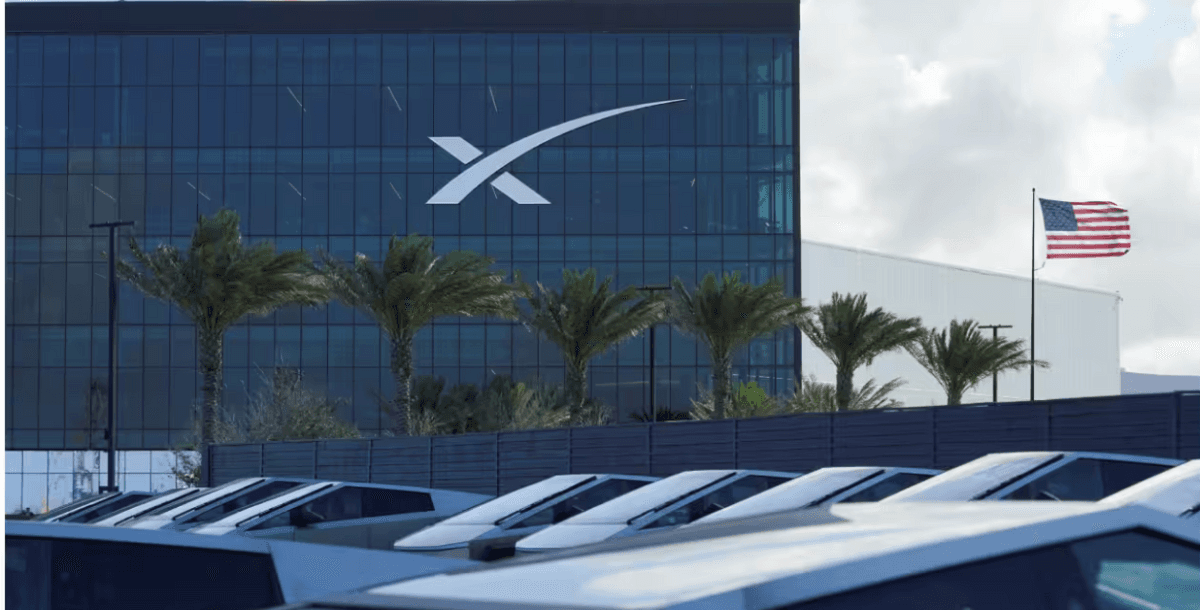
SpaceX Bond Fundraising Sparks Debate on AI Infrastructure Spending
Days after a record IPO, Elon Musk's company launched a $20 billion bond sale, turning it into a flashpoint in the bigger question of whether the debt-fuelled AI buildout will pay off.
By Naina, 24th June 2026
SpaceX's first bond fundraising has reignited a fierce debate over AI infrastructure spending, just days after the company completed a record-breaking stock market debut. On 22 June 2026, Elon Musk's SpaceX launched an investment-grade bond offering targeting at least $20 billion, its inaugural foray into the debt markets. The proceeds will mostly refinance a bridge loan tied to its acquisition of AI startup xAI, with the rest helping fund a vast push into data centres and computing power. The sale has become a lightning rod in the wider question of whether the debt-financed AI boom can ever turn a profit.
The timing is striking. SpaceX raised close to $86 billion in its IPO and disclosed more than $100 billion in cash, yet it returned to investors for billions more within days. That combination of huge reserves and fresh borrowing has unsettled some shareholders and crystallised a broader anxiety: across the technology sector, companies are taking on record debt to build AI capacity faster than the profits to justify it. SpaceX, still burning cash heavily, is now the highest-profile test of that strategy. Here is what the deal involves and why it matters.
The Bond Deal
SpaceX is offering at least $20 billion in senior unsecured notes, with maturities ranging from five to 30 years, marking its first investment-grade dollar bond sale. The company secured investment-grade ratings from all three major agencies ahead of the offering, paving the way for cheaper borrowing. Most of the proceeds will repay a $20 billion bridge loan, taken earlier this year and due in 2027, that funded its acquisition of xAI, with the remainder going to general corporate needs. The same five banks that arranged the bridge loan are leading the bond sale.
The Cash Paradox
What puzzles observers is that SpaceX hardly looks short of money. It disclosed roughly $100.8 billion in cash as of mid-June, much of it raised in the IPO, against about $29.1 billion of long-term debt. Borrowing so soon after such a large flotation reflects a deliberate choice: using debt rather than new shares spares existing shareholders from dilution while funding expansion. But it also signals just how much capital the company expects to spend, and how confident it is that lenders will keep funding its ambitions at attractive rates.
The AI Pivot
At the heart of the story is SpaceX's transformation into an AI company. The xAI merger brought artificial intelligence, rockets, satellite internet, and media under one roof, which Musk called an innovation engine. The company has struck large agreements to supply computing capacity, including deals with Google and Anthropic reportedly valued at around $75 billion combined, plus a fresh $6.3 billion contract with another AI firm. Bond proceeds are earmarked in part for the data centres and infrastructure needed to deliver that compute, positioning SpaceX as a would-be rival to the cloud hyperscalers.
The Cash-Burn Problem
The financial reality is sobering. SpaceX lost nearly $5 billion in 2025 and posted a net loss of about $4.28 billion in the first quarter of 2026 alone, with losses more than quadrupling from a year earlier. Much of the bleeding traces to the AI division, which lost billions while generating far less in revenue. Starlink remains the main earner, but the biggest growth ambitions, and the heaviest spending, sit in the loss-making AI unit. For bond investors, the question is whether contracted revenue is enough to service the debt while the company keeps burning cash.
The Stock Reaction
Markets have grown wary. SpaceX shares tumbled around 16 percent in a single session and have fallen more than 20 percent over three trading days, erasing hundreds of billions in market value and dragging the company from a fleeting peak above some of the world's largest firms. The slide came even as SpaceX announced new compute deals, suggesting investors are reassessing how much to pay for a business whose AI bet is unproven. The episode fed into a broader, jittery sell-off in AI and technology stocks worldwide.
The Wider AI Debt Boom
SpaceX is far from alone. Lending to AI has become Wall Street's favourite trade, with Nvidia, Alphabet, Amazon, and Oracle all raising vast sums through debt and equity to fund data centres and chips. Alphabet raised tens of billions, Amazon has borrowed more than $82 billion since the start of 2025, and Oracle has signalled plans to raise as much as $50 billion this year. By one bank's estimate, hyperscaler, data-centre, and semiconductor financing had already topped $165 billion by mid-2026, exceeding the full prior year. Data-centre debt has become the single largest driver of near-record bond issuance.
The Profitability Question
The debate boils down to returns. Enormous capital is flowing into AI infrastructure on the assumption that demand and profits will follow, but that payoff remains uncertain. Ratings agencies have flagged the execution and financial risks of large-scale AI buildouts, citing high capital intensity, sustained negative cash flow, and a wide range of possible outcomes. With AI profitability still a distant goal, shareholders are increasingly relying on rising stock prices to justify the spending. SpaceX's bond is a clean illustration of the wager: build first, at huge cost, and trust that the revenue arrives.
The Orbital Wild Card
SpaceX adds a uniquely ambitious twist. The company has floated the idea of building data centres in space, using constant solar power and the cooling of orbit to escape the land, power, and water constraints limiting terrestrial sites. It has unveiled a concept for a solar-powered orbital compute node tied to its launch system and satellite network. The vision is compelling, but the contracts disclosed so far are ground-based, and analysts caution against valuing orbital infrastructure on ambition alone. It captures both the promise and the speculative edge of the whole AI-spending debate.
The Road Ahead
SpaceX's bond fundraising has turned a corporate refinancing into a referendum on AI infrastructure spending. The deal will likely succeed, given investor appetite and investment-grade ratings, but it sharpens the central question of this cycle: whether the trillions being borrowed to build AI capacity will generate the returns to repay it. SpaceX, with its vast cash pile, heavy losses, and orbital dreams, embodies the bet in its starkest form. How its wager plays out, alongside those of the hyperscalers, will help decide whether the AI boom proves durable or overbuilt. This is analysis, not investment advice.
Frequently Asked Questions
What is SpaceX's bond fundraising?
SpaceX launched its first investment-grade bond offering on 22 June 2026, targeting at least $20 billion in senior unsecured notes with maturities of five to 30 years, days after its record stock market debut.
What will the money be used for?
Most of the proceeds will refinance a $20 billion bridge loan tied to SpaceX's acquisition of xAI, with the remainder supporting general needs and its push into AI data centres and computing infrastructure.
Why is the deal controversial?
SpaceX holds more than $100 billion in cash yet is borrowing billions more while losing money heavily, which has fed a broader debate over whether the debt-fuelled AI infrastructure boom can deliver profits.
How does this fit the wider AI spending trend?
Companies including Nvidia, Alphabet, Amazon, and Oracle have raised hundreds of billions through debt and equity for AI, making data-centre financing a leading driver of record bond issuance in 2026.
What are the main risks?
SpaceX's AI division is loss-making, free cash flow is negative, and the payoff from AI investment is uncertain. Ratings agencies have flagged high capital intensity and a wide range of possible outcomes.
 Related News
POST A COMMENT (0)
All Comments (0)
Replies (0)