





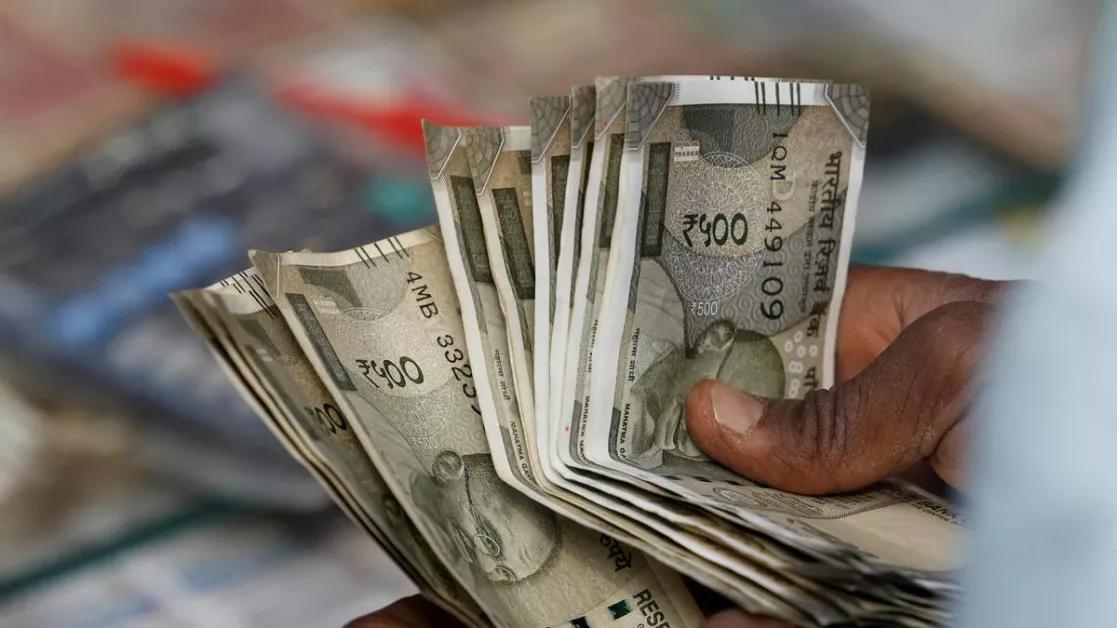
Indian Rupee Hits Historic Low of ₹88.45 per USD: An In-Depth Look at Causes, Implications, and the Road Ahead
The Indian rupee has come under severe pressure, plunging to around ₹88.45 against the U.S. dollar, marking a historic low and sending shockwaves across the financial and business community. While currency volatility is not new, the depth of the rupee’s fall and the timing of its decline in 2025 highlight the interplay of both domestic vulnerabilities and global macroeconomic headwinds.
This article provides a detailed 360-degree analysis of the situation, breaking down the global factors, domestic implications, policy considerations, investor sentiment, and historical lessons that define this critical moment for India’s economy.
Global Headwinds and the Dollar’s Dominance
The sharp depreciation of the rupee is not an isolated event—it reflects a broader global economic environment characterized by volatility and uncertainty. At the center of this storm is the U.S. dollar, which has surged to multi-year highs, acting as a safe-haven currency amid ongoing trade disputes, geopolitical conflicts, and fears of a global slowdown.
Emerging market currencies like the Indian rupee, Turkish lira, and Brazilian real are particularly vulnerable during such phases. Investors, nervous about volatility in riskier markets, often flock toward the relative safety of the dollar and U.S. Treasury bonds, creating a one-sided demand for dollars.
For India, which relies heavily on imports of crude oil, technology, and industrial raw materials, the strengthening dollar automatically inflates its import bill. This structural dependence magnifies the impact of dollar strength on the rupee, pulling it lower than many of its emerging-market peers.
Domestic Triggers of Rupee Weakness
While global currents are partly to blame, domestic factors have also contributed significantly to the rupee’s slide.
-
Trade Deficit Pressures
India’s trade deficit has widened sharply due to high crude oil prices and surging gold imports. A larger deficit means India is spending more foreign exchange than it is earning, putting downward pressure on the rupee. -
Capital Outflows
Foreign institutional investors (FIIs), who play a major role in India’s stock and bond markets, have been withdrawing funds amid global uncertainty. These outflows reduce foreign exchange inflows and weaken the rupee further. -
Inflation Concerns
The weakening rupee itself threatens to stoke inflation. Rising import costs feed into consumer prices, making essentials such as fuel and edible oil more expensive. Inflationary trends further erode investor confidence, creating a feedback loop of pressure on the rupee. -
Policy Ambiguity
Though the Reserve Bank of India (RBI) has intervened occasionally in the forex market, its stance has been cautious. Market players are unsure how far the RBI is willing to go to defend the rupee, and this uncertainty itself fuels speculation.
The Role of the U.S. Federal Reserve
One of the most closely watched events now is the U.S. Federal Reserve’s policy meeting scheduled for September 16–17, 2025. Markets widely anticipate a 25 basis-point cut in interest rates.
If the Fed delivers the cut, the dollar may lose some of its upward momentum, providing temporary relief to the rupee and other emerging-market currencies. However, if the Fed signals caution or delays easing, the dollar could strengthen further, dragging the rupee even lower.
This dependence on Fed policy underscores the vulnerability of emerging economies like India to decisions made in Washington. It also highlights the asymmetric nature of the global financial system, where the U.S. dollar’s role as a global reserve currency often dictates the fate of other nations.
Historical Context: Lessons from Past Rupee Crises
The rupee has faced significant crises in the past, and examining them provides insight into today’s situation.
-
1991 Balance of Payments Crisis
India nearly ran out of foreign exchange reserves, prompting an emergency bailout from the IMF and ushering in economic liberalization. -
2013 Taper Tantrum
The rupee fell sharply when the U.S. Fed announced plans to reduce its quantitative easing program. FIIs fled emerging markets, and the rupee was one of the hardest hit. -
2018 Oil Price Shock
A sudden spike in crude oil prices caused the rupee to weaken, illustrating its structural dependence on energy imports.
Today’s crisis, while different in scope, mirrors elements from each of these episodes—structural weaknesses amplified by global turbulence.
Impact on Different Sectors of the Economy
Import-Dependent Industries
Sectors such as oil, aviation, electronics, and automobiles are immediately impacted by a weaker rupee, as their import costs rise. Airlines, for example, face higher jet fuel costs, which may lead to more expensive airfares.
Exporters Benefit, but With Caveats
Export-oriented sectors like IT and pharmaceuticals may benefit from a weaker rupee as their dollar earnings increase in value. However, global demand slowdown could offset these gains.
Consumers and Inflation
Ordinary consumers bear the brunt of rupee depreciation through higher fuel, cooking oil, and mobile phone prices. Inflation hits household budgets and reduces disposable income, creating political and economic challenges.
Government Fiscal Stress
Higher import bills and inflationary trends put pressure on government finances. Subsidies on fuel or fertilizers may rise, while tax revenues could slow down due to reduced consumer spending.
Investor Sentiment and Market Reaction
Investor confidence is fragile. While stock markets initially showed resilience, concerns over currency instability have begun weighing on equities. The bond market too has seen higher yields, reflecting investor demands for greater compensation for risk.
Foreign investors are particularly wary. They fear further depreciation could erode returns, leading to a self-fulfilling cycle of outflows. Domestic investors, meanwhile, are looking toward gold and real estate as safe havens, underscoring the anxiety pervading financial markets.
What Can the RBI Do?
The Reserve Bank of India has a delicate balancing act. Its key tools include:
-
Intervening in the Forex Market
By selling dollars from its reserves, the RBI can prop up the rupee. But reserves, while sizable, are not infinite, and overuse risks depleting them. -
Adjusting Interest Rates
Higher interest rates could attract foreign inflows, but this risks slowing domestic growth. Lower rates, on the other hand, could fuel inflation. -
Tightening Import Policies
Temporary restrictions on non-essential imports, such as gold, could ease pressure on the trade deficit. -
Boosting Exports and FDI
In the medium term, policies that incentivize exports and foreign direct investment (FDI) can stabilize the rupee.
Geopolitical and Trade-Tariff Headwinds
Another major factor influencing the rupee is the global trade environment. Rising U.S. tariffs on Asian economies, ongoing tensions in the Middle East, and supply chain disruptions have created a volatile environment for emerging economies.
For India, which is both a major importer and exporter, navigating this turbulence requires deft diplomatic and economic strategies. Free trade agreements (FTAs) with partners like the EU and Gulf countries could help diversify India’s trade portfolio and reduce exposure to dollar swings.
Long-Term Implications for India
The rupee’s depreciation has long-term consequences that go beyond short-term inflation.
-
Erosion of Global Investor Confidence
Sustained volatility could make India less attractive for long-term investors, particularly those seeking currency stability. -
Pressure on Credit Ratings
If currency weakness impacts fiscal stability, rating agencies may downgrade India’s credit outlook, further complicating external borrowing. -
Shift Toward Alternative Currencies
This crisis may renew calls for diversifying reserves into currencies like the euro, yuan, or even gold, reducing dependence on the U.S. dollar.
Public Perception and Political Implications
For ordinary Indians, the falling rupee is not just a financial statistic but a lived reality. Rising prices of essentials, from petrol to smartphones, directly affect household budgets.
Politically, opposition parties are already seizing on the rupee’s weakness to question the government’s economic management. As India heads toward future elections, the rupee’s trajectory could play a role in shaping public opinion.
Conclusion: The Road Ahead
The rupee’s fall to ₹88.45 per dollar marks more than just a currency milestone—it is a reflection of India’s vulnerability in an interconnected global financial system. While global factors such as the U.S. dollar’s strength and trade tensions are largely beyond India’s control, domestic policies will be critical in determining how the country weathers this storm.
The coming days, especially the outcome of the U.S. Federal Reserve’s meeting, will be pivotal. But in the longer term, India must focus on structural reforms, reducing dependence on imports, and building greater resilience in its economy.
For now, policymakers, businesses, and households alike are bracing for turbulence as the rupee navigates one of its most challenging phases in recent history.
 Indian Rupee Plunges to Historic Low of ₹88.45 per USD: Causes, Global Impact, and What Lies Ahead FAQs
POST A COMMENT (0)
All Comments (0)
Replies (0)