





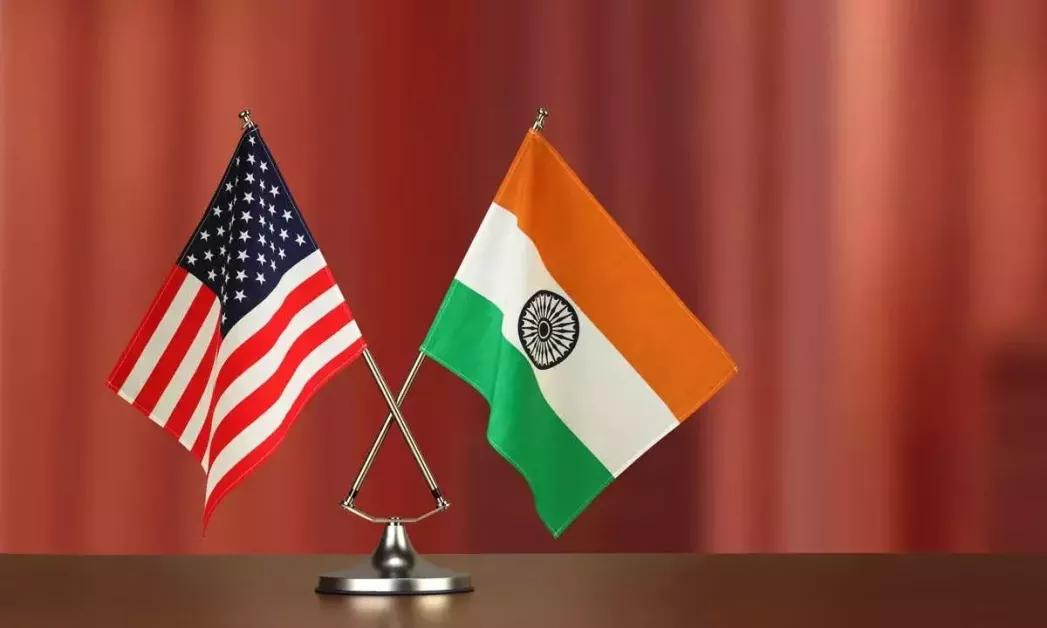
India–US Trade Deal Enters Final Negotiation Stage
The US ambassador says only the last 1-2% remains after 18 months of talks, with both sides eyeing a leap in bilateral trade toward $500 billion.
By Naina, 30th June 2026
The India-US trade deal has entered its final negotiation stage, with the US ambassador to India, Sergio Gor, saying on Tuesday, 30 June 2026, that only the last one to two percent of the agreement remains to be concluded. Speaking at a strategic partnership forum summit in Washington, Gor said most of the deal was complete after nearly 18 months of talks, with a few items still pending on both sides. He expressed strong confidence that the long-awaited pact would be sealed soon. The comments mark the most optimistic official assessment yet, signalling that a landmark agreement between two of the world's largest economies is close.
The deal carries enormous weight for both economies. Officials have set an ambitious target of more than doubling bilateral trade to $500 billion, from around $220 billion currently, underscoring the stakes. The agreement, in active development for about a year and a half, faced delays from a US court ruling but has been pushed back toward the finish line by intensified engagement in recent weeks. For businesses, a deal would bring greater certainty after prolonged uncertainty over tariffs. Here is where the negotiations stand, what remains, and what the agreement could mean.
The Final Stretch
The headline message is that the deal is nearly done. Gor told the summit that negotiators are working through the last one to two percent of the agreement, with most of it complete and only a few items remaining on each side. He described himself as determined to bring the talks to a close, framing the pact as a win-win that would benefit both nations and take the relationship to the next level. The assessment, from a senior US official, is the clearest signal yet that an agreement is imminent, though the final issues, however small in proportion, are typically the hardest to resolve.
The 18-Month Journey
The road has been long. Negotiations have run for roughly 18 months, a duration Gor sought to put in perspective by noting that trade agreements of this scale often take years, citing a comparison that an earlier major trade deal took two decades. The complexity of aligning two large economies on tariffs, market access, and regulatory issues explains the extended timeline. Gor argued that as long as the India-US deal concluded faster than such precedents, the pace was reasonable. The framing was meant to counter impatience and reassure stakeholders that the lengthy process reflected thoroughness rather than trouble.
The Supreme Court Disruption
A notable wrinkle was a legal setback. Gor acknowledged that the deal had appeared close to completion before a US Supreme Court intervention disrupted the original timeline, forcing a recalibration. The framework had been built partly around a tariff regime affected by the court's decision, which sent negotiators back to refine terms. Rather than derailing the process, the disruption delayed it, with high-level diplomacy over recent weeks restoring momentum. The episode illustrates how external legal and policy shifts can complicate even near-final trade agreements, and why officials have been cautious about declaring the deal done before every detail is settled.
The Recent Intensification
Engagement has accelerated sharply. Gor cited a flurry of high-level exchanges in recent weeks, including a two-day visit by the US trade representative to New Delhi and talks held by India's commerce minister in New York. This intensified diplomacy has been aimed squarely at pushing the agreement across the finish line. The frequency and seniority of these interactions signal that both governments are treating conclusion of the deal as a near-term priority. The momentum from these exchanges, following months of slower progress, is a key reason officials now sound confident that resolution is within reach.
The $500 Billion Ambition
The prize is a dramatic expansion of trade. Both governments have set a target of lifting bilateral trade to $500 billion, more than double the current level of around $220 billion. That trade has already grown enormously over two decades, from about $20 billion to its present scale, and the United States is now the destination for more Indian goods exports than any other country. The $500 billion goal reflects the ambition behind the deal, positioning it not merely as a tariff arrangement but as the foundation for a far deeper economic partnership between the two nations in the years ahead.
The Remaining Issues
The final percentage points contain the hard parts. While officials have not detailed every outstanding issue, sensitive areas in such negotiations typically include tariff levels, agricultural and dairy market access, and the treatment of various goods and non-tariff barriers. These are precisely the items that tend to remain until the end because they carry the greatest domestic political and economic sensitivity. A temporary US tariff arrangement with a late-July expiry has also shaped the timeline. Resolving these last points to both sides' satisfaction is what separates a near-complete deal from a signed one, and where final compromises must be struck.
The Strategic Relationship
Beyond trade, the relationship was cast as robust. Gor pushed back firmly against speculation that ties between Washington and New Delhi were strained, insisting the relationship was on strong footing across trade, defence, and people-to-people links. He highlighted the personal rapport between the US president and India's prime minister as a driving force, and pointed to expanding cooperation in technology, semiconductors, supply-chain resilience, and defence. This strategic framing positions the trade deal as one pillar of a broader partnership that both governments describe as among the most consequential of the era, reinforcing the political will to conclude the agreement.
The Stakes for Business
For companies, the deal promises stability. Gor emphasised that the agreement would bring certainty for businesses engaged in bilateral trade, ending a prolonged period of uncertainty over tariffs and market access. Indian exporters in sectors from textiles and gems to engineering goods, electronics, and pharmaceuticals stand to benefit from clearer, more favourable terms in their largest market, while US firms gain deeper access to a fast-growing economy. Predictable rules would allow businesses on both sides to plan investments and supply chains with greater confidence, making the conclusion of the deal commercially significant well beyond the headline trade figures.
The Road Ahead
The India-US trade deal appears closer to completion than at any point in its 18-month journey, with a senior US official signalling that only final details remain. Yet the last stretch of any negotiation is often the most difficult, and a deal is not done until it is signed. The coming days and weeks will reveal whether the remaining issues can be resolved and the agreement formalised, potentially unlocking a major expansion in trade and cementing a deeper economic partnership. For businesses, investors, and both governments, the conclusion of this deal would be a defining moment. This is analysis, not investment advice.
Frequently Asked Questions
What stage is the India-US trade deal at?
According to US Ambassador Sergio Gor, the deal is in its final stage, with only the last one to two percent remaining after nearly 18 months of negotiations. He expressed confidence it would be concluded soon.
Why has the deal taken so long?
The negotiations are complex, involving tariffs, market access, and regulatory issues across two large economies. A US Supreme Court intervention also disrupted the original timeline, forcing a recalibration before recent diplomacy restored momentum.
What is the bilateral trade target?
Both governments have set a target of raising bilateral trade to $500 billion, more than double the current level of around $220 billion, which has itself grown from about $20 billion over two decades.
What issues remain to be resolved?
Officials have not detailed every pending item, but sensitive areas in such deals typically include tariff levels, agricultural and dairy market access, and non-tariff barriers, the points that usually remain until the end.
Why does the deal matter for businesses?
It would provide stability and certainty after prolonged tariff uncertainty, offering Indian exporters clearer terms in their largest market and giving US firms deeper access to a fast-growing economy, helping both plan investments and supply chains.
 Related News
POST A COMMENT (0)
All Comments (0)
Replies (0)