





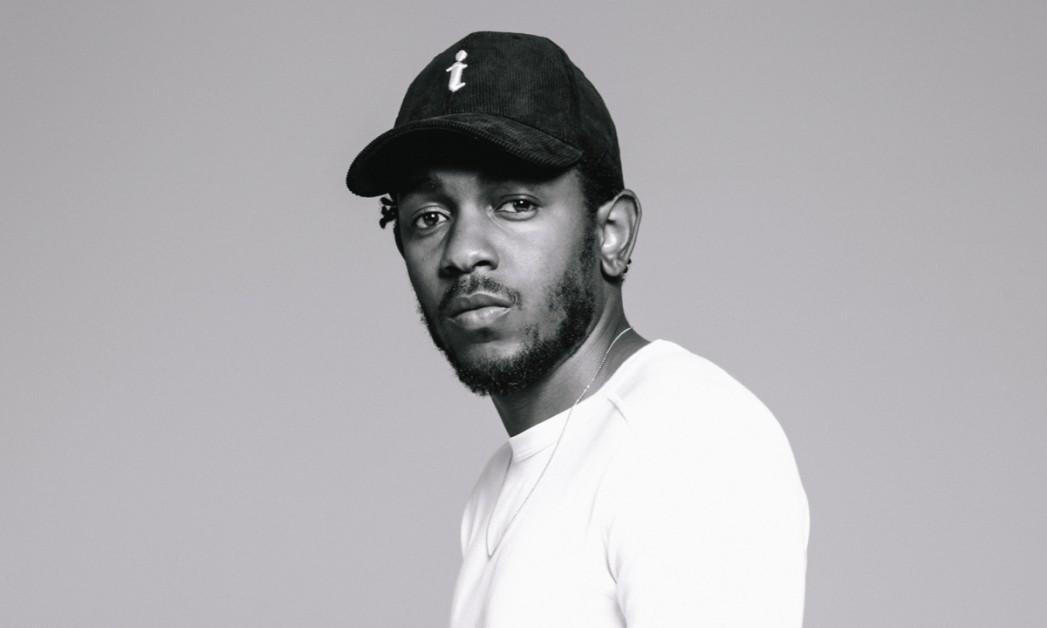
Kendrick Lamar: The Poet of Hip-Hop Revolutionizing Music and Culture
Introduction
Kendrick Lamar Duckworth, known globally as Kendrick Lamar, is more than just a rapper—he is a cultural force. Born on June 17, 1987, in Compton, California, Lamar has emerged as one of the most important voices in modern hip-hop, blending poetic lyricism with sharp social commentary. His ability to combine street narratives with deep introspection has earned him critical acclaim, commercial success, and even the prestigious Pulitzer Prize for Music.
Early Years
Kendrick grew up in Compton, a city synonymous with gang violence, poverty, and resilience. His parents had moved from Chicago to escape the gang life, yet the family still faced economic hardship. As a child, Lamar was quiet and observant, often finding solace in writing stories and poetry. Inspired by witnessing Tupac Shakur and Dr. Dre filming the "California Love" video near his home, he developed a fascination with music at an early age.
Teenage Years
Kendrick’s teenage years were shaped by both the harsh realities of his environment and his determination to rise above them. At 13 years old, he began writing rap verses, heavily inspired by artists like Jay-Z, Eminem, and DMX. He spent countless hours perfecting his craft, filling notebooks with rhymes. Despite the gang-dominated streets around him, Kendrick focused on academics and music, avoiding direct involvement in crime. He attended Centennial High School, where he was known for his exceptional writing skills and reserved nature. He often stayed indoors working on lyrics while his peers were outside, a habit that gave him an edge in storytelling. By 16, he released his first mixtape under the name “K.Dot,” earning respect in the local rap scene. His teenage years laid the foundation for the socially conscious and emotionally deep artist he would become.
Birth of the Career
Lamar’s early mixtapes caught the attention of Top Dawg Entertainment (TDE), an independent record label that would become his artistic home. Under TDE, he refined his sound, shifting from K.Dot to his real name, Kendrick Lamar, to represent authenticity. His breakthrough came with the critically acclaimed 2011 album Section.80, which tackled systemic racism, inequality, and personal struggles. This was followed by good kid, m.A.A.d city (2012), a cinematic depiction of his teenage life in Compton, which catapulted him into mainstream success.
Challenges
Despite fame, Lamar faced immense pressure to balance commercial appeal with his commitment to meaningful storytelling. The music industry’s demand for trends often conflicted with his desire for authenticity. Additionally, his role as a voice for social justice meant navigating political controversies and public expectations.
Legacy and Impact
Kendrick Lamar’s legacy is defined by his fearless artistry. His 2015 album To Pimp a Butterfly fused jazz, funk, and rap to address African American history, identity, and empowerment. In 2018, he became the first non-classical, non-jazz musician to win the Pulitzer Prize for Music for DAMN., solidifying his place as one of the greatest lyricists in history. His work has influenced a new generation of artists to embrace vulnerability, consciousness, and cultural pride.
Lessons
Kendrick Lamar’s journey teaches that authenticity, discipline, and a strong sense of purpose can elevate talent into timeless influence. His refusal to compromise his values for fame is a blueprint for aspiring artists navigating a commercialized industry.
 Related News
POST A COMMENT (0)
All Comments (0)
Replies (0)