





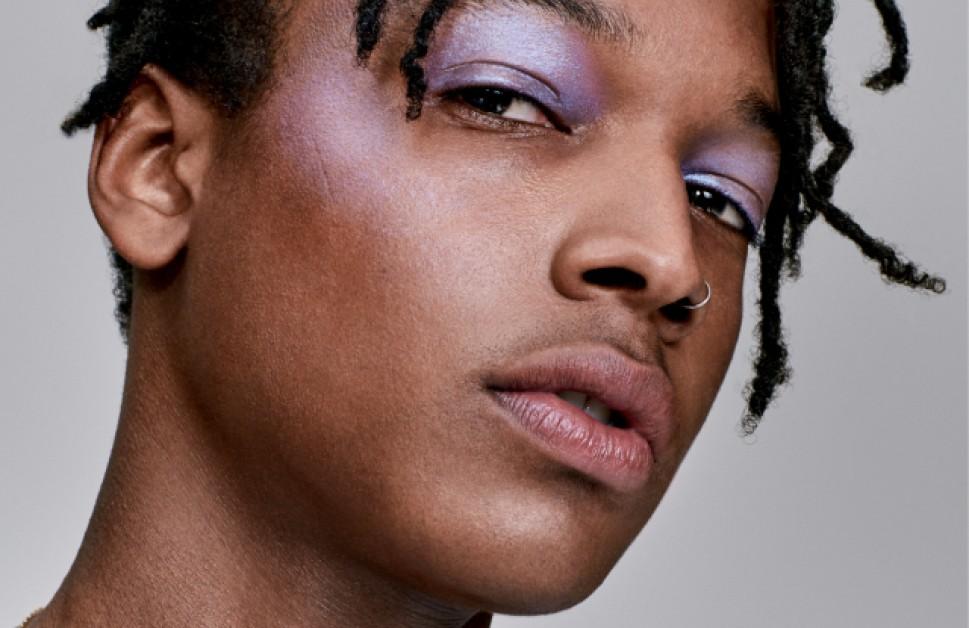
The once rigid walls of the beauty industry are finally cracking — and what’s emerging is a world where makeup is not just for women. From international beauty giants to indie disruptors, brands are increasingly championing gender-neutral and male-inclusive beauty, breaking stereotypes and redefining self-expression.
What was once taboo is now trending — men in makeup are not just accepted, they’re celebrated.
Breaking the Binary: From Male Grooming to Makeup
Historically, men's grooming products were confined to shaving creams, deodorants, and colognes. But that landscape is changing dramatically.
-
BB creams, concealers, highlighters, and brow gels for men are now mainstream.
-
Celebrities like Harry Styles, BTS, Ranveer Singh, and Billy Porter have helped normalize and glamorize male beauty.
-
Social platforms like TikTok and Instagram have spotlighted male makeup influencers, creating a new wave of beauty icons.
This shift isn’t just about men wearing makeup. It’s about a spectrum of gender expressions being represented in beauty campaigns.
Branding Goes Beyond the Binary
Leading beauty brands are taking note — and taking action:
-
Fenty Beauty by Rihanna proudly includes male models in campaigns, showcasing inclusive shade ranges for all skin tones and genders.
-
Chanel launched "Boy de Chanel", a male-focused line with foundation, brow pencils, and lip balm — all sleek, minimal, and masculine in tone.
-
M.A.C., NYX, and Morphe regularly collaborate with male influencers like James Charles, Bretman Rock, and Manny MUA.
Indie brands are also pushing boundaries:
-
Jecca Blac, a UK-based brand, markets products as “makeup for all genders.”
-
Fluide, an LGBTQIA+-owned beauty line, creates vegan, cruelty-free products for every identity, free from labels.
India’s Slow But Steady Embrace
While the global market is racing ahead, India is cautiously evolving. Traditional gender roles still dominate, but cracks are visible.
-
Indian influencers like Shantanu Dhope and Deep Pathare are using social media to challenge beauty norms.
-
Urban metros are seeing rising demand for grooming salons for men that also offer skincare, BB creams, and facials.
-
Indian startups like Beardo, The Man Company, and Bombay Shaving Company have introduced subtle products — tinted moisturizers, anti-fatigue creams, under-eye roll-ons — that are essentially makeup in disguise.
The marketing may still lean on “masculinity,” but it’s a sign that beauty for men is going mainstream.
Why the Shift?
Several cultural and commercial forces are driving this change:
-
Gen Z rejects binary definitions of gender and expects brands to follow suit.
-
There’s a rising emphasis on self-care, where skincare and makeup are seen as confidence-boosting, not gendered.
-
The K-pop wave, especially from groups like BTS, has made flawless skin and eyeliner universally admired.
-
The growth of influencer culture has opened doors for men to express themselves creatively through makeup.
Challenges Remain
Despite the progress, the industry still faces hurdles:
-
Stigma and societal judgment still affect male consumers, especially in conservative societies.
-
Retail environments are often not welcoming or comfortable for men to shop for beauty.
-
Brands must tread carefully between appealing to inclusivity and avoiding tokenism or marketing gimmicks.
The Future: Makeup Without Labels
The future of beauty isn’t male or female — it’s fluid, inclusive, and individual. Men are not just wearing makeup — they’re shaping the future of it.
As more brands embrace this inclusive vision, the hope is that makeup becomes what it was always meant to be — a tool for self-expression, free of boundaries.
Because when beauty is truly inclusive, everyone gets to shine.
 Related News
POST A COMMENT (0)
All Comments (0)
Replies (0)