





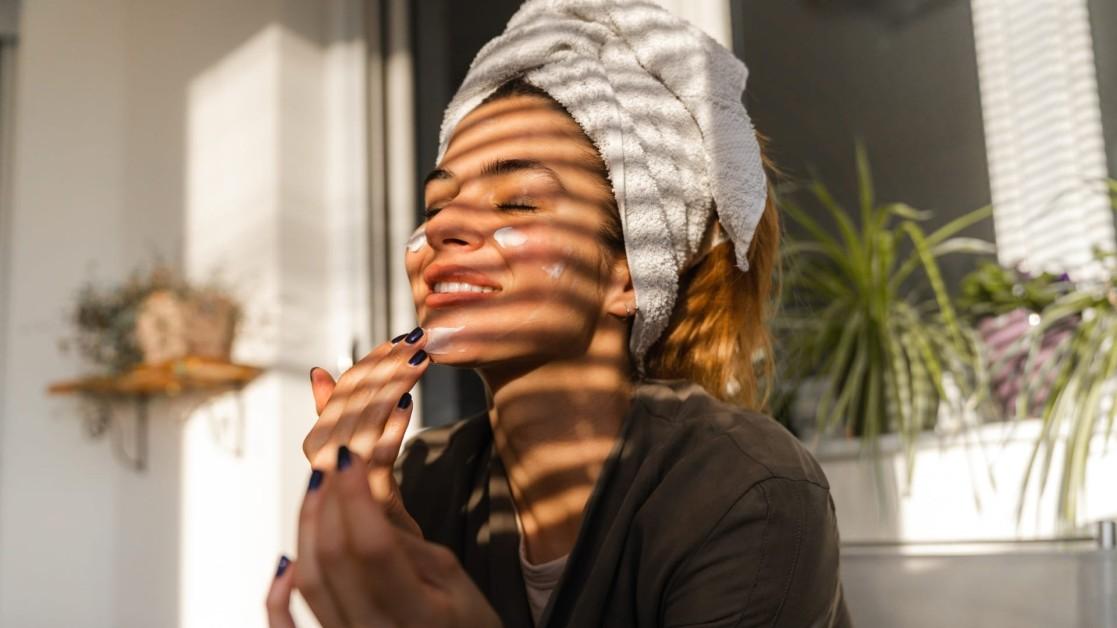
What was once a quick face wash before bed has evolved into something far more profound. In today’s world of anxiety, burnout, and overstimulation, skincare has emerged as a quiet revolution in self-care—a soothing ritual that not only improves skin health but also nurtures emotional wellness. For many, the bathroom mirror has become the new therapist's couch.
The Rise of Ritual in a Restless World
In the chaos of everyday life, skincare routines offer structure and control. Whether it’s a 10-step Korean routine or a simple cleanse-and-moisturize process, these small, repetitive acts create a calming rhythm. This consistency provides an anchor for people coping with anxiety, depression, or stress, giving them a sense of purpose, even on difficult days.
Psychologists note that when we follow routines, our brains release dopamine—a neurotransmitter tied to pleasure and motivation. So applying serum isn’t just skincare; it’s neurological reassurance.
Touch as Therapy: The Healing Power of Skin Contact
Skincare is also one of the rare self-care practices that involve direct, gentle physical touch. Massaging a moisturizer, tapping in eye cream, or patting on toner all activate the skin's pressure receptors, which can reduce cortisol (the stress hormone) and stimulate oxytocin (the bonding hormone).
This act of touching your own face with kindness, rather than criticism, can be deeply healing—especially for those struggling with self-esteem or body image issues.
Mindfulness in Every Drop
Unlike other beauty routines focused on enhancement, skincare encourages mindfulness. The sensory experience—warm water, silky serums, soothing scents—pulls you into the present moment. This makes skincare a form of meditation, especially when paired with calming music, candles, or breathwork.
It’s no surprise that hashtags like #skinmindfulness and #skincaresunday have become popular on social media, with people treating their skincare time as a mental reset.
From Vanity to Vulnerability
There was once a stigma around spending “too much time” on beauty. But now, people are reclaiming that time as a right. Skincare is no longer just about aesthetics—it’s a symbol of self-respect. Choosing to take care of your skin becomes a way of saying, “I matter. I’m worth this time.”
This shift is especially powerful for those recovering from mental health challenges, trauma, or identity struggles. It’s not about perfection—it’s about presence.
The Role of Community and Connection
Online skincare communities, from Reddit’s r/SkincareAddiction to TikTok skinfluencers, have created safe spaces for dialogue about mental health, self-acceptance, and healing. People share not just their product reviews, but also their personal stories—how a simple cleansing ritual helped them through grief, burnout, or anxiety.
In a hyperconnected but often isolating digital world, skincare talk becomes a shared language of self-care and solidarity.
Brands Catching On: The Mental Health-Skincare Crossover
Beauty brands are no longer ignoring the mental health conversation. Some now design “wellness-forward” product lines, including calming scents, affirmations on packaging, and collaborations with mental health nonprofits.
Others are creating campaigns focused on emotional wellbeing, encouraging users to slow down, disconnect from screens, and rediscover the joy of quiet moments with oneself.
When It’s Not Just Skin Deep
There’s growing scientific evidence linking mental health and skin. Conditions like acne, psoriasis, and eczema are often triggered or worsened by emotional stress. This creates a cycle of stress and skin issues, which skincare routines can help interrupt—not just with products, but with the soothing ritual itself.
Dermatologists and therapists alike are recognizing this, sometimes even prescribing skincare routines as part of holistic mental health treatment plans.
Conclusion: Healing Beyond the Surface
Skincare isn’t a cure-all—but for many, it’s a lifeline. It’s a moment of quiet in a loud world, a daily affirmation of worth, and a way to rebuild trust with one's body. As we continue to destigmatize mental health and embrace emotional wellness, skincare emerges not as vanity, but as therapy for the soul—one pump, pat, and breath at a time.
 Related News
POST A COMMENT (0)
All Comments (0)
Replies (0)