





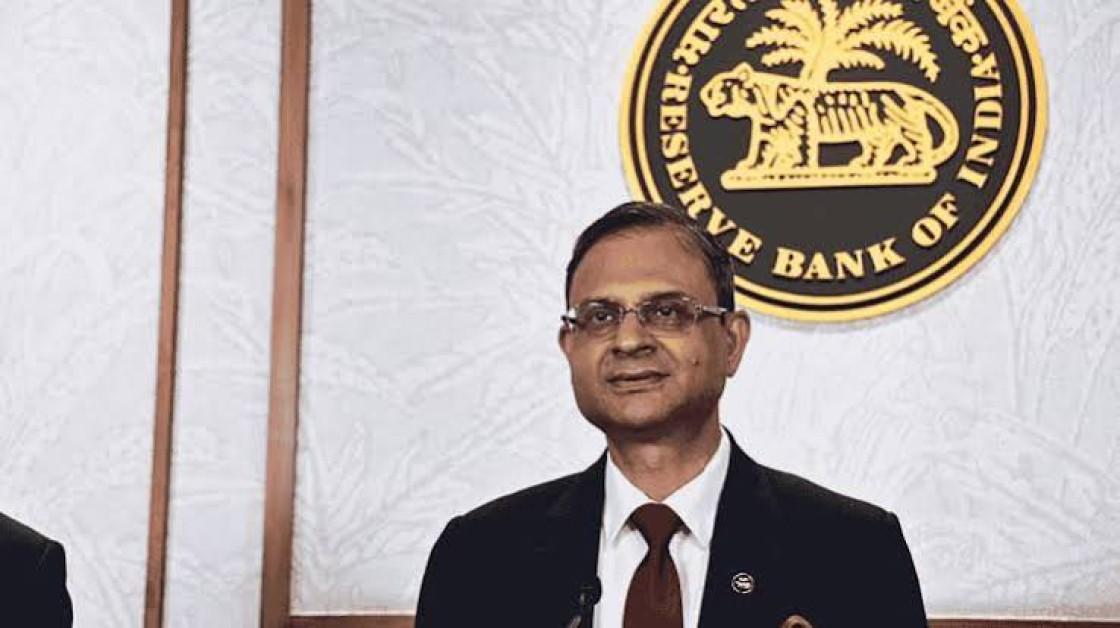
RBI Expected to Keep Policy Rate Unchanged Through 2026
The Reserve Bank of India (RBI) is widely expected to maintain its benchmark policy rate through 2026 as policymakers balance moderating inflation with the need to support economic growth amid an uncertain global environment.
Economists believe the central bank has entered a period of policy stability after successfully bringing inflation closer to its medium-term target while preserving India's position as one of the world's fastest-growing major economies. Although global uncertainties—including geopolitical tensions, volatile energy prices and evolving monetary policies among major central banks—continue to pose risks, the RBI is expected to remain cautious rather than pursue aggressive changes in interest rates.
A stable policy environment would provide greater certainty for businesses, borrowers and investors while allowing the RBI to respond flexibly if economic conditions change.
Stable Monetary Policy Remains the Base Case

Most economists expect the Monetary Policy Committee (MPC) to maintain the current repo rate throughout 2026 unless inflation or growth deviates significantly from expectations.
Keeping policy unchanged would support:
-
Financial market stability
-
Predictable borrowing costs
-
Business investment
-
Consumer confidence
-
Banking sector planning
-
Credit growth
-
Corporate financing
-
Economic expansion
A steady policy stance also allows the central bank to monitor incoming economic data before considering any future adjustments.
Inflation Has Moderated but Risks Persist
Inflation has eased from earlier peaks, providing policymakers with greater confidence that previous monetary tightening has had the desired effect.
However, the RBI continues monitoring several upside risks, including:
-
Food inflation
-
Crude oil prices
-
Global commodity costs
-
Weather-related disruptions
-
Supply-chain pressures
-
Imported inflation
-
Currency movements
-
Consumer inflation expectations
Maintaining price stability remains the central bank's primary objective.
Economic Growth Remains Resilient
India continues to outperform many major economies despite slowing global growth.
Key growth drivers include:
-
Domestic consumption
-
Infrastructure investment
-
Manufacturing expansion
-
Services sector growth
-
Government capital expenditure
-
Digital economy
-
Private investment
-
Financial sector strength
The RBI is expected to support sustainable growth without creating additional inflationary pressures.
Global Developments Continue to Influence Policy
International economic conditions remain an important consideration for the RBI.
The central bank continues monitoring:
-
U.S. Federal Reserve policy
-
Global inflation
-
Bond yields
-
Energy prices
-
Geopolitical tensions
-
Global trade
-
Currency markets
-
Capital flows
Changes in global financial conditions can influence borrowing costs, exchange rates and foreign investment into India.
Banking Sector Benefits From Policy Stability
A stable interest-rate environment allows banks to better manage lending and deposit strategies.
Commercial banks continue focusing on:
-
Retail lending
-
Corporate credit
-
Housing finance
-
MSME loans
-
Infrastructure financing
-
Agricultural credit
-
Deposit mobilisation
-
Asset quality
Predictable policy rates also support long-term business planning across the financial sector.
Credit Growth Remains Healthy
Loan demand continues across multiple segments of the economy.
Strong credit growth is supported by:
-
Consumer spending
-
Housing demand
-
Infrastructure projects
-
Manufacturing investment
-
Business expansion
-
Vehicle financing
-
Digital lending
-
Services sector activity
The RBI is expected to ensure sufficient liquidity while maintaining financial stability.
Rupee Stability Remains Important
The RBI continues to monitor developments in the foreign exchange market.
Important considerations include:
-
Foreign exchange reserves
-
Dollar movements
-
Oil import costs
-
Foreign portfolio investment
-
Current account balance
-
Currency volatility
-
External debt
-
Global capital flows
A stable rupee supports investor confidence while helping manage imported inflation.
Bond Markets Watch RBI Guidance
Government bond investors continue analysing the RBI's policy outlook for clues about future interest-rate movements.
Bond yields are influenced by:
-
Inflation expectations
-
Government borrowing
-
Liquidity conditions
-
Global bond markets
-
Fiscal policy
-
Economic growth
-
Foreign investment
-
Monetary policy guidance
Any shift in the RBI's communication could affect fixed-income markets even if policy rates remain unchanged.
Businesses Gain Planning Certainty
Stable monetary policy provides companies with greater confidence when making investment decisions.
Businesses benefit through:
-
Predictable financing costs
-
Capital expenditure planning
-
Expansion decisions
-
Working capital management
-
Infrastructure investment
-
Long-term borrowing
-
Cash-flow planning
-
Corporate budgeting
Lower uncertainty supports both domestic and foreign investment decisions.
Housing and Consumer Lending Remain Supported
Steady interest rates also help households plan major financial commitments.
Consumers continue accessing credit for:
-
Home purchases
-
Vehicle loans
-
Education financing
-
Personal loans
-
Consumer durables
-
Small business financing
-
Home improvements
-
Digital credit products
Stable borrowing costs encourage continued economic activity while supporting financial discipline.
Financial Markets Focus on RBI Commentary
Investors will closely examine the RBI's communication for signals regarding future policy direction.
Key areas of interest include:
-
Inflation outlook
-
Growth projections
-
Liquidity management
-
Banking system health
-
External risks
-
Fiscal developments
-
Currency stability
-
Credit conditions
The tone of the policy statement often influences market sentiment more than the interest-rate decision itself.
Risks That Could Influence Policy
Although policy stability is the current expectation, several developments could alter the RBI's outlook.
These include:
-
Higher crude oil prices
-
Persistent food inflation
-
Geopolitical conflicts
-
Global financial volatility
-
Slower domestic growth
-
Currency depreciation
-
Supply-chain disruptions
-
Extreme weather events
-
Commodity-price shocks
-
Changes in global monetary policy
The RBI is expected to remain data-dependent when responding to these evolving risks.
What Investors Should Watch
Market participants should continue monitoring:
-
RBI policy statements
-
Inflation data
-
GDP growth
-
Banking credit
-
Government borrowing
-
Bond yields
-
Rupee movements
-
Foreign investment flows
-
Liquidity conditions
-
Global central bank decisions
These indicators will provide important signals regarding India's monetary policy outlook.
Outlook
The RBI is expected to maintain a cautious and balanced approach through 2026, prioritising inflation control while supporting sustainable economic growth.
With inflation moderating and domestic demand remaining relatively resilient, policymakers are likely to favour stability over frequent policy changes.
Future decisions will continue to depend on incoming economic data, global developments and evolving inflation dynamics.
Conclusion
Economists broadly expect the Reserve Bank of India to keep the policy rate unchanged through 2026 as the central bank balances stable inflation, resilient economic growth and an uncertain global environment.
A steady interest-rate framework would provide greater confidence for businesses, households and financial markets while allowing policymakers to respond if external conditions deteriorate.
Although risks from energy prices, global monetary policy and geopolitical developments remain, the RBI is expected to continue emphasising stability, flexibility and data-driven decision-making as it guides the Indian economy through the next phase of growth.
 RBI Expected to Hold Policy Rate Steady Through 2026 FAQs
POST A COMMENT (0)
All Comments (0)
Replies (0)