





By Naina, 5th June 2026
VinFast's electric ride-hailing arm Green SM has officially entered the Indian market, launching its all-electric taxi service in the Delhi-NCR region on World Environment Day, the 5th of June 2026, marking one of the most consequential entries into the Indian app-based mobility sector by a vertically integrated electric mobility player in modern Indian transportation history. For most of the modern history of Indian ride-hailing, the operational architecture of the category was dominated by the established duopoly of Ola and Uber, with the broader range of additional ride-hailing platforms operating in peripheral positions across specific city markets or specific service categories. The traditional Indian ride-hailing model, anchored on the aggregation of drivers operating personally-owned vehicles across multiple fuel categories, has progressively been complemented by the rising significance of electric vehicle ride-hailing as the broader Indian electric mobility transition has accelerated. That description has become progressively inadequate to capture the reality of the present moment. Green SM, backed by VinFast and the broader Vingroup ecosystem, has entered India with a fundamentally distinctive operational architecture in which the ride-hailing platform deploys exclusively VinFast electric vehicles, providing a fully integrated electric mobility offering that earlier generations of Indian ride-hailing could not have approached.
What sits beneath this operational launch is a deeper transformation in how the Indian ride-hailing category is being progressively rebuilt around electric vehicle integration, the broader range of competitive dynamics affecting the category and the cumulative impact on the broader Indian urban mobility landscape. The combination of Green SM's vertically integrated electric ride-hailing model, the broader VinFast manufacturing presence in India through its Tamil Nadu manufacturing facility, the rising integration of Indian electric mobility infrastructure into the ride-hailing category and the cumulative impact on the broader Indian urban transportation landscape has produced a market entry that has progressively rebuilt the operational architecture of contemporary Indian ride-hailing. The decisions being made now, in the operational execution of Green SM's India launch, in the broader competitive response from established Indian ride-hailing players and in the cumulative range of strategic positioning affecting Indian electric mobility, will shape the trajectory of Indian ride-hailing and urban electric mobility for the next generation.
The Strategic Entry
The strategic entry of Green SM into India has reflected the broader Vingroup commitment to building integrated electric mobility positioning across emerging Asian markets. Green SM, formally known as Green and Smart Mobility Joint Stock Company (GSM), was established in 2023 by VinFast founder Pham Nhat Vuong, and the company has progressively built operational presence across Vietnam, Malaysia, the Philippines and Indonesia through its dedicated booking platform. The expansion into India represents one of the most consequential market entries for Green SM, given the scale of the Indian ride-hailing market and the broader significance of India in the global electric mobility transition.
The strategic significance of the Green SM India entry extends well beyond the immediate ride-hailing competition. The combination of the broader VinFast manufacturing presence in India through the Thoothukudi, Tamil Nadu manufacturing facility, the rising significance of VinFast's passenger vehicle activity in India through the VF 6, VF 7 and VF MPV 7 models, the broader integration of Green SM with the VinFast vehicle architecture and the cumulative impact on VinFast's broader Indian positioning has reflected a fundamentally integrated strategic approach. The combination of vehicle manufacturing, passenger vehicle sales and ride-hailing operations has produced a vertically integrated electric mobility positioning that earlier generations of Indian automotive activity could not have approached.
The broader Vingroup ecosystem positioning has been particularly consequential. The combination of Vingroup's diversified business portfolio, the broader integration of Green SM with the wider Vingroup ecosystem and the cumulative impact on Green SM's institutional positioning has provided Green SM with operational support that few comparable ride-hailing entrants could match. The continued evolution of the Vingroup positioning in India, alongside the broader range of supporting strategic initiatives, will continue to shape the broader Green SM trajectory.
The Operational Architecture
The operational architecture of Green SM's India launch has reflected the distinctive vertically integrated approach. For its India operations, Green SM will deploy exclusively VinFast electric vehicles, with the primary model being the Limo Green MPV, a fleet-focused derivative of the VinFast VF MPV 7. The combination of the fleet-specific vehicle model, the broader integration of vehicle manufacturing with ride-hailing operations and the cumulative impact on operational economics has produced an operational architecture that earlier generations of Indian ride-hailing could not have approached.
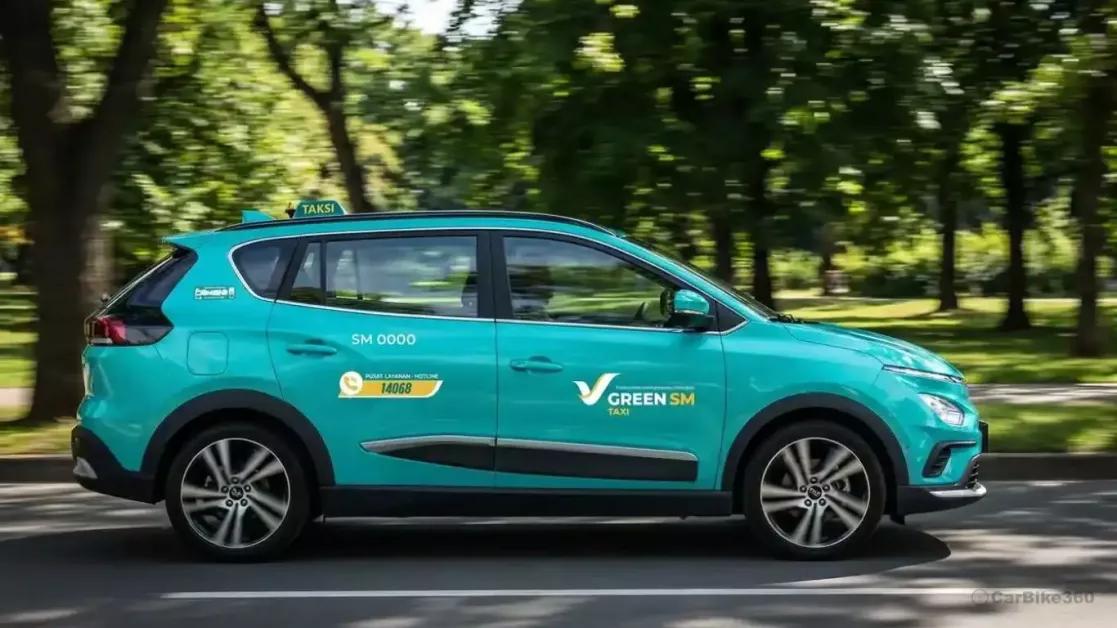
The Limo Green MPV dimension has been particularly consequential. According to VinFast India CEO Tapan Kumar Ghosh, the Limo Green will share the VF MPV 7's 60.13 kWh battery pack but will receive separate certification for commercial fleet usage in India. The Limo Green will have different badges and logos than the VF MPV 7, as well as fewer features tailored to the fleet operational requirements. The fleet-oriented MPV has been spied with Cyan paint job and Green SM branding with steel wheels and covers, reflecting the broader fleet-specific operational positioning. The vehicle is expected to have a seven-seat layout suitable for the Indian fleet ride-hailing market.
The broader fleet expansion has reflected significant operational ambition. Green SM plans to deploy approximately 1,000 electric cabs initially in Delhi-NCR, with ambitions to scale the fleet to 15,000 vehicles by the end of the year. The combination of the initial deployment scale, the broader expansion ambition and the cumulative impact on the Indian ride-hailing landscape has reflected the broader strategic significance of the Green SM India entry. The continued evolution of the fleet expansion, alongside the broader operational execution requirements, will be central to the broader Green SM trajectory in India.
The Geographic Strategy
The geographic strategy of Green SM's India launch has reflected a disciplined market entry approach. The launch has commenced with Delhi-NCR as the principal initial market, with Gurugram and the broader Delhi-NCR region serving as the operational base. The combination of the Delhi-NCR market's scale, the broader significance of Delhi-NCR in the Indian ride-hailing ecosystem and the cumulative impact on Green SM's operational positioning has reflected the strategic logic of the launch geography.
The subsequent expansion has reflected ambitious geographic positioning. The first phase will focus on Delhi-NCR, followed by expansion to cities including Bengaluru and Hyderabad, and Green SM intends to eventually build a much larger electric taxi network across major Indian cities. The combination of the broader geographic expansion ambition, the rising significance of multi-city presence in the Indian ride-hailing ecosystem and the cumulative impact on Green SM's broader Indian positioning has reflected the broader strategic significance of the geographic strategy.
The metropolitan focus has been particularly consequential. The combination of the focus on India's largest metropolitan markets, the broader significance of these markets in shaping Indian ride-hailing patterns and the cumulative impact on Green SM's operational positioning has reflected the strategic logic of focusing on the largest addressable urban markets. The continued evolution of the geographic strategy, alongside the broader operational execution capability, will be central to the broader Green SM trajectory.
The Competitive Landscape
The competitive landscape facing Green SM in India has been one of the most consequential dimensions of the broader market entry. The Indian ride-hailing market is largely dominated by Ola and Uber, with these established platforms having built comprehensive operational positioning across the broader Indian ride-hailing landscape. The combination of the established competitive dynamics, the broader operational advantages of the incumbent platforms and the cumulative impact on the competitive environment has produced competitive conditions that require careful navigation.
The strategic positioning of Green SM relative to the established incumbents has been distinctive. The combination of Green SM's fully electric fleet positioning, the broader vertically integrated business model and the cumulative differentiation that this provides has positioned Green SM as a distinctively positioned new entrant in the broader Indian ride-hailing landscape. The continued evolution of Green SM's competitive positioning, alongside the broader competitive response from established players, will be central to the broader Green SM trajectory.
The rising significance of electric vehicle ride-hailing has created favourable conditions for the broader Green SM positioning. The EV-only ride-hailing segment has witnessed renewed interest, creating an opportunity for new entrants in the urban mobility space. The combination of the rising consumer preference for electric vehicle ride-hailing, the broader regulatory environment supporting electric mobility and the cumulative impact on the addressable electric ride-hailing market has produced market conditions that have supported the broader Green SM entry.
The broader Indian electric ride-hailing context has continued to develop. The combination of BluSmart's earlier positioning in Indian electric ride-hailing and its subsequent operational challenges, the broader range of fleet electric mobility initiatives by established platforms including Ola Electric and the rising significance of electric mobility across the broader Indian ride-hailing landscape has produced a competitive context that Green SM must navigate. The continued evolution of the electric ride-hailing competitive dynamics will continue to shape the broader Green SM trajectory.
The VinFast India Context
The VinFast India context has been one of the most consequential dimensions of the broader Green SM India entry. VinFast has progressively built its Indian presence through the launch of the VF 6, VF 7 and VF MPV 7 models, the establishment of manufacturing capability at the Thoothukudi, Tamil Nadu facility and the broader range of supporting strategic initiatives. The combination of the broader VinFast India positioning, the rising significance of VinFast in the Indian electric vehicle landscape and the cumulative impact on VinFast's broader Indian strategy has provided the operational foundation that Green SM's India entry has built on.
VinFast has quickly emerged as one of the leading electric vehicle brands in India, even surpassing Hyundai Motor India in EV sales. The combination of the rising VinFast EV sales performance, the broader maturation of VinFast's India operations and the cumulative impact on VinFast's broader Indian positioning has reinforced the strategic significance of the Green SM India entry. The continued evolution of VinFast's broader Indian operations, alongside the Green SM ride-hailing operations, will be central to the broader VinFast Indian trajectory.
The broader VinFast strategic positioning in India has reflected a comprehensive electric mobility approach. Beyond electric cars and taxi services, VinFast is also evaluating the introduction of its electric scooter range in India. With demand for electric two-wheelers growing rapidly due to rising fuel prices and increasing urban adoption, the company sees significant opportunity to expand its footprint. The combination of the comprehensive electric mobility positioning, the broader integration across multiple electric vehicle categories and the cumulative impact on VinFast's Indian strategy has reflected the strategic significance of the broader VinFast positioning.
The Indian Electric Mobility Context
The Indian electric mobility context has provided supportive conditions for the broader Green SM India entry. The combination of the rising significance of electric mobility in Indian transportation policy, the broader expansion of electric vehicle charging infrastructure, the rising consumer adoption of electric vehicles across multiple categories and the cumulative impact on the Indian electric mobility landscape has produced conditions that have supported the broader electric ride-hailing entry.
The Indian electric vehicle charging infrastructure has continued to develop. The combination of the broader expansion of public charging infrastructure, the rising significance of fast charging capability and the cumulative impact on the operational viability of electric ride-hailing has progressively addressed the charging infrastructure challenges that earlier generations of Indian electric mobility faced. The continued evolution of charging infrastructure, alongside the broader integration of Green SM's own charging support, will be central to the broader Green SM operational sustainability.
The broader Indian electric mobility policy framework has continued to support the broader category. The combination of FAME India scheme support for electric vehicles, the broader range of state-level electric mobility policies, the rising significance of electric mobility in the broader Indian energy transition and the cumulative impact on the Indian electric mobility landscape has produced policy conditions that have supported the broader electric ride-hailing entry. The continued evolution of Indian electric mobility policy will continue to shape the broader Green SM trajectory.
The Driver Engagement Model
The driver engagement model for Green SM in India has been one of the most consequential dimensions of the broader operational architecture. While the broader details of the Indian driver engagement model continue to develop, the broader VinFast approach in other Southeast Asian markets has reflected innovative driver engagement frameworks. VinFast has previously announced expansion of its electric vehicle access model for ride-hailing drivers in Indonesia and the Philippines, adding rental options with incentives to make it easier for drivers to switch to electric vehicles.
The strategic significance of the driver engagement model extends beyond the immediate operational considerations. The combination of the broader range of driver engagement frameworks that Green SM may deploy in India, the rising significance of driver welfare considerations in the Indian ride-hailing landscape and the cumulative impact on the broader Indian ride-hailing driver ecosystem has produced driver engagement dynamics that require active management. The continued evolution of the Green SM driver engagement model in India, alongside the broader regulatory framework affecting gig workers under the new Labour Codes, will be central to the broader Green SM operational architecture.
The Customer Experience Positioning
The customer experience positioning for Green SM in India has reflected the distinctive vertically integrated approach. The combination of the consistent vehicle quality across the entire Green SM fleet, the broader integration of digital booking and payment infrastructure and the cumulative impact on customer experience has positioned Green SM to offer a distinctively integrated customer experience.
The strategic significance of the customer experience positioning extends beyond the immediate operational benefits. The combination of the broader differentiation through vehicle consistency, the rising significance of customer experience in the broader Indian ride-hailing landscape and the cumulative impact on customer acquisition and retention has reflected the strategic logic of the Green SM customer experience approach. The continued evolution of the customer experience positioning, alongside the broader operational execution requirements, will be central to the broader Green SM trajectory.
The Environmental and Sustainability Positioning
The environmental and sustainability positioning of Green SM has been one of the most consequential dimensions of the broader strategic positioning. The combination of the all-electric fleet, the broader integration of environmental considerations into Green SM's strategic positioning and the cumulative impact on the Indian environmental landscape has positioned Green SM as one of the most consequential environmental positioning ride-hailing entrants in India.
The launch on World Environment Day, the 5th of June 2026, has reinforced the broader environmental positioning. The combination of the symbolic significance of the World Environment Day launch, the broader integration of environmental messaging into Green SM's market entry and the cumulative impact on the broader Green SM positioning has reflected the strategic significance of the environmental approach. The continued evolution of Green SM's environmental positioning will continue to shape the broader market positioning.
The Risks and the Frictions
Several risks warrant clear recognition. The first is the competitive intensity dimension. The intense competition from Ola, Uber and the broader range of Indian ride-hailing players has produced competitive pressure that affects Green SM's market positioning. The risk that the competitive dynamics could intensify, that specific competitors could capture rising market share or that the broader competitive environment could shift unfavourably has been a significant consideration.
The second risk is the operational scale dimension. The ambitious operational scaling targets, including the deployment of 15,000 vehicles by the end of the year, require substantial operational execution capability. The risk that operational scaling could outpace the broader operational infrastructure, that the broader execution challenges could affect Green SM's positioning or that the cumulative operational challenges could constrain the broader trajectory has been a significant consideration.
The third risk is the unit economics dimension. The fleet-based electric ride-hailing model produces distinctive unit economics that affect the broader operational sustainability. The risk that the unit economics may not match institutional expectations, that the broader operational economics may shift unfavourably or that the cumulative impact of unit economics challenges could affect the broader sustainability has been a significant consideration.
The fourth risk is the regulatory dimension. The continued evolution of regulatory frameworks affecting Indian ride-hailing, including across labour regulations, electric mobility policy and the broader range of operational regulations, has produced regulatory considerations that require active management.
The Direction of Travel
VinFast's Green SM EV ride-hailing entry into India represents one of the most consequential market entries in the Indian electric mobility landscape of the present cycle. The combination of the vertically integrated electric mobility model, the broader VinFast manufacturing presence in India, the ambitious operational scaling targets, the distinctive competitive positioning and the cumulative impact on the broader Indian electric ride-hailing landscape has produced a market entry that has progressively rebuilt the operational architecture of contemporary Indian ride-hailing. The implications run through every dimension of Indian urban mobility, of the broader Indian electric mobility transition and of the cumulative architecture of contemporary Indian transportation activity.
For India specifically, the Green SM market entry carries significant implications. The country's combination of the rising significance of electric mobility in Indian transportation policy, the broader expansion of electric vehicle infrastructure, the rising consumer adoption of electric vehicles and the cumulative impact on the Indian electric mobility landscape has produced market conditions that have supported the broader Green SM entry. The continued evolution of Indian electric mobility, alongside the broader Green SM operational execution, will continue to shape the broader Indian electric ride-hailing landscape.
The longer-term implications extend beyond the immediate ride-hailing competition. The Green SM market entry represents one of the most consequential demonstrations of the vertically integrated electric mobility model in the broader global electric transportation landscape. The traditional ride-hailing model, anchored on the aggregation of independent drivers operating personally-owned vehicles, has been progressively complemented by integrated models in which ride-hailing platforms deploy specifically designed fleet electric vehicles. The implications for the broader Indian ride-hailing landscape, for the cumulative architecture of Indian electric mobility and for the broader trajectory of Indian urban transportation have been substantial.
The decisions being made now, in the operational execution of Green SM's India launch, in the broader competitive response from established Indian ride-hailing players, in the cumulative range of strategic positioning decisions and in the broader stakeholder engagement with the Indian electric mobility transition, will shape the trajectory of Indian ride-hailing and urban electric mobility for the next generation. The Green SM India entry is no longer a future possibility. It has commenced operations on World Environment Day 2026 in Delhi-NCR and is progressing rapidly toward the broader operational expansion. The transformation has begun. The structural change in Indian ride-hailing is real. The implications, for Indian consumers, for the broader Indian electric mobility landscape and for the cumulative architecture of contemporary Indian urban transportation, will continue to develop through the rest of the present year and beyond.
The VinFast Green SM India entry represents one of the most consequential market entries in the broader Indian electric mobility landscape of the present generation, and its continued operational execution will progressively reshape the Indian ride-hailing and urban electric mobility landscape. The work of building the Green SM India operations continues, and the next chapter of the broader Indian electric ride-hailing transformation is being written, in real time, in the operational deployment of Limo Green MPVs across Delhi-NCR, in the broader scaling of Green SM operations across additional Indian cities, in the cumulative competitive response from established Indian ride-hailing players and in the broader range of strategic decisions that will shape the Indian electric ride-hailing landscape through the rest of the present year and beyond. The Green SM India entry has emerged as one of the most consequential dimensions of contemporary Indian electric mobility activity, and its continued development will reshape the broader trajectory of Indian ride-hailing, the cumulative architecture of Indian urban electric mobility and the broader Indian positioning in the global electric transportation transformation for the generation to come.
 Related News
POST A COMMENT (0)
All Comments (0)
Replies (0)