What Is UX Design? User Experience Design Explained
User Experience (UX) Design is the process of designing digital products, websites, applications, and services to provide users with meaningful, efficient, and enjoyable experiences. UX design focuses on understanding user needs, solving problems, and ensuring that products are easy to use, accessible, and effective.
Whether you're using a mobile banking app, shopping online, booking a flight, or reading the news, UX design influences how smoothly and intuitively you complete each task.
What Is UX Design?

UX design is the practice of creating products and services that are useful, usable, accessible, and satisfying for the people who use them.
How UX Design Works
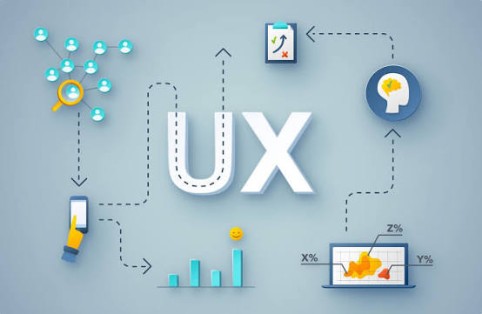
UX designers research user needs, define problems, create user journeys, build wireframes and prototypes, test designs with users, and refine the experience based on feedback. The goal is to ensure that users can achieve their objectives with minimal effort and frustration.
UX design combines research, psychology, design thinking, information architecture, and usability principles to improve digital experiences.
Why UX Design Matters
Good UX design increases customer satisfaction, improves product usability, reduces user errors, strengthens brand loyalty, and supports business success.
Key Principles of UX Design
Successful UX design is based on several core principles.
User-Centered Design
Every design decision should focus on user needs, behaviors, and expectations.
Usability
Products should be easy to learn, efficient to use, and simple to navigate.
Accessibility
Digital products should be usable by people with diverse abilities and disabilities.
Consistency
Layouts, navigation, terminology, and interactions should remain consistent throughout the product.
Simplicity
Interfaces should eliminate unnecessary complexity while helping users complete tasks efficiently.
The UX Design Process
UX design typically follows a structured workflow.
User Research
Designers gather information through interviews, surveys, analytics, observations, and usability studies.
Define the Problem
Research findings are analyzed to identify user needs and design challenges.
Information Architecture
Content and navigation are organized so users can easily find what they need.
Wireframing
Basic page layouts are created to plan structure and functionality.
Prototyping
Interactive models allow teams to test ideas before development begins.
Usability Testing
Real users evaluate prototypes, helping designers identify and resolve usability issues.
Iteration
Designs are continuously refined based on user feedback and testing results.
Common UX Design Deliverables
UX designers produce various design assets.
User Personas
Profiles representing different types of target users.
User Journey Maps
Visual representations of how users interact with a product from start to finish.
Wireframes
Low-fidelity layouts that define page structure and content placement.
Interactive Prototypes
Clickable models used for testing and demonstration.
User Flows
Diagrams showing the steps users take to accomplish specific tasks.
Benefits of UX Design
UX design offers significant advantages.
Better User Satisfaction
Easy-to-use products create more enjoyable experiences.
Higher Customer Retention
Satisfied users are more likely to continue using a product or service.
Increased Conversions
Improved usability can help users complete purchases, registrations, or other desired actions.
Lower Development Costs
Identifying usability issues early reduces expensive changes after development.
Stronger Brand Reputation
Positive user experiences improve trust and customer loyalty.
UX Design vs. UI Design
Although closely related, UX and UI design have different roles.
UX Design
Focuses on the overall experience, usability, user research, workflows, and problem-solving.
UI Design
Focuses on the visual interface, including colors, typography, buttons, icons, spacing, and interactive elements.
UX determines how a product works, while UI determines how it looks and feels. Successful digital products typically require both disciplines working together.
Challenges of UX Design
Despite its importance, UX design presents several challenges.
Understanding Diverse Users
Different users have different goals, preferences, abilities, and expectations.
Balancing Business and User Needs
Design solutions should satisfy both customer requirements and organizational objectives.
Evolving Technology
Designers must adapt to new devices, platforms, interaction methods, and accessibility standards.
Continuous Improvement
User expectations change over time, requiring ongoing research and design updates.
Best Practices for UX Design
Organizations should follow these recommendations.
Research Before Designing
Understand users before creating solutions.
Design for Accessibility
Ensure products are usable by as many people as possible.
Test Frequently
Validate design decisions through regular usability testing.
Keep Interfaces Simple
Reduce unnecessary complexity and cognitive load.
Use Data and Feedback
Continuously improve the user experience based on analytics and user input.
Future of UX Design
UX design continues to evolve through Artificial Intelligence, voice interfaces, Augmented Reality (AR), Virtual Reality (VR), Mixed Reality (MR), wearable technology, and spatial computing. AI-powered design tools assist with research, interface generation, accessibility improvements, and personalization. As digital products become more intelligent and immersive, UX designers will increasingly focus on creating seamless experiences across multiple devices, platforms, and interaction methods.
Conclusion
UX design plays a critical role in creating digital products that are intuitive, efficient, and enjoyable to use. By combining user research, usability principles, accessibility, and iterative testing, UX designers help ensure that websites, applications, and digital services meet user needs while supporting business goals. As technology continues to evolve, UX design will remain one of the most important disciplines in software development and digital innovation.