





What Is a Progressive Web App (PWA)? How It Works, Benefits and Examples
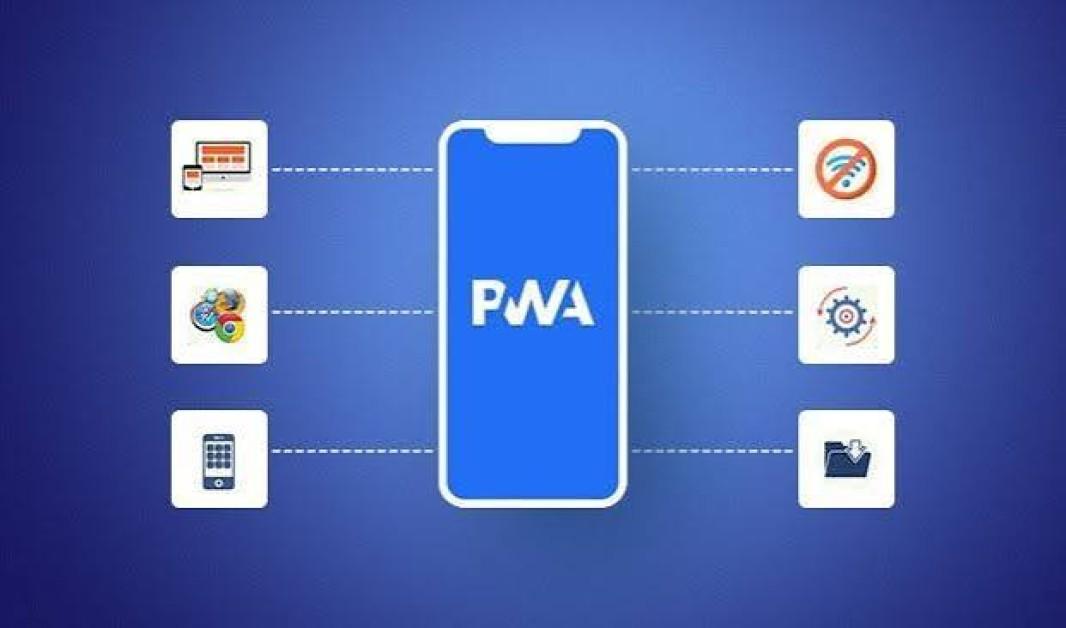
A Progressive Web App (PWA) is a web application that combines the accessibility of a website with many of the features of a native mobile app. Built using standard web technologies such as HTML, CSS, and JavaScript, a PWA can run in a web browser while offering app-like capabilities such as offline access, push notifications, fast loading, and installation on a device's home screen.
PWAs help businesses provide a consistent user experience across desktops, smartphones, and tablets without maintaining separate applications for every platform.
What Is a Progressive Web App (PWA)?

A Progressive Web App is a website enhanced with modern web technologies that allow it to behave like a mobile application while remaining accessible through a web browser.
How a Progressive Web App Works
A PWA uses technologies such as service workers, a web app manifest, and secure HTTPS connections to deliver app-like functionality. Service workers cache resources and enable certain features to continue working offline or under limited network conditions. The web app manifest provides information about the app's name, icons, colors, and display settings, allowing users to install the PWA on supported devices.
Why PWAs Matter
PWAs provide fast, reliable, and engaging user experiences while reducing development and maintenance costs compared with building separate native applications for multiple operating systems.
Key Components of a Progressive Web App
Several technologies make PWAs possible.
Service Workers
Background scripts that cache resources, manage network requests, and enable offline functionality and other capabilities.
Web App Manifest
A configuration file that defines how the application appears when installed on a user's device.
HTTPS
Secure communication protects data exchanged between users and the application.
Responsive Design
PWAs automatically adapt to different screen sizes and device types.
Browser APIs
Modern browser capabilities allow PWAs to access features such as notifications, background synchronization, and device storage where supported.
Key Features of PWAs
Progressive Web Apps include several app-like capabilities.
Installable
Users can add a PWA to the home screen without visiting a traditional app store on supported platforms.
Offline Support
Previously cached content and selected functionality can remain available even without an internet connection.
Fast Performance
Cached resources help reduce loading times and improve responsiveness.
Push Notifications
PWAs can send notifications to users on supported browsers and operating systems.
Automatic Updates
Users typically receive the latest version when the application is refreshed, eliminating many manual update steps.
Common Applications of PWAs
PWAs are used across many industries.
E-Commerce
Online stores provide faster shopping experiences with offline browsing capabilities for selected content.
News Websites
Readers can access articles more quickly and continue reading previously cached content when offline.
Social Media
Web-based social platforms deliver app-like interactions without requiring large downloads.
Education
Learning platforms offer accessible online courses and educational content across devices.
Business Applications
Organizations deploy internal dashboards, employee portals, and productivity tools as PWAs.
Travel and Hospitality
Travel companies provide booking systems, itineraries, and customer services through installable web applications.
Benefits of Progressive Web Apps
PWAs offer numerous advantages.
Cross-Platform Compatibility
A single application works across multiple operating systems and devices through modern web browsers.
Lower Development Costs
Organizations maintain one codebase instead of separate Android and iOS applications in many cases.
Improved User Experience
Fast loading and responsive interfaces increase user engagement.
Better Accessibility
Users can access the application immediately through a browser without a lengthy installation process.
Reduced Storage Usage
PWAs generally require less device storage than many native mobile applications.
Limitations of Progressive Web Apps
Despite their benefits, PWAs have some limitations.
Limited Hardware Access
Access to certain device features may be more restricted than in native applications, depending on the browser and operating system.
Platform Differences
Feature support varies across browsers and mobile operating systems.
App Store Presence
Although some app stores support PWAs, many are primarily accessed through web browsers rather than traditional app marketplaces.
Performance Constraints
Highly graphics-intensive or hardware-dependent applications may perform better as native apps.
Progressive Web Apps vs. Native Apps
These technologies serve similar purposes but differ in implementation.
Progressive Web Apps
- Run inside a web browser.
- Built using web technologies.
- Cross-platform from a single codebase.
- Often easier to maintain and update.
Native Mobile Apps
- Installed directly from app stores.
- Built specifically for Android or iOS.
- Provide deeper access to device hardware and operating system features.
- Often preferred for high-performance or hardware-intensive applications.
Best Practices for Building PWAs
Developers should follow these recommendations.
Use HTTPS
Always secure applications with encrypted connections.
Optimize Performance
Minimize loading times through caching, image optimization, and efficient coding.
Design for Mobile First
Ensure responsive layouts and intuitive touch interactions.
Test Across Browsers
Verify compatibility on multiple browsers, operating systems, and devices.
Provide Offline Functionality
Cache essential resources so users can continue accessing important features when connectivity is limited.
Future of Progressive Web Apps
Progressive Web Apps continue to evolve through faster browser engines, expanded browser APIs, Artificial Intelligence, 5G connectivity, cloud computing, and improved cross-platform support. As browsers gain broader access to device capabilities, PWAs are becoming increasingly capable of delivering experiences that closely resemble native applications. Many organizations are adopting PWAs to reduce development costs while reaching users across a wide range of devices.
Conclusion
Progressive Web Apps combine the flexibility of websites with many of the capabilities of native mobile applications, providing fast, secure, and installable digital experiences. By offering offline support, responsive performance, and cross-platform compatibility, PWAs help organizations deliver engaging applications while simplifying development and maintenance. As web technologies continue to advance, Progressive Web Apps are expected to play an increasingly important role in the future of mobile and web development.
 What Is a Progressive Web App (PWA)? Complete Guide Explained FAQs
POST A COMMENT (0)
All Comments (0)
Replies (0)