





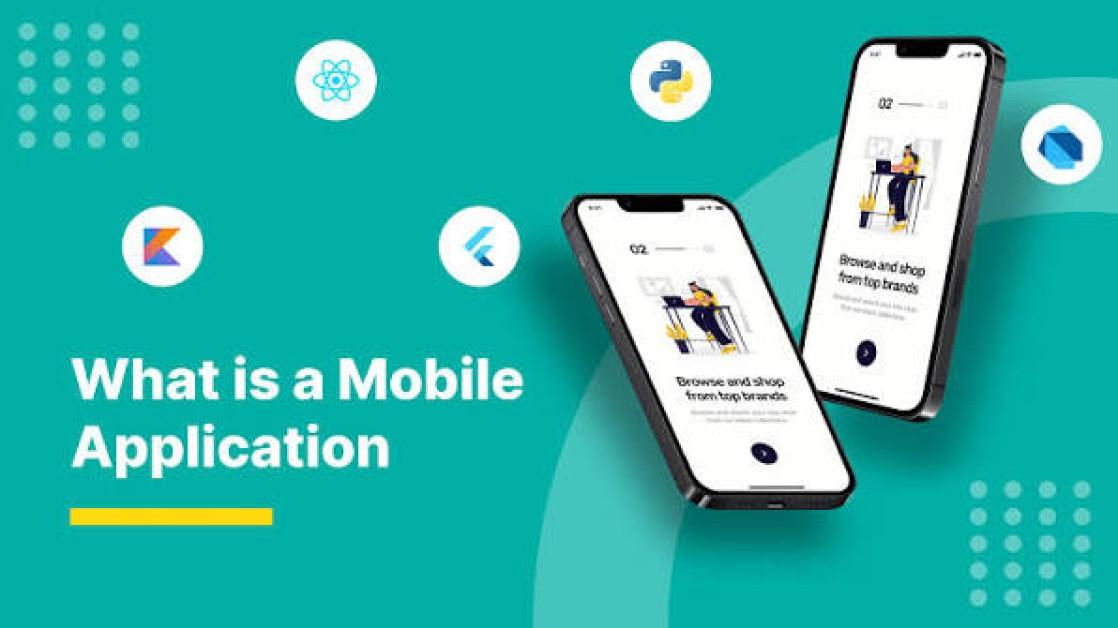
What Is a Mobile App? Types, How It Works and Benefits Explained
A mobile app (short for mobile application) is a software program designed to run on smartphones, tablets, smartwatches, and other mobile devices. Mobile apps enable users to perform a wide variety of tasks, including communication, shopping, banking, entertainment, education, fitness tracking, navigation, and business productivity.
Today, billions of people use mobile apps every day, making them one of the most important components of the digital economy.
What Is a Mobile App?

A mobile app is software specifically developed for mobile operating systems such as Android and iOS, allowing users to access digital services through portable devices.
How a Mobile App Works
A mobile app is installed on a device from an app store or other authorized distribution method. Depending on its design, the app may process information directly on the device, communicate with cloud servers over the internet, or use a combination of both. Many apps also access device features such as the camera, GPS, microphone, biometric authentication, notifications, and sensors to deliver interactive experiences.
Why Mobile Apps Matter
Mobile apps provide convenient, personalized, and always-available access to digital services, enabling users to accomplish tasks quickly from virtually anywhere.
Types of Mobile Apps
Different types of mobile apps are designed for different purposes.
Native Apps
Native apps are built specifically for one operating system, such as Android or iOS, offering high performance and full access to device features.
Web Apps
Web apps run inside a mobile web browser without requiring installation, although they generally have more limited access to device hardware.
Hybrid Apps
Hybrid apps combine web technologies with native capabilities, allowing a single codebase to support multiple operating systems.
Progressive Web Apps (PWAs)
PWAs are web applications that provide many app-like features, including offline functionality, home screen installation, and push notifications on supported platforms.
Key Components of a Mobile App
Several technologies work together inside a mobile application.
User Interface (UI)
The visual design through which users interact with the app.
Backend Services
Cloud servers manage user accounts, databases, authentication, and application logic for many apps.
Database
Stores user information, settings, transactions, and application data.
APIs
Application Programming Interfaces (APIs) enable communication between the app and external services.
Security Features
Encryption, authentication, and secure communication help protect user data and privacy.
Common Categories of Mobile Apps
Mobile apps serve nearly every industry.
Social Media
Apps enable communication, content sharing, and online communities.
Banking and Finance
Users can manage accounts, transfer funds, make payments, and monitor investments.
E-Commerce
Shopping apps allow customers to browse products, place orders, and track deliveries.
Healthcare
Medical apps support telemedicine, fitness tracking, appointment scheduling, and health monitoring.
Education
Learning platforms provide online courses, quizzes, language learning, and digital classrooms.
Entertainment
Streaming, gaming, music, and video applications deliver digital content on demand.
Business and Productivity
Organizations use apps for communication, project management, collaboration, and workflow automation.
Benefits of Mobile Apps
Mobile apps offer numerous advantages.
Convenience
Users can access services anytime using their mobile devices.
Better User Experience
Apps provide responsive interfaces optimized for touchscreens and mobile hardware.
Offline Access
Some apps continue functioning even without an internet connection.
Personalized Services
Apps can tailor recommendations, notifications, and settings to individual users.
Device Integration
Mobile apps can use cameras, GPS, sensors, biometrics, and other hardware features to enhance functionality.
Challenges of Mobile Apps
Despite their advantages, mobile apps present several considerations.
Security Risks
Poorly secured apps may expose sensitive user information or become targets for cyberattacks.
Platform Compatibility
Developers often need to support multiple operating systems and device types.
Maintenance
Apps require regular updates to fix bugs, improve security, and remain compatible with new operating system versions.
Storage Usage
Large applications may consume significant device storage and system resources.
Best Practices for Mobile App Development
Developers should follow these recommendations.
Focus on User Experience
Create intuitive interfaces with simple navigation and fast performance.
Prioritize Security
Protect user data through encryption, secure authentication, and regular security updates.
Optimize Performance
Reduce loading times and minimize battery and memory consumption.
Test Thoroughly
Verify compatibility across devices, screen sizes, and operating system versions.
Collect User Feedback
Regularly improve the application based on user reviews and analytics.
Mobile Apps vs. Mobile Websites
Although related, they serve different purposes.
Mobile App
Installed directly on a device, offering better performance, offline capabilities, and deeper access to device hardware.
Mobile Website
Accessed through a web browser without installation, making it easier to update and accessible across multiple platforms.
Many organizations offer both a mobile website and a dedicated mobile app to meet different user needs.
Future of Mobile Apps
Mobile apps continue to evolve through Artificial Intelligence, 5G connectivity, cloud computing, edge computing, Augmented Reality (AR), Virtual Reality (VR), and wearable technology. AI-powered apps increasingly provide personalized recommendations, intelligent assistants, real-time translation, and advanced automation. As smartphones become more powerful and connected ecosystems expand, mobile apps will remain central to communication, commerce, healthcare, education, and digital entertainment.
Conclusion
Mobile apps have transformed how people interact with technology by delivering powerful digital services directly to smartphones and tablets. From banking and shopping to healthcare and education, mobile applications provide convenience, personalization, and mobility that have become essential in everyday life. As AI, cloud computing, and next-generation mobile networks continue to advance, mobile apps will play an even greater role in shaping the future of the digital economy.
 What Is a Mobile App? Complete Guide Explained in Detail FAQs
POST A COMMENT (0)
All Comments (0)
Replies (0)