What Is Natural Language Processing (NLP)? How It Works, Applications and Benefits
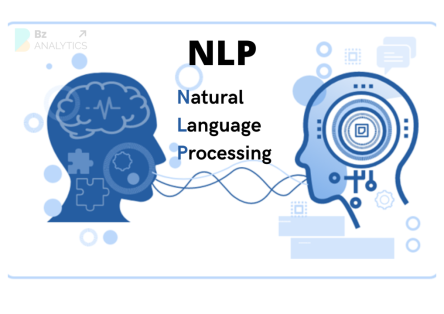
Natural Language Processing (NLP) is a branch of Artificial Intelligence (AI) that enables computers to understand, interpret, analyze, and generate human language. By combining computational linguistics with machine learning and deep learning techniques, NLP allows AI systems to process text and speech in ways that closely resemble human communication. Today, NLP powers search engines, virtual assistants, chatbots, translation services, sentiment analysis, and Large Language Models, making it one of the most important technologies driving intelligent digital experiences.
What Is Natural Language Processing (NLP)?
Natural Language Processing is an AI discipline focused on enabling computers to communicate with humans using natural language. Instead of relying on rigid commands, NLP allows machines to understand context, grammar, meaning, and intent within spoken or written language.
How NLP Works
NLP systems process language by breaking text into smaller components, analyzing grammar and sentence structure, identifying meaning, and applying machine learning models to interpret user intent. Modern NLP increasingly relies on transformer-based architectures to improve language understanding and response generation.
Why NLP Matters
Natural Language Processing bridges the gap between human communication and computer systems. It enables businesses to automate customer interactions, analyze large volumes of text, improve search capabilities, and deliver personalized digital experiences.
Key Components of Natural Language Processing
Several technologies work together to enable NLP systems to understand and process language effectively.
Tokenization and Language Processing
NLP begins by breaking sentences into tokens such as words or subwords. These tokens are analyzed to understand grammar, syntax, and relationships between different parts of a sentence.
Machine Learning and Deep Learning
Modern NLP systems use machine learning and deep learning models to recognize language patterns, understand context, classify information, and improve prediction accuracy over time.
Transformer Models
Transformer architectures have significantly advanced NLP by enabling AI systems to process entire sequences of text efficiently, supporting applications such as language translation, document summarization, conversational AI, and Large Language Models.
Applications of Natural Language Processing
Natural Language Processing has become an essential technology across multiple industries.
Virtual Assistants and Chatbots
Businesses use NLP-powered virtual assistants and chatbots to answer customer queries, automate support services, and provide personalized conversational experiences.
Language Translation
NLP enables real-time translation between multiple languages, helping organizations communicate effectively with global audiences.
Sentiment Analysis
Companies analyze customer reviews, social media conversations, and survey responses using NLP to understand customer opinions and improve products and services.
Healthcare and Enterprise Search
Healthcare organizations use NLP to analyze clinical records and medical literature, while enterprises apply it to intelligent document search, knowledge management, and information retrieval.
Benefits of Natural Language Processing
Natural Language Processing offers significant advantages for businesses and AI applications.
Improved Communication
NLP enables computers to understand and respond to human language more naturally, creating better user experiences across digital platforms.
Increased Efficiency
Organizations automate repetitive language-based tasks such as customer support, document analysis, and content classification, reducing operational costs and improving productivity.
Better Decision-Making
By extracting insights from unstructured text data, NLP helps businesses identify trends, understand customer behavior, and support data-driven decision-making.
Challenges of Natural Language Processing
Despite its rapid progress, NLP continues to face several challenges.
Language Complexity
Human language contains ambiguity, slang, idioms, sarcasm, and cultural variations that can make accurate interpretation difficult for AI systems.
Data Quality
NLP models depend on high-quality training data. Incomplete, biased, or inaccurate datasets can reduce model performance and affect output quality.
Privacy and Ethics
Organizations must ensure responsible handling of sensitive language data while addressing concerns related to privacy, fairness, bias, and regulatory compliance.
Future of Natural Language Processing
Natural Language Processing is expected to become even more sophisticated through advances in Large Language Models, multimodal AI, and transformer architectures. Future NLP systems will deliver improved contextual understanding, multilingual capabilities, real-time communication, and industry-specific applications across healthcare, finance, education, legal services, and enterprise technology. As AI adoption continues to grow, NLP will remain a core technology enabling seamless interaction between humans and intelligent systems.
Conclusion
Natural Language Processing has transformed the way humans interact with computers by enabling machines to understand and generate natural language. From virtual assistants and translation tools to enterprise search and conversational AI, NLP powers many of today's most widely used AI applications. As Artificial Intelligence continues to evolve, Natural Language Processing will play an increasingly important role in driving automation, improving communication, and delivering intelligent digital experiences across industries.