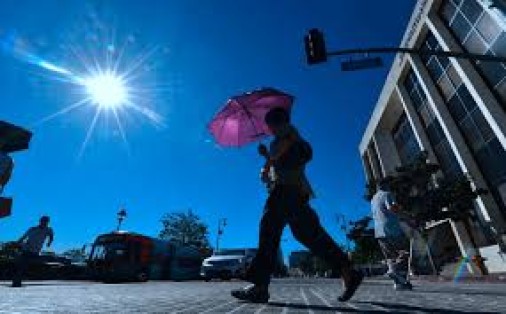
Southern California is currently battling through a stretch of hot and muggy conditions that have left residents seeking ways to cope with the uncomfortable weather. Temperatures across the region have been soaring well above seasonal averages, and unusually high humidity has added to the intensity, making the heat feel more oppressive than typical summer warmth in this part of the state. For many communities, the sticky conditions have been a reminder of the challenges that arise when dry heat gives way to a heavier, more tropical atmosphere.
Meteorologists attribute the current weather pattern to a combination of lingering high pressure and moisture pulled in from subtropical regions, which has created a humid blanket over much of Southern California. While the area is known for its arid, Mediterranean-style climate, episodes of tropical moisture are not uncommon during the late summer months. This surge of humidity, however, has made daily life more difficult for residents, who are used to relying on cooler evenings to provide respite from hot days. Instead, the damp air has kept nighttime temperatures elevated, leaving homes, businesses, and outdoor spaces uncomfortable.
The combination of heat and humidity has also had an impact on energy demand, as households increase air conditioning use to maintain livable indoor conditions. Local utilities have warned of potential strain on the power grid, reminding residents to conserve energy during peak hours to prevent outages. For those without reliable cooling systems, community centers and public cooling shelters have opened across several counties to provide relief, particularly for vulnerable populations such as seniors, young children, and individuals with underlying health conditions.
Public health experts have urged residents to take precautions during this period of uncomfortable weather. Hydration, limiting outdoor activities during peak heat, and monitoring for signs of heat exhaustion or heatstroke are critical steps to ensure safety. High humidity reduces the body’s ability to cool itself through sweating, making heat-related illnesses more likely in these conditions. Emergency departments have already reported a slight uptick in weather-related medical visits, a trend expected to continue until the weather stabilizes.
Despite the current discomfort, relief is on the horizon. Forecasts indicate that a shift in weather patterns will begin late Friday, as cooler ocean breezes and lower humidity gradually return to the region. By the weekend, temperatures are expected to moderate, and the heavy, muggy air will give way to more typical Southern California conditions. Meteorologists predict daytime highs will drop closer to seasonal norms, and evenings will once again feel cooler and more refreshing.
The anticipated break in weather comes as a welcome development for outdoor event organizers, sports teams, and families who have postponed plans due to the oppressive heat. Beaches, parks, and hiking trails are expected to see a surge of visitors over the weekend, as residents look forward to enjoying more comfortable conditions. Tourism officials also expect a boost, as the improved forecast aligns with peak travel days for holidaymakers seeking coastal escapes.
While Southern California’s climate is often seen as mild and predictable, episodes like the current hot and humid stretch serve as reminders of the region’s vulnerability to changing weather dynamics. Experts note that broader climate patterns, including ocean warming and atmospheric shifts, could make extreme humidity events more common in the future. This raises questions about long-term adaptation strategies, including infrastructure adjustments and public health planning, to better prepare communities for fluctuating conditions.
For now, residents are counting the days until the weekend relief arrives. With temperatures set to drop and humidity levels expected to ease, Southern Californians will soon be able to return to a more familiar balance of sunshine, warmth, and ocean-cooled evenings. The experience, however, underscores the importance of resilience and preparation, reminding everyone that even in a state famed for its near-perfect weather, nature can still deliver uncomfortable surprises.