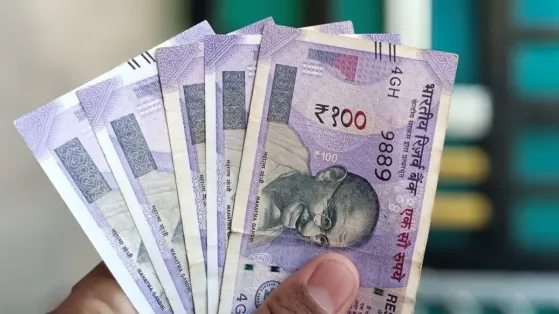
Indian Rupee Surges to Two-Month High on Strong Inflows and RBI Support
The Indian rupee advanced to a two-month high, trading near 87.63 per US dollar, reflecting renewed investor confidence and the stabilizing influence of the Reserve Bank of India (RBI). The currency’s appreciation comes amid strong foreign capital inflows, a resilient macroeconomic backdrop, and strategic interventions by the central bank aimed at maintaining exchange rate stability. This movement signals optimism for India’s financial markets while highlighting the ongoing interplay between domestic policy measures and global investor sentiment.
Foreign investment has played a central role in supporting the rupee’s rise. Portfolio inflows into equities and debt instruments have increased, reflecting international investors’ confidence in India’s economic trajectory and corporate earnings prospects. The inflows have helped offset external pressures from trade imbalances and global currency volatility, providing a cushion for the rupee against potential depreciation. Analysts note that sustained foreign participation is crucial for maintaining currency stability in emerging markets like India.
The Reserve Bank of India has also contributed to the rupee’s strengthening. Through a combination of market interventions and monetary policy signals, the RBI has signaled its commitment to curbing excessive volatility in the foreign exchange market. While the central bank has maintained a cautious stance regarding interest rates, its measures to support liquidity and stabilize the currency have reassured investors and traders. The coordinated effect of inflows and RBI action has reinforced the rupee’s value against the U.S. dollar.
Domestic economic indicators have further underpinned the rupee’s gains. India’s export sector continues to benefit from global demand, while imports, particularly of crude oil, have moderated, helping to ease pressure on the trade balance. A stable fiscal outlook, steady inflation, and consistent economic growth have contributed to investor confidence, creating favorable conditions for currency appreciation. Market participants view the rupee’s movement as a reflection of both macroeconomic strength and policy effectiveness.
Equity markets in India have responded positively to the rupee’s gains. A stronger currency reduces the cost of imports for domestic companies and enhances returns for foreign investors in local markets. Sectors such as technology, manufacturing, and pharmaceuticals, which rely heavily on imports for raw materials or capital goods, are likely to benefit from a stronger rupee. Analysts suggest that this could support further inflows into Indian equities, creating a reinforcing cycle of market optimism.
Global factors have also influenced the rupee’s trajectory. U.S. dollar weakness, combined with stabilizing trends in emerging market currencies, has provided additional support. Investors are closely monitoring U.S. inflation data and central bank policy decisions, which continue to affect capital flows into India. The interplay between global macroeconomic trends and domestic policy measures underscores the complexity of currency movements in a highly interconnected financial environment.
The appreciation of the rupee has broader implications for India’s economy. A stronger currency can help reduce inflationary pressures by lowering the cost of imported goods, particularly energy and raw materials. It also strengthens India’s external position, providing greater flexibility in managing foreign debt obligations and supporting fiscal stability. However, policymakers remain cautious, as an excessively strong currency could impact export competitiveness and affect domestic industries reliant on international markets.
Market participants have highlighted that maintaining a balance between currency strength and economic competitiveness will be critical in the coming months. While the current rupee appreciation reflects positive sentiment and policy effectiveness, India’s economic managers will need to remain vigilant regarding external shocks, trade dynamics, and capital flow volatility. Ensuring that the currency remains stable without undermining growth objectives will be a key challenge for the RBI and financial authorities.
Analysts also point to the potential impact of global geopolitical developments on the rupee. Trade tensions, commodity price fluctuations, and policy decisions by major economies can influence capital flows and investor sentiment. India’s proactive approach, combining market-friendly policies with strategic oversight by the central bank, positions the country to better manage such uncertainties and maintain currency stability in a dynamic global environment.
In conclusion, the Indian rupee’s rise to a two-month high near 87.63 per US dollar reflects a convergence of strong foreign inflows, supportive domestic policies, and careful intervention by the Reserve Bank of India. The currency’s appreciation signals confidence in India’s economic fundamentals and market resilience, while highlighting the importance of coordinated policy measures to navigate global financial volatility. As India continues to engage with international markets and implement economic reforms, maintaining a balanced, stable, and competitive currency will remain a critical priority for policymakers and investors alike.