





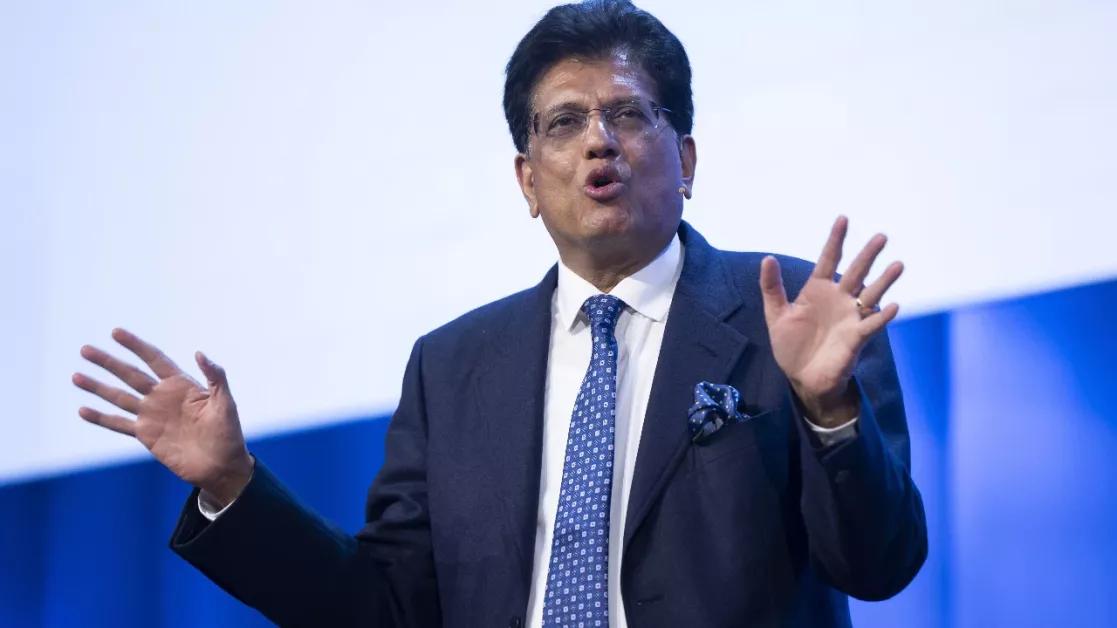
India Holds Steady on Trade Deals: Goyal Rejects Restrictive Terms
India’s approach to international trade is entering a period of strategic caution, as Commerce Minister Piyush Goyal emphasized that the country will not rush into signing new trade agreements. Speaking at a recent industry event, Goyal highlighted that India’s negotiations will prioritize national interests, and any deals containing restrictive conditions that compromise domestic priorities will be firmly rejected. This stance signals India’s intent to exercise greater control over its economic engagements amid a complex global trading environment.
Goyal’s comments come at a time when global trade dynamics are increasingly influenced by geopolitical tensions, supply chain disruptions, and shifting economic alliances. India, as one of the world’s fastest-growing economies, faces significant pressure to secure favorable trade arrangements while protecting domestic industries and employment. By insisting on measured and cautious negotiations, the Indian government aims to balance the benefits of globalization with the need to safeguard local economic interests.
One of the central messages from Goyal was that India seeks trade agreements that provide mutual benefit rather than unilateral advantage to partner countries. He stressed that restrictive conditions—such as forced market access limitations, excessive regulatory compliance, or provisions that disadvantage Indian producers—will not be acceptable. This reflects a broader policy philosophy that economic sovereignty and sustainable growth must guide international trade decisions.
India’s measured approach also aligns with its recent focus on strengthening domestic manufacturing through initiatives like “Make in India” and supporting micro, small, and medium enterprises (MSMEs). Ensuring that international trade agreements do not undermine domestic capacity is a key priority. Goyal indicated that the government will continue to negotiate in ways that encourage foreign investment and market access without compromising strategic sectors or exposing domestic industries to unfair competition.
The minister’s remarks have been welcomed by domestic industry groups, who often express concern over past trade agreements that may have favored foreign interests over local stakeholders. By asserting that India will scrutinize every deal carefully, Goyal signals to businesses that the government recognizes the importance of protecting domestic production, employment, and economic resilience. This stance is particularly relevant in sectors such as agriculture, manufacturing, and technology, where exposure to restrictive foreign conditions could have long-term consequences.
On the international stage, India’s position reflects a more assertive negotiation posture. Countries negotiating with India are likely to face stricter conditions to ensure fairness and reciprocity. Analysts suggest that this approach may slow down some ongoing trade discussions, but it also increases the likelihood that agreements will deliver tangible benefits for India. The emphasis on rejecting restrictive clauses sends a clear message that India values balanced partnerships over hasty or inequitable deals.
Goyal also linked this cautious approach to India’s broader economic strategy. With the global economy facing uncertainty from inflationary pressures, currency volatility, and shifting energy prices, entering trade agreements without comprehensive evaluation could expose India to unnecessary risks. By taking the time to evaluate potential deals carefully, the government seeks to enhance economic stability and strengthen India’s bargaining position in international forums.
Furthermore, India’s trade policy under Goyal is expected to focus on strategic sectors that align with national priorities. These include renewable energy, pharmaceuticals, digital technology, and advanced manufacturing. By leveraging trade agreements to boost investment and innovation in these areas, India aims to strengthen its global competitiveness while ensuring that domestic capacity is preserved. This selective and deliberate strategy underscores India’s commitment to long-term economic resilience rather than short-term gains.
The minister’s comments also carry diplomatic significance. By taking a principled stand, India asserts its sovereignty and demonstrates that it will not yield to external pressure. This approach could reshape its trade relationships with major partners, including the United States, European Union, and neighboring Asian economies. While careful negotiation may prolong discussions, it is likely to produce agreements that are more equitable, sustainable, and mutually beneficial.
Market analysts have noted that India’s cautious stance may influence investor confidence positively in the long term. Businesses and financial institutions value predictability and policy stability, and a clear commitment to negotiating only favorable trade agreements signals that India is prioritizing both economic growth and strategic interests. However, some observers caution that delays in signing agreements could temporarily limit export opportunities, highlighting the need for balance between careful scrutiny and timely action.
In conclusion, Commerce Minister Piyush Goyal’s remarks underscore India’s deliberate and principled approach to international trade. By rejecting restrictive conditions and emphasizing fair, mutually beneficial agreements, India aims to safeguard domestic industries, protect economic sovereignty, and enhance long-term growth. As trade negotiations continue, the government’s measured stance will likely influence both the pace and substance of international agreements, ensuring that India’s participation in the global economy strengthens national interests while maintaining strategic flexibility.
 Related News
POST A COMMENT (0)
All Comments (0)
Replies (0)