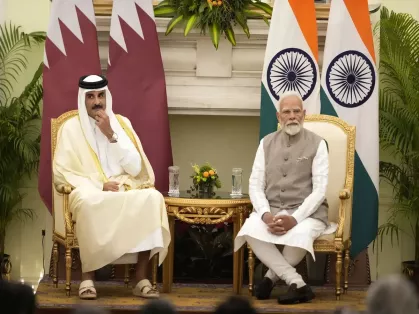
India is moving closer to finalizing a free trade agreement (FTA) with Qatar, with the terms of reference expected to be agreed upon in early October. The prospective deal is designed to deepen economic engagement between the two countries, promoting bilateral trade, investment, and cooperation across multiple sectors.
The timing of the agreement comes as India navigates the complexities of global trade, including rising tariffs imposed by the United States on various goods. By securing stronger trade ties with Qatar, India aims to diversify its export markets and enhance competitiveness for domestic industries, ranging from agriculture and energy to technology and manufacturing.
Qatar, a key player in the Gulf region, stands to benefit from greater access to India’s large consumer market. The FTA is expected to facilitate smoother trade flows, reduce tariffs on key commodities, and open avenues for joint ventures and investment opportunities. Analysts anticipate that energy, petrochemicals, and infrastructure projects will be among the sectors to see immediate benefits from closer economic collaboration.
Negotiators from both sides have emphasized that the agreement will be mutually beneficial, focusing on creating a framework that encourages sustainable economic growth and long-term trade stability. The FTA discussions include provisions on trade facilitation, dispute resolution, and regulatory harmonization, aimed at ensuring smoother business operations between Indian and Qatari companies.
Industry leaders in India have welcomed the development, highlighting that enhanced access to Qatari markets can help domestic exporters offset pressures from U.S. tariffs. Additionally, Qatar’s strategic location and investment potential offer Indian businesses opportunities to expand their footprint in the Gulf region.
Once finalized, the India-Qatar FTA is expected to strengthen bilateral economic relations significantly, setting the stage for greater cooperation in trade, energy, and technology. Both governments have reiterated their commitment to working closely to ensure the agreement benefits businesses and consumers alike while promoting broader regional economic integration.
The deal also reflects India’s broader strategy to deepen trade relationships with Middle Eastern partners, diversify supply chains, and reduce dependency on any single market in the face of global economic uncertainties.
In conclusion, the near-finalization of the India-Qatar free trade agreement represents a strategic step forward for both countries, promising enhanced trade, investment opportunities, and a stronger economic partnership in the years to come.