





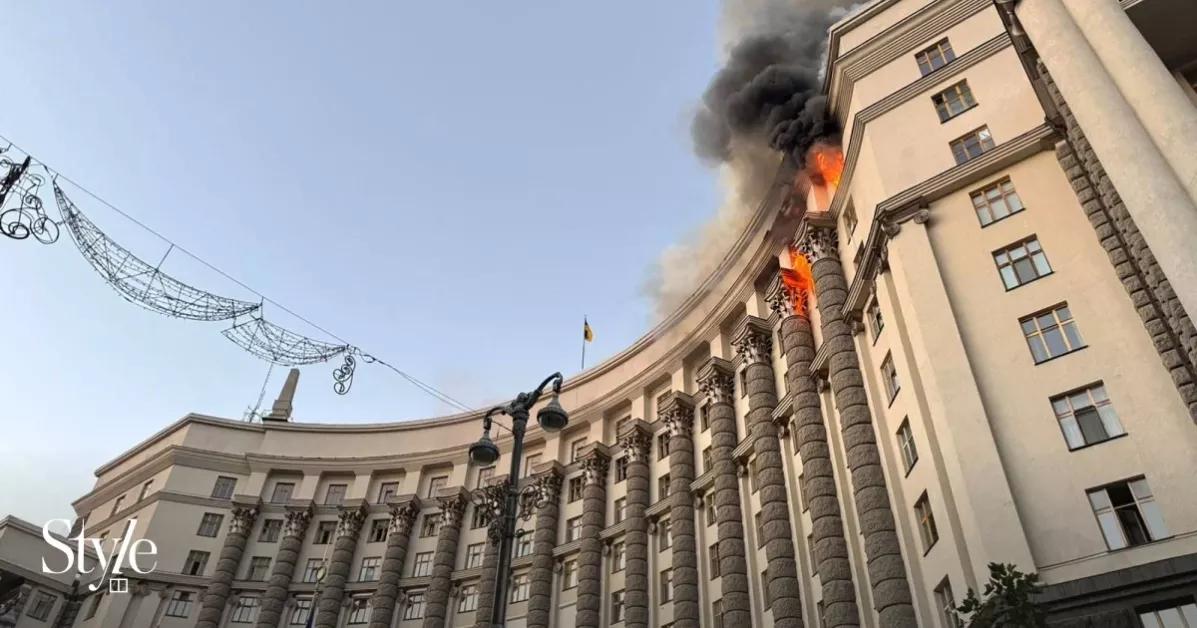
In a devastating escalation of the ongoing Ukraine-Russia conflict, Russia launched its largest aerial attack to date, striking Kyiv with a wave of precision and high-intensity bombings. The assault specifically targeted Ukraine’s central government building, a symbolic and strategic hub, while also tragically claiming the lives of several civilians, including an infant. The attack marks a grim milestone in the war, underscoring the intensifying threat to urban areas and non-combatants.
Reports indicate that the air strikes occurred in the early hours, catching both government staff and local residents off guard. Ukrainian authorities confirmed multiple missile strikes and significant structural damage to the central government facility, raising concerns about the continuity of administrative operations during wartime. Security forces responded swiftly to evacuate personnel and contain secondary hazards, but the attack resulted in unavoidable civilian casualties.
Eyewitness accounts describe chaotic scenes in Kyiv, with smoke rising from government buildings and surrounding neighborhoods. Emergency responders and local volunteers rushed to aid victims, carrying survivors from damaged structures to temporary medical facilities. Hospitals in the capital are reportedly operating under extreme pressure, dealing with injuries ranging from shrapnel wounds to severe trauma caused by collapsing buildings.
The death of an infant has particularly shocked the international community, highlighting the human cost of the conflict and drawing condemnation from humanitarian organizations worldwide. The targeting of populated urban centers, intentional or otherwise, raises pressing questions about adherence to international laws protecting civilians during armed conflicts. Global leaders have called for restraint and renewed diplomatic efforts to prevent further civilian harm.
Ukraine’s leadership has denounced the attack as an indiscriminate assault on the nation’s capital, vowing that such aggression will not deter the country’s defense efforts. President Volodymyr Zelensky addressed the nation, emphasizing resilience in the face of tragedy and urging the international community to intensify support for Ukraine’s military and humanitarian needs. Zelensky also highlighted the symbolic nature of the attack, noting that targeting government institutions is meant to undermine national governance and morale.
Military analysts suggest that this large-scale aerial offensive demonstrates Russia’s strategic intent to apply maximum pressure on Ukraine’s leadership and disrupt administrative functions. The scale and precision of the attack indicate the use of advanced missile systems capable of striking central urban infrastructure from long distances, which could signal an escalation in both technology deployment and tactical aggression.
The international response has been swift and vocal. NATO officials condemned the air strikes, calling for reinforced security support to Ukraine. European Union leaders expressed solidarity with Kyiv, pledging additional humanitarian aid and financial assistance to cope with the aftermath of the attack. The United Nations also issued a statement demanding accountability for civilian casualties and emphasizing the necessity of protecting non-combatants in conflict zones.
On the ground, Ukrainian citizens face a climate of fear and uncertainty. Residents of Kyiv report widespread panic as sirens blared and people sought shelter in basements and reinforced structures. Schools, hospitals, and public spaces have been temporarily closed or repurposed as emergency shelters, highlighting the social disruption caused by sustained aerial bombardment. The psychological toll on families, especially parents with young children, cannot be overstated, with mental health professionals warning of long-term trauma among survivors.
The attack has further strained Ukraine’s already stretched defense infrastructure. Air defense units were reported to have intercepted some missiles, but the volume and precision of the strike overwhelmed existing systems, prompting calls for increased military support from allied nations. Experts note that sustaining a defense against such large-scale aerial attacks requires both advanced technology and substantial logistical coordination, challenges that Ukraine continues to navigate amid ongoing hostilities.
Humanitarian organizations are racing to provide relief to those affected. Emergency aid, medical supplies, and temporary housing are being deployed to the hardest-hit districts of Kyiv. Volunteer networks have mobilized to support displaced residents, demonstrating resilience and solidarity in the face of adversity. However, the sheer scale of destruction and the number of affected civilians underscore the urgent need for international assistance and long-term recovery planning.
The tragedy has also intensified discussions about the future trajectory of the Russia-Ukraine conflict. Analysts warn that continued escalation in urban centers could lead to higher civilian casualties and further destabilization, making diplomatic intervention increasingly urgent. While military responses remain crucial, there is growing recognition that sustained negotiation, international mediation, and humanitarian intervention are vital to prevent further loss of life.
In summary, Russia’s largest aerial attack on Ukraine has left a profound mark on Kyiv, causing civilian deaths, destroying critical infrastructure, and deepening the humanitarian crisis. The assault underscores the high stakes of the ongoing conflict and the vulnerabilities of urban populations caught in the crossfire. As Ukraine struggles to manage the immediate aftermath, the global community faces the pressing challenge of addressing both the human cost and the broader implications for international security and diplomacy.
The event serves as a stark reminder that in modern warfare, civilian populations and urban centers are increasingly at risk, making international oversight and rapid humanitarian response more critical than ever.
 Related News
POST A COMMENT (0)
All Comments (0)
Replies (0)