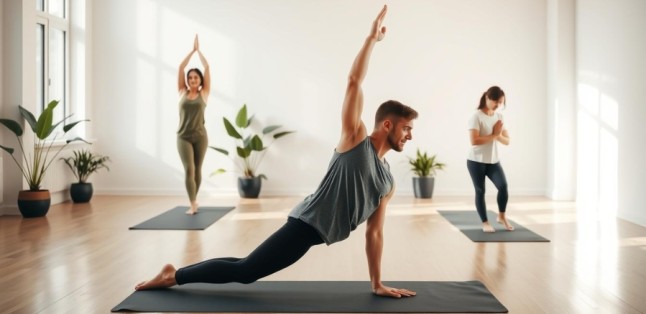
Are you ready to join the over 300 million people worldwide who are set to practice yoga in 2026? This ancient practice is not just about physical postures; it's a journey towards easing stress, building strength, and finding peace in a chaotic world.
As a beginner-friendly yoga practice, our step-by-step guide is designed to help you get started with 10 easy poses that can be incorporated into your daily routine. Whether you're looking to improve your flexibility, balance, or simply seeking a moment of tranquility, this guide is your perfect companion.
Key Takeaways
- Discover the benefits of practicing yoga daily
- Learn 10 easy yoga poses for beginners
- Understand how to incorporate yoga into your daily routine
- Find peace and reduce stress through yoga practice
- Improve your flexibility and balance with beginner-friendly yoga
The Evolution of Yoga for Beginners 2026
In 2026, yoga for beginners is evolving with the integration of technology and modern approaches. Many people in Singapore have chosen yoga as their first step into fitness because it requires no equipment, is suitable for all fitness levels, and can be done in just 10 minutes a day.
Modern Approaches to Ancient Practices
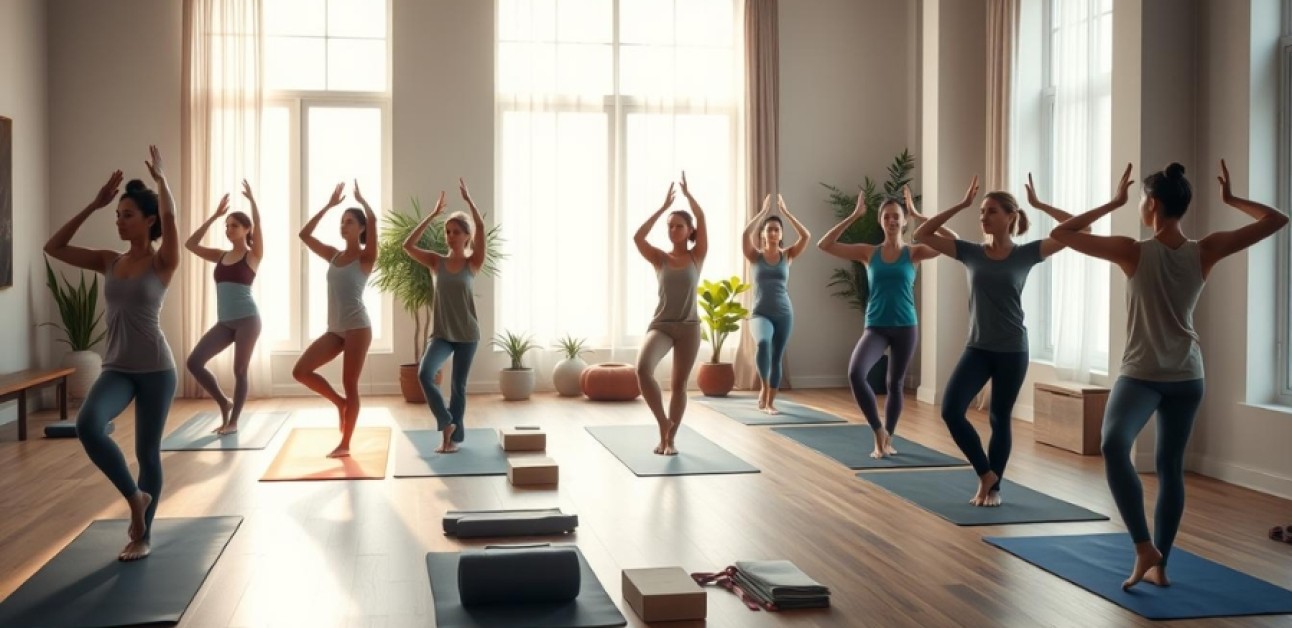
The traditional practices of yoga are being reimagined with modern twists, making it more accessible and engaging for beginners. Easy yoga routines are being designed to cater to different needs and preferences, ensuring that everyone can find a practice that suits them.
Technology Integration in Today's Yoga
Technology is playing a significant role in shaping the yoga landscape. From smart mats that provide real-time feedback to virtual reality experiences that transport practitioners to serene environments, technology is enhancing the yoga experience.
Smart Mats and Wearable Feedback
Smart mats and wearable devices are revolutionizing yoga practice by offering feedback on posture, alignment, and even breathing techniques. This technology helps beginners learn yoga poses for beginners more effectively.
Virtual Reality and AI Yoga Assistants
Virtual reality (VR) and AI-powered yoga assistants are becoming increasingly popular. VR environments can simulate peaceful settings, while AI assistants provide personalized guidance and adjustments, making yoga more engaging and effective.
| Technology | Benefits for Beginners |
|---|---|
| Smart Mats | Real-time feedback on posture and alignment |
| Wearable Devices | Monitoring of breathing techniques and physical exertion |
| Virtual Reality | Immersive environments for a more engaging practice |
| AI Yoga Assistants | Personalized guidance and adjustments |
As yoga continues to evolve, it's clear that technology and modern approaches are making it more accessible and enjoyable for beginners. By embracing these innovations, newcomers to yoga can enjoy a more guided, personalized, and engaging practice.
Essential Equipment for Your Yoga Journey
Embarking on a yoga journey requires some essential equipment to ensure a comfortable and effective practice. As a beginner, it's crucial to understand what basics you need to get started with basic yoga exercises at home.
Must-Have Basics for Home Practice
The foundation of any yoga practice is a good quality yoga mat. A non-slip yoga mat is essential for maintaining poses and preventing injuries. Additionally, having yoga blocks or a towel for support can be very helpful, especially for beginners. A water bottle nearby is also a must to stay hydrated during your practice.
- A non-slip yoga mat
- Yoga blocks or a towel for support
- A water bottle
Optional Tools to Enhance Your Experience
While the basics cover the essentials, there are several optional tools that can enhance your yoga experience. These include yoga straps for deeper stretches, yoga bolsters for support in restorative poses, and yoga wheels for added challenge and flexibility.
Eco-Friendly Options
For those who prioritize sustainability, there are eco-friendly yoga mats made from natural materials like rubber or cork. These options not only benefit the environment but also provide a unique texture and grip for your practice.
Budget-Friendly Alternatives
If you're just starting out or on a tight budget, consider budget-friendly alternatives such as a simple, affordable yoga mat or using household items like a towel or blanket for support. You can also look for second-hand yoga equipment or sales on yoga gear.
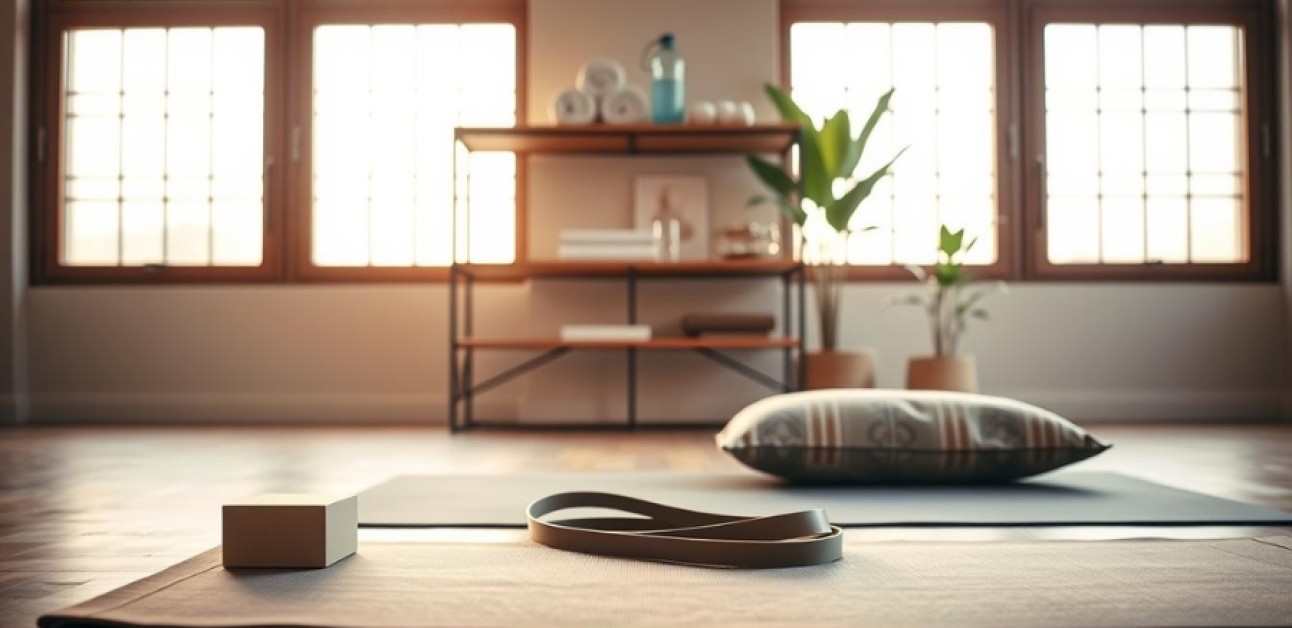
Investing in the right equipment can significantly enhance your beginner yoga classes experience, making your practice more enjoyable and effective. Whether you opt for eco-friendly, budget-friendly, or standard equipment, the key is to find what works best for you and your practice.
Physical and Mental Benefits for Newcomers
For those new to yoga, the practice promises a wealth of advantages, including reduced stress and increased flexibility. As you begin your journey with gentle yoga for beginners, you'll likely notice improvements in both body and mind.
Immediate Effects You'll Notice
One of the most immediate benefits of starting a yoga practice is the reduction in stress and anxiety. A 2024 NIH study found that a consistent yoga practice can cut anxiety by 30% after just 8 weeks. You'll also notice improved flexibility and a sense of calm that can stay with you throughout the day.
Long-Term Transformations
As you continue with your yoga for newbies practice, you'll experience long-term transformations that can significantly impact your quality of life.
Flexibility and Strength Improvements
Regular yoga practice can lead to substantial improvements in flexibility and strength. This is due to the various poses that target different muscle groups and joints, promoting a more balanced and capable body.
Stress Reduction and Mental Clarity
Beyond the physical benefits, yoga is renowned for its ability to reduce stress and enhance mental clarity. By incorporating mindfulness and meditation into your practice, you can achieve a more peaceful and focused state of mind.
| Benefit | Immediate Effect | Long-Term Effect |
|---|---|---|
| Flexibility | Increased range of motion | Significant flexibility improvements |
| Stress Levels | Reduced anxiety | Long-term stress reduction |
| Mental Clarity | Improved focus | Enhanced mental clarity and calm |
By embracing gentle yoga for beginners, you're not just starting a new exercise routine; you're embarking on a journey towards a healthier, more balanced life. The benefits of yoga extend far beyond the physical, nurturing your mental and emotional well-being.
Creating Your Ideal Practice Environment
A well-designed practice space can significantly enhance your yoga experience. When starting yoga practice at home, it's essential to create an environment that fosters relaxation and focus.
Setting Up Your Space
Begin by identifying a quiet area where you can practice without distractions. Ideally, this space should be about 6×6 feet with a clear floor. Clearing the clutter and dedicating this space to yoga can help you establish a consistent routine.
Establishing the Right Atmosphere
The atmosphere of your practice space plays a crucial role in your yoga experience. Consider the following elements to create a serene ambiance:
Lighting and Temperature Considerations
Dim, soft lighting can help create a calming atmosphere. Adjust the temperature to a comfortable level; a warm but not hot environment is usually ideal for yoga practice.
Music and Sound Options
Soft, calming music or nature sounds can enhance your practice. Experiment with different options to find what helps you relax and focus.
By thoughtfully setting up your space and establishing the right atmosphere, you can enhance your learning yoga at home experience. This dedicated space will become your sanctuary for relaxation and self-improvement.
Mountain Pose (Tadasana) - Your Foundation
The practice of yoga begins with a strong foundation, and Mountain Pose (Tadasana) is where it all starts. This foundational standing pose is crucial for establishing good posture, balance, and alignment, which are essential for progressing in yoga.
Step-by-Step Instructions
To practice Mountain Pose correctly, follow these steps:
Proper Foot Placement
Stand with your feet together, heels slightly apart, and toes touching. Ensure your weight is evenly distributed on both feet.
Alignment From Ground Up
Engage your core, pull your navel towards your spine, and keep your spine long. Your shoulders should be relaxed, and arms should be by your sides with palms facing forward.
Common Mistakes to Avoid
Beginners often make mistakes such as locking their knees or slouching their shoulders. Keeping the knees slightly soft and shoulders down can help avoid these common pitfalls.
Modifications for Different Bodies
For those with certain conditions or limitations, modifications can be made. For example, standing with feet hip-width apart can provide more stability.
| Aspect | Standard Alignment | Modification |
|---|---|---|
| Foot Placement | Feet together | Feet hip-width apart |
| Knee Position | Slightly soft | More bent for stability |
| Arm Position | By the sides | Hands on hips for balance |
Mastering Mountain Pose is a fundamental step in your yoga for beginners 2026 journey. It lays the groundwork for more complex poses and enhances your overall practice.
Child's Pose (Balasana) - The Perfect Rest
As a resting pose, Balasana is a crucial element in easy yoga routines, providing a serene and calming posture for practitioners of all levels.
Step-by-Step Instructions
To enter Child's Pose, start by kneeling on your mat with your big toes touching and sit on your heels. Then, bend forward, stretching your arms out in front of you, and rest your forehead on the floor.
Finding Comfort in the Pose
To enhance comfort, you can separate your knees slightly apart while keeping your toes together. This adjustment can help accommodate any discomfort in the hips or knees.
Breathing Techniques
In Balasana, focus on deep, slow breaths. Inhale deeply through your nose, filling your lungs, and then exhale slowly, feeling any tension release from your body.
When to Use During Your Practice
Child's Pose is versatile and can be used at various points during your practice:
- As a resting pose between more challenging asanas
- To calm the mind and reset your focus
- At the end of a practice as a gentle cool-down
Variations for Different Needs
For those with tight hips or knees, consider using a cushion or block under the buttocks for support. Alternatively, you can practice the pose with your arms alongside your body for a different stretch.
By incorporating Child's Pose into your beginner yoga classes, you'll find it an invaluable tool for relaxation and rejuvenation.
Downward-Facing Dog (Adho Mukha Svanasana)
Transitioning into Downward-Facing Dog can be a challenging but rewarding experience for yoga newcomers. This foundational pose is not only a staple in many yoga routines but also an excellent way to stretch and strengthen various parts of the body.
Step-by-Step Instructions
To get into Downward-Facing Dog, start on all fours in a Tabletop position. As you exhale, lift your hips towards the ceiling, straightening your arms and legs as much as possible to form an inverted "V" shape.
Hand and Foot Positioning
Ensure your hands are shoulder-width apart and pressing firmly into the ground. Your feet should be hip-width apart, with your weight evenly distributed between your hands and feet. As you pedal your heels, you'll begin to stretch your calves and hamstrings.
Creating the Inverted V Shape
To achieve the correct inverted "V" shape, engage your core muscles and keep your arms straight. Avoid letting your hips sag or your back arch. Instead, focus on lengthening your spine and maintaining a straight line from head to heels.
Alignment Tips for Beginners
Proper alignment is crucial in Downward-Facing Dog. Keep your hands and feet in the correct position, and ensure your body forms a straight line from head to heels. As
"The yoga pose you avoid the most is the one you need the most."
- this quote emphasizes the importance of facing your challenges in yoga, including mastering Downward-Facing Dog.
Building Strength Gradually
For beginners, holding Downward-Facing Dog can be challenging. Start by holding the pose for a few breaths and gradually increase the duration as you build strength and flexibility. With consistent practice, you'll find that your overall yoga practice improves.
As you continue to practice Downward-Facing Dog, you'll notice improvements in your flexibility, balance, and overall strength. This pose is a fundamental part of basic yoga exercises that can significantly enhance your yoga for newbies journey.
Cat-Cow Stretch (Marjaryasana-Bitilasana)
For those learning yoga at home, the Cat-Cow Stretch is an excellent starting point. This gentle flow between two poses warms up the spine, preparing it for more complex movements. It's a fundamental exercise in many yoga routines, particularly beneficial for beginners.
Step-by-Step Instructions
To perform the Cat-Cow Stretch, begin in Tabletop position on your hands and knees. Ensure your wrists are directly under your shoulders and your knees under your hips.
Flowing Between Positions
Exhale and round your spine, tucking your chin towards your chest (Cat Pose). Then, inhale and arch your back, looking up towards the ceiling (Cow Pose). Repeat this flow several times, moving slowly and smoothly.
Breath Coordination
The key to the Cat-Cow Stretch is coordinating your breath with your movements. Exhale as you round your back into Cat Pose, and inhale as you arch into Cow Pose. This synchronization enhances the stretch and promotes a meditative state.
Benefits for Spine Health
The Cat-Cow Stretch is particularly beneficial for spine health. It gently flexes and extends the spine, improving flexibility and reducing stiffness. Regular practice can help alleviate back pain and promote better posture.
Variations and Modifications
For those with sensitive knees, consider adding a cushion or pad under your knees for comfort. You can also modify the stretch by reducing the depth of your arch or round, making it accessible for different levels of practice.
| Pose | Breath | Movement |
|---|---|---|
| Cat Pose | Exhale | Round spine, tuck chin |
| Cow Pose | Inhale | Arch back, look up |
Warrior I Pose (Virabhadrasana I)
For those starting their yoga practice, Warrior I Pose is an essential posture that combines strength, balance, and flexibility. This foundational standing pose is designed to empower practitioners, both physically and mentally.
Step-by-Step Instructions
To enter Warrior I Pose, follow these steps carefully:
- Step 1: Begin by standing with your feet wide apart, about 3-4 feet.
- Step 2: Turn your right foot forward so it's parallel to the front edge of your mat.
- Step 3: Turn your left foot slightly inward, about 45 degrees.
- Step 4: Bend your front knee over your ankle, ensuring it's not extending past your toes.
- Step 5: Stretch your arms up towards the ceiling, keeping them parallel to each other.
Foot Positioning and Stance
Proper foot alignment is crucial in Warrior I Pose. Your front foot should be facing forward, while your back foot is at a 45-degree angle. This stance helps in achieving balance and stability.
Keep your spine long and your chest open. Reach your arms up, stretching from the shoulders to the fingertips. This alignment helps in maintaining the integrity of the pose and maximizing its benefits.
Finding Stability and Balance
Stability in Warrior I Pose is achieved by grounding through both feet and engaging your core. Practice deep breathing to enhance your balance and focus.
Common Challenges and Solutions
Many beginners face challenges such as knee strain or difficulty in maintaining balance. To overcome these, ensure your front knee is directly over your ankle, and engage your core to support your body.
- Knee Strain: Avoid letting your front knee extend past your toes.
- Balance Issues: Focus on a point in front of you and engage your core.
Tree Pose (Vrksasana) - Building Balance
Vrksasana, commonly known as Tree Pose, is a simple yet powerful yoga pose that enhances balance and concentration. This foundational standing balance pose is ideal for beginners looking to improve their focus and stability.
Step-by-Step Instructions
To practice Tree Pose, start by standing on one leg, with the other foot resting on the inner thigh. Keep your spine straight and engage your core.
Finding Your Center
Begin by standing on both feet, then slowly lift one foot and place it on the inner thigh of the other leg. Keep your hips level and facing forward.
Gaze Techniques (Drishti)
Fix your gaze on a point in front of you to help maintain balance. This technique, known as drishti, aids in focusing your mind and steadying your body.
Using Props for Support
If you're new to Tree Pose, using props like a block or wall can provide the necessary support to help you balance.
Progressing Your Practice
As you become more comfortable in Tree Pose, you can challenge yourself by closing your eyes or practicing on different surfaces.
Here's a summary of the benefits and tips for Tree Pose:
| Benefit/Tips | Description |
|---|---|
| Improves Balance | Enhances physical stability and focus |
| Using Props | Blocks or walls can aid in balancing |
| Gaze Techniques | Helps in maintaining focus and balance |
By incorporating Tree Pose into your yoga routine, you'll not only improve your balance but also enhance your overall yoga practice.
Cobra Pose (Bhujangasana) - Gentle Backbend
Cobra Pose, or Bhujangasana, is a foundational backbend that opens up the chest and strengthens the back muscles. It's an excellent basic yoga exercise for beginners looking to improve their flexibility and posture.
Step-by-Step Instructions
To perform Cobra Pose, start by lying prone on your mat. Place your hands beside your chest, with your fingers spread wide.
Proper Hand Placement
Ensure your hands are positioned directly under your shoulders, with your elbows close to your body. This alignment will help you maintain control throughout the pose.
Lifting With Control
Press your palms into the mat and gently lift your chest and belly, keeping your thighs engaged on the mat. Avoid pushing yourself too hard; the lift should be gradual and controlled.
Protecting Your Lower Back
It's crucial to engage your core and maintain a gentle lift to avoid straining your lower back. If you experience any discomfort, modify the pose by lifting only your chest or using a block for support.
Building Core Strength
Cobra Pose not only strengthens your back but also engages your core muscles. Regular practice will help improve your overall core strength, benefiting your entire yoga practice.
| Benefits | Modifications |
|---|---|
| Strengthens back muscles | Use a block for support |
| Opens up the chest | Lift only the chest |
| Improves posture | Keep the thighs engaged |
By incorporating Cobra Pose into your beginner yoga classes, you'll be taking a significant step towards improving your overall yoga practice and enhancing your physical well-being.
Bridge Pose (Setu Bandha Sarvangasana)
In the realm of yoga for newbies, Bridge Pose stands out as a gentle yet effective exercise for daily practice. This pose is excellent for strengthening the back muscles, improving flexibility, and opening up the chest.
Step-by-Step Instructions
Setting Up The Foundation
To begin, lie on your back with your knees bent and feet flat on the ground, hip-width apart. Make sure to stack your knees directly over your ankles for proper alignment.
Lifting and Holding Safely
Press your feet into the ground and engage your core as you lift your hips towards the ceiling. Squeeze your glutes and push your hips upwards, keeping your shoulders down and away from your ears. Hold the pose for a few breaths, feeling the stretch in your chest and the strength in your back.
Benefits for Hip Flexibility
Bridge Pose is particularly beneficial for improving hip flexibility. By regularly practicing this pose, you can increase the range of motion in your hips, making it easier to move into other yoga postures. Regular practice can lead to improved flexibility and reduced stiffness.
Variations for Different Levels
For beginners, it's essential to start slow and modify the pose according to your comfort level. You can begin by lifting your hips just slightly off the ground and gradually increase the height as you build strength and confidence. More advanced practitioners can try variations like single-leg Bridge Pose or using a yoga block under the sacrum for added support.
- Beginners: Start with small lifts and focus on proper alignment.
- Intermediate: Hold the pose for longer durations and explore variations.
- Advanced: Try single-leg lifts or use props for added challenge.
By incorporating Bridge Pose into your daily yoga routine, you can enjoy the numerous benefits it offers, from improved flexibility to enhanced strength.
Corpse Pose (Savasana) - The Art of Relaxation
In the realm of yoga, Corpse Pose, or Savasana, stands out as a powerful tool for achieving mental and physical serenity. This pose is not just a resting point between exercises; it's a practice in itself that teaches deep relaxation and mindfulness.
Step-by-Step Instructions
To practice Savasana effectively, start by finding a quiet, comfortable space where you can lie down without distractions. Place a mat on the floor and use a blanket or towel for support if needed.
Finding Comfortable Alignment
Lie flat on your back with your arms and legs slightly apart, ensuring your body is in a neutral position. Adjust your shoulders to relax away from your ears, and let your spine elongate.
Mental Relaxation Techniques
Close your eyes and focus on your breath, allowing it to become slow and deep. As you inhale, imagine fresh energy entering your body; as you exhale, visualize tension leaving your body. If your mind wanders, gently bring your focus back to your breathing.
Why Savasana Is Essential
Savasana is crucial for learning yoga at home as it provides a moment to absorb the benefits of your practice. It helps in reducing stress, improving sleep, and enhancing overall well-being. Regular practice of Savasana can lead to a more balanced and mindful approach to daily life.
When starting a yoga practice, incorporating Savasana can help you understand the importance of rest and recovery in your journey. It's a reminder that yoga is not just about physical postures but also about cultivating inner peace.
Transitioning Out of Practice
As you near the end of your Savasana, take a few deep breaths and slowly begin to bring awareness back to your surroundings. Gently wiggle your fingers and toes, and when you're ready, slowly open your eyes. Take a moment to notice how you feel before getting up and continuing with your day.
Creating Your Daily Yoga Routine
The journey to a consistent yoga practice begins with understanding how to create a daily routine tailored to your needs. As a beginner, it's essential to start with a manageable schedule and gradually build up your practice.
Morning vs. Evening Practice
Deciding whether to practice yoga in the morning or evening depends on your personal schedule and preferences. Morning yoga can be invigorating, helping to wake you up and set a positive tone for the day. On the other hand, evening yoga can be a great way to unwind and relax after a long day.
Consider your daily routine and choose a time that works best for you. Aim for consistency, even if it's just a few minutes each day.
Sample 15, 30, and 45-Minute Sequences
To help you get started, here are some sample sequences for different durations:
Energizing Morning Flows
- Mountain Pose (Tadasana) - 5 minutes
- Downward-Facing Dog (Adho Mukha Svanasana) - 3 minutes
- Warrior I Pose (Virabhadrasana I) - 3 minutes per side
- Tree Pose (Vrksasana) - 3 minutes per leg
Calming Evening Sequences
- Child's Pose (Balasana) - 5 minutes
- Cat-Cow Stretch (Marjaryasana-Bitilasana) - 3 minutes
- Cobra Pose (Bhujangasana) - 3 minutes
- Corpse Pose (Savasana) - 10 minutes
For a 15-minute practice, focus on a few foundational poses. For 30 and 45-minute practices, you can add more poses and increase the duration of each.
Tracking Your Progress
Keeping a yoga journal can be a powerful tool for tracking your progress. Note the poses you practice, how you feel, and any challenges you encounter. This will help you identify patterns and make adjustments to your routine as needed.
Staying Motivated Long-Term
To maintain your motivation, aim for at least three yoga sessions per week. Celebrate your milestones, no matter how small, and be patient with yourself as you build your practice.
By following these guidelines and staying committed, you can develop a rewarding and sustainable yoga practice that enhances your overall well-being in 2026 and beyond.
Conclusion: Embracing Your Yoga Journey in 2026
As you begin your yoga journey in 2026, remember that starting with simple yoga poses for beginners is key to long-term success. According to the 2025 Yoga Journal, 80% of beginners stick with yoga past month one when they start with simple routines. By incorporating the foundational poses and practices outlined in this guide, you're setting yourself up for a lifelong journey of physical, mental, and spiritual growth.
Consistency is crucial. Make yoga a part of your daily routine, even if it's just a few minutes each day. The benefits of yoga extend far beyond the mat, improving your overall well-being and resilience. As you continue on your path, you'll find that the discipline and mindfulness cultivated through yoga positively impact other areas of your life.
Stay motivated by exploring new classes, workshops, or online resources. Engage with the yoga community, either locally or online, to share experiences and learn from others. Your yoga journey is unique to you, and by embracing it, you'll discover a more balanced, harmonious you.