






As we approach 2025, promoting mental wellness has become increasingly crucial. According to SAMHSA, Mental Health Awareness Month is an opportunity to promote resources and support for those in need.
Understanding the signs and symptoms of mental health issues is vital for providing timely support. By raising awareness and promoting education, we can work together to create a supportive environment that fosters mental wellness.
Key Takeaways
- Understanding signs and symptoms is crucial for mental wellness.
- Mental Health Awareness Month promotes resources and support.
- Education and awareness are key to a supportive environment.
- Promoting mental wellness is increasingly important.
- Raising awareness helps in providing timely support.
The Current State of Mental Health in India
The intricate dynamics of mental health in India are shaped by a multitude of factors, including socio-economic status, cultural beliefs, and recent global events. As the nation continues to navigate the complexities of mental wellness, understanding the current landscape is crucial.
Key Statistics and Trends in 2025
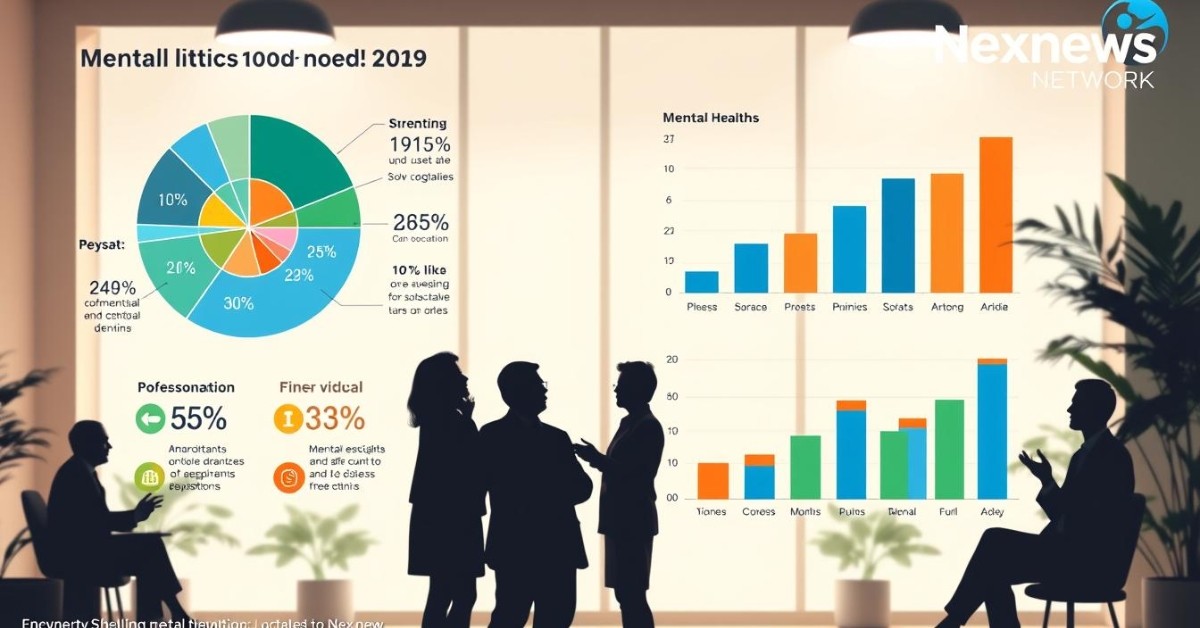
Recent data highlights the growing concern of mental health issues in India. Some key statistics include:
- Prevalence Rates: Mental health conditions affect a significant portion of the Indian population, with varying prevalence rates across different demographics.
- Economic Impact: The economic burden of mental health issues is substantial, affecting not only individuals but also the broader economy.
Prevalence Rates Across Different Demographics
Mental health issues affect various demographics differently. For instance:
- Young adults are more likely to experience anxiety and depression.
- Older adults may face challenges related to cognitive decline and isolation.
Economic Impact of Mental Health Issues
The economic impact of mental health issues in India is multifaceted, including:
- Direct costs related to healthcare and treatment.
- Indirect costs due to loss of productivity and income.
Impact of Recent Global Events on Mental Health
Recent global events, including the pandemic, have significantly influenced mental health in India.
Post-Pandemic Mental Health Landscape
The post-pandemic era has seen a rise in mental health issues, with increased reports of anxiety, depression, and stress-related conditions.
Digital Lifestyle Effects on Mental Wellbeing
The digital lifestyle, characterized by increased screen time and social media usage, has both positive and negative effects on mental wellbeing.
As India continues to navigate these challenges, prioritizing mental health awareness and support is essential for fostering a healthier population.
Understanding Mental Health Awareness 2025
The year 2025 is poised to be a landmark year for mental health awareness in India, driven by shifting perceptions and innovative initiatives. As the country continues to grapple with the challenges of mental health, there is a growing recognition of the need for awareness, support, and action.
Evolution of Mental Health Perception in India
Over the years, India has witnessed a significant shift in how mental health is perceived. Cultural attitudes are changing, and the stigma associated with mental health issues is gradually reducing.
Shifting Cultural Attitudes
Traditionally, mental health has been a taboo subject in India. However, with increasing awareness and education, cultural attitudes are slowly shifting. There is a growing acceptance of mental health as an integral part of overall health.
Reduction in Stigma Over Time
Efforts to reduce stigma have been ongoing, with various campaigns and initiatives aimed at promoting understanding and empathy. As a result, more people are coming forward to seek help, and there is a noticeable decrease in the stigma associated with mental health conditions.
Major Mental Health Initiatives in 2025
The year 2025 has seen a surge in mental health initiatives across India, driven by government-led programs, NGO contributions, and private sector involvement.
Government-Led Programs
The Indian government has launched several programs aimed at improving mental health services and promoting awareness. These initiatives include the expansion of mental health facilities and the training of healthcare professionals.
NGO and Private Sector Contributions
Non-governmental organizations (NGOs) and the private sector are also playing a crucial role in promoting mental health awareness. Many organizations are running campaigns, providing support services, and contributing to the overall effort to improve mental health care in India.
The Role of Technology in Mental Health Awareness
Technology is increasingly being leveraged to enhance mental health awareness and support. From AI-driven mental health monitoring to social media campaigns, technology is playing a vital role in reaching a wider audience.
AI-Driven Mental Health Monitoring
AI-driven tools are being used to monitor mental health, providing early intervention and support. These tools are helping to identify individuals at risk and connect them with appropriate resources.
Social Media Mental Health Campaigns
Social media platforms are being utilized to run mental health campaigns, reaching a vast audience and promoting awareness. These campaigns are helping to normalize discussions around mental health and encourage people to seek help.

As India continues to make progress in mental health awareness, the collaborative efforts of the government, NGOs, private sector, and technology are expected to drive significant positive change in 2025.
Common Mental Health Conditions in 2025
As we navigate the complexities of mental health in 2025, it's essential to understand the common conditions affecting individuals worldwide. Mental health awareness is crucial in identifying and addressing these conditions effectively.
Anxiety Disorders
Anxiety disorders are among the most prevalent mental health conditions, characterized by excessive worry, fear, and anxiety that interfere with daily life. Generalized Anxiety Disorder and Social Anxiety are two common types of anxiety disorders.
Generalized Anxiety Disorder
Generalized Anxiety Disorder (GAD) is marked by persistent and excessive worry about everyday things, even when there's no apparent reason to worry. This can lead to symptoms like restlessness, feeling on edge, and difficulty concentrating.
Social Anxiety and Digital Communication Stress
Social anxiety involves fear or anxiety in social situations, which can be exacerbated by digital communication stress, such as the pressure to maintain a social media presence. This can lead to feelings of isolation and decreased self-esteem.
Depressive Disorders
Depressive disorders are characterized by persistent feelings of sadness, hopelessness, and a lack of interest in activities. Major Depressive Disorder and Persistent Depressive Disorder are two common types.
Major Depressive Disorder
Major Depressive Disorder is marked by intense feelings of sadness or hopelessness that last for more than two weeks, interfering with daily life. Symptoms include changes in appetite, sleep disturbances, and fatigue.
Persistent Depressive Disorder
Persistent Depressive Disorder is a chronic form of depression that lasts for two years or more, with symptoms that are less severe than those of Major Depressive Disorder but still impact daily functioning.
Stress-Related Conditions
Stress-related conditions, such as Burnout Syndrome and Adjustment Disorders, are becoming increasingly common, particularly in high-pressure work environments.
Burnout Syndrome
Burnout Syndrome is characterized by emotional exhaustion, reduced performance, and cynicism towards work, often resulting from prolonged stress and lack of balance in life.
Adjustment Disorders
Adjustment Disorders occur when individuals struggle to cope with significant life changes or stressors, leading to emotional and behavioral symptoms.
| Mental Health Condition | Common Symptoms |
|---|---|
| Anxiety Disorders | Excessive worry, fear, restlessness |
| Depressive Disorders | Sadness, hopelessness, loss of interest |
| Stress-Related Conditions | Emotional exhaustion, reduced performance |
Substance Use Disorders
Substance Use Disorders involve the misuse of substances, such as Technology Addiction and Traditional Substance Dependencies, leading to significant distress and impairment in daily life.
Technology Addiction
Technology Addiction refers to the excessive use of digital technologies, such as social media and video games, to the point of negatively impacting daily life and relationships.
Traditional Substance Dependencies
Traditional Substance Dependencies involve the misuse of substances like alcohol, nicotine, and illicit drugs, leading to physical and psychological dependence.
Recognizing Early Warning Signs of Mental Health Issues
Recognizing the early warning signs of mental health issues is crucial for timely intervention and support. According to the World Health Organization (WHO), early intervention in mental health can significantly improve treatment outcomes. Being aware of the changes in behavior, physical symptoms, and cognitive and emotional indicators can help individuals and their loved ones seek help before the situation escalates.
Behavioral Changes to Watch For
Changes in behavior can often be the first noticeable signs of underlying mental health issues. It's essential to be vigilant about these changes to provide support.
Changes in Sleep Patterns
Sleep disturbances are a common early warning sign. This can manifest as insomnia or excessive sleeping. Monitoring sleep patterns can provide insights into mental health.
Social Withdrawal and Isolation
Withdrawing from social interactions or feeling isolated can be a sign of mental distress. Noticing when someone stops engaging in activities they once enjoyed is crucial.
Physical Symptoms of Mental Distress
Mental health issues can also manifest physically. Being aware of these physical symptoms can help in early detection.
Unexplained Aches and Pains
Frequent, unexplained physical complaints such as headaches or stomach issues can be indicative of mental health struggles.
Changes in Energy Levels and Appetite
Significant changes in energy levels or appetite can signal mental health concerns. Monitoring these changes is vital.
Cognitive and Emotional Indicators
Cognitive and emotional changes can be subtle but are critical early warning signs.
Difficulty Concentrating
Struggling to focus or make decisions can be a sign of underlying mental health issues. Paying attention to these cognitive changes is important.
Mood Fluctuations and Irritability
Noticing significant mood swings or increased irritability can indicate mental health concerns. These emotional changes should not be overlooked.
By being aware of these early warning signs, individuals can seek timely support and intervention, improving their mental health outcomes.
Detailed Symptoms of Common Mental Health Conditions
Understanding the symptoms of common mental health conditions is crucial for early detection and effective treatment. Mental health conditions such as depression, anxiety, stress-related disorders, and addiction can manifest in various ways, affecting an individual's emotional, physical, and psychological well-being.
Symptoms of Depression
Depression is characterized by a range of emotional and physical symptoms. Emotional symptoms can include persistent feelings of sadness, hopelessness, and a lack of interest in activities once enjoyed.
Emotional Symptoms
- Feelings of sadness or emptiness
- Loss of interest in activities
- Feelings of guilt or worthlessness
Physical Manifestations
Physical symptoms can include changes in appetite, sleep disturbances, fatigue, and difficulty concentrating. As noted by the National Alliance on Mental Illness (NAMI), "Depression is a serious medical condition that can affect every aspect of a person's life."
"Depression is a serious medical condition that can affect every aspect of a person's life."
Symptoms of Anxiety
Anxiety disorders are marked by excessive fear and anxiety and can manifest through psychological and physiological symptoms.
Psychological Symptoms
- Excessive worry or fear
- Restlessness or feeling on edge
- Difficulty concentrating
Physiological Responses
Physiological symptoms can include rapid heartbeat, sweating, trembling, and shortness of breath.
Symptoms of Stress-Related Disorders
Stress-related disorders, including acute stress disorder and post-traumatic stress disorder (PTSD), can have acute and chronic symptoms.
Acute Stress Responses
- Shock or denial
- Anxiety or fear
- Dissociation
Chronic Stress Indicators
Chronic symptoms can include intrusive memories, avoidance of triggers, and negative changes in thinking and mood.
Symptoms of Addiction and Substance Abuse
Addiction and substance abuse can be identified through behavioral and physical dependency indicators.
Behavioral Warning Signs
- Increased tolerance to the substance
- Withdrawal symptoms when not using
- Neglecting responsibilities due to substance use
Physical Dependency Indicators
Physical dependency can manifest as withdrawal symptoms when the substance is not used, and the need to use increasing amounts to achieve the desired effect.
Recognizing these symptoms is the first step towards seeking help. Early intervention can significantly improve treatment outcomes for individuals struggling with mental health conditions.
Step-by-Step Guide to Mental Health Self-Assessment
Mental health self-assessment is an empowering process that allows individuals to take charge of their mental health. By understanding their mental state, individuals can identify areas that need improvement and seek appropriate help.
Using Digital Self-Assessment Applications
Digital self-assessment applications have made it easier for individuals to evaluate their mental health from the comfort of their homes. These apps offer a range of tools and questionnaires to assess various aspects of mental health.
Recommended Apps for Indian Users
For individuals in India, several mental health apps are available that offer self-assessment tools. Some popular options include:
- Moodfit: An app that tracks mood and offers personalized insights.
- Calm: A meditation and relaxation app that also includes self-assessment features.
- Headspace: An app focused on mindfulness and mental well-being, offering guided self-assessment exercises.
Once the self-assessment is complete, understanding the results is crucial. Most apps provide a score or a categorization of mental health status. It's essential to follow up with professional advice if the results indicate a potential issue.
Completing Validated Questionnaires
Validated questionnaires are standardized tools used to assess specific mental health conditions. They are often used in clinical settings but are also available online.
PHQ-9 for Depression Screening
The Patient Health Questionnaire-9 (PHQ-9) is a widely used tool for screening depression. It consists of nine questions that assess the frequency of depressive symptoms.
GAD-7 for Anxiety Screening
The Generalized Anxiety Disorder 7-item scale (GAD-7) is used to screen for anxiety disorders. It evaluates the frequency of anxiety symptoms over the past two weeks.
Creating a Personal Mental Health Journal
Maintaining a mental health journal is a powerful way to track mental well-being over time. It involves recording thoughts, feelings, and experiences.
Tracking Mood and Symptoms
By regularly tracking mood and symptoms, individuals can identify patterns and triggers. This information can be invaluable in managing mental health.
Identifying Triggers and Patterns
Understanding triggers and patterns is key to developing effective coping strategies. A mental health journal helps in recognizing these elements, enabling proactive mental health management.
Navigating Treatment Options Available in India
Navigating the mental health care system in India can be complex, with multiple treatment pathways available. The World Health Organization advocates for community-based mental health care, and India has been moving towards this approach. Treatment options range from psychotherapy and medication management to inpatient and outpatient programs, each catering to different needs and circumstances.
Psychotherapy Approaches
Psychotherapy is a cornerstone of mental health treatment, offering individuals a safe space to explore their thoughts, feelings, and behaviors. In India, various psychotherapy approaches are available.
Cognitive Behavioral Therapy (CBT)
CBT is a widely used, evidence-based therapy that focuses on identifying and changing negative thought patterns and behaviors. It has been effective in treating a range of mental health conditions, including depression and anxiety disorders.
Interpersonal Therapy
Interpersonal therapy focuses on improving communication skills and relationships, helping individuals manage their emotional responses to challenging situations. This therapy is particularly useful for those dealing with relationship issues or significant life changes.
Medication Management
For many individuals, medication is a crucial component of their mental health treatment plan. In India, psychiatrists and mental health professionals work together to manage medication effectively.
Antidepressants and Anxiolytics
Antidepressants and anxiolytics are commonly prescribed to manage symptoms of depression and anxiety. These medications can help stabilize mood and reduce anxiety, enabling individuals to engage more effectively in therapy and daily activities.
Working with Psychiatrists in India
Psychiatrists play a vital role in mental health care, diagnosing conditions, prescribing medication, and monitoring treatment progress. In India, many psychiatrists work in private practice, hospitals, and community health centers, making mental health care more accessible.
Inpatient and Outpatient Programs
Treatment programs in India cater to various needs, from intensive inpatient care to flexible outpatient services.
When Hospitalization Is Necessary
In severe cases, hospitalization may be required to ensure the individual's safety and provide intensive treatment. Inpatient programs offer 24/7 care and support, helping individuals stabilize their condition.
Day Treatment Programs
Day treatment programs offer a structured treatment environment without the need for overnight hospitalization. These programs are ideal for individuals who require intensive therapy but can still live at home.
By understanding the treatment options available, individuals and their families can make informed decisions about their mental health care. Whether through psychotherapy, medication, or a combination of both, there are pathways to recovery and improved mental well-being.
Alternative and Complementary Treatments
As we explore the diverse landscape of mental health treatments, alternative and complementary therapies are gaining recognition for their potential benefits. These approaches can be used alongside traditional treatments to provide a more holistic approach to mental health care.
Mindfulness and Meditation Practices
Mindfulness and meditation have become increasingly popular as tools for managing stress and improving mental wellbeing. These practices help individuals cultivate a greater awareness of the present moment, reducing worries about the past or future.
Guided Meditation Techniques
Guided meditation involves following a guide or teacher who leads the individual through a meditation practice. This can be particularly helpful for beginners, as it provides a structured approach to learning meditation techniques.
Mindfulness-Based Stress Reduction
Mindfulness-Based Stress Reduction (MBSR) is a program that combines mindfulness techniques with education on stress reduction. It has been shown to be effective in reducing symptoms of anxiety and depression.
Yoga and Traditional Indian Healing Methods
Yoga, with its roots in ancient Indian practices, combines physical postures, breathing techniques, and meditation to promote overall wellbeing. It has been recognized for its benefits in reducing stress and improving mental health.
Yoga Asanas for Mental Wellbeing
Certain yoga asanas, or postures, are particularly beneficial for mental health. These include poses that promote relaxation and reduce anxiety.
Ayurvedic Approaches to Mental Health
Ayurveda, a traditional Indian system of medicine, offers a holistic approach to mental health care. It emphasizes the importance of balance in the body and mind, using natural remedies and lifestyle changes to promote wellbeing.
Nutritional and Lifestyle Interventions
Diet and lifestyle play a crucial role in mental health. Nutritional interventions focus on providing the body with the necessary nutrients to support brain health.
Diet Modifications for Mental Health
Certain dietary changes can have a positive impact on mental health. These include increasing the intake of omega-3 fatty acids, antioxidants, and other nutrients that support brain function.
Exercise and Physical Activity Benefits
Regular exercise is known to have numerous benefits for mental health, including reducing symptoms of depression and anxiety. Physical activity promotes the release of endorphins, which are natural mood lifters.
How to Access Mental Health Services in India
With the growing awareness of mental health, accessing appropriate care in India has become a priority. The country offers a range of mental health services through various channels.
Government Mental Health Programs
The Indian government has initiated several programs to improve mental health care accessibility. These include:
National Mental Health Program
The National Mental Health Program aims to provide mental health services at the district level, ensuring that care is accessible to a wider population.
State-Level Initiatives
Various states in India have launched their own mental health initiatives, tailored to their specific needs and demographics.
Private Mental Healthcare Options
Private healthcare providers offer a range of mental health services, from counseling to psychiatric care.
Finding Qualified Mental Health Professionals
To find a qualified professional, one can check with local medical associations or use online directories that list certified mental health practitioners.
Insurance Coverage for Mental Health
Many insurance plans now cover mental health services, making it more affordable to seek care.
Telemedicine and Online Counseling Services
Telemedicine has emerged as a convenient option for accessing mental health care, especially in remote areas.
Popular Telehealth Platforms in India
Several telehealth platforms operate in India, offering online counseling and psychiatric services.
Ensuring Privacy and Confidentiality
When using telemedicine services, it's crucial to ensure that the platform maintains patient privacy and confidentiality.
Community Support Resources
Community support is vital for mental health care. Resources include:
Support Groups and Peer Counseling
Support groups provide a platform for individuals to share their experiences and receive support from peers.
Helplines and Crisis Intervention Services
Helplines offer immediate support during crises, providing a lifeline to those in need.
| Service Type | Description | Accessibility |
|---|---|---|
| Government Programs | National and state-level mental health initiatives | High |
| Private Healthcare | Counseling, psychiatric care, and therapy | Moderate |
| Telemedicine | Online counseling and psychiatric services | High |
| Community Support | Support groups, helplines, and peer counseling | Moderate |
"Mental health care is a fundamental human right, and it's crucial that we make it accessible to all."
Accessing mental health services in India is becoming increasingly feasible due to the expansion of government programs, private healthcare options, telemedicine, and community support resources.
Supporting Someone with Mental Health Challenges
Supporting a loved one with mental health issues requires empathy, understanding, and a willingness to learn. It's about being there for them in a way that is supportive and non-judgmental.
Effective Communication Strategies
Effective communication is key when supporting someone with mental health challenges. It involves being able to listen actively and respond in a way that is supportive.
Active Listening Techniques
Active listening means giving the person your full attention, avoiding interrupting, and showing that you're engaged in the conversation. It's about understanding their perspective, not just hearing their words.
Non-Judgmental Conversation Approaches
Approaching conversations without judgment is crucial. It means creating a safe space where the person feels comfortable sharing their thoughts and feelings.
Providing Practical Assistance
Practical assistance can range from helping with daily tasks to accompanying them to appointments. It's about being supportive in a way that is tangible and helpful.
Helping with Treatment Adherence
Helping someone stick to their treatment plan can be a significant form of support. This can involve reminding them to take medication or accompanying them to therapy sessions.
Accompanying to Appointments
Being present at appointments can provide emotional support and help ensure that the person feels heard and understood by healthcare professionals.
Setting Boundaries and Self-Care for Caregivers
Supporting someone with mental health challenges can be emotionally draining. It's essential for caregivers to set boundaries and prioritize their own self-care.
Preventing Caregiver Burnout
Caregiver burnout can be prevented by taking regular breaks, engaging in self-care activities, and seeking support when needed.
Building a Support Network
Having a support network can provide caregivers with the emotional support and practical help they need. This can include friends, family, and support groups.
Mental Health in Special Populations
Mental health issues affect various segments of the population differently. In India, certain groups such as children, adolescents, and the elderly have unique mental health needs that require tailored services.
Mental Health Services for Vulnerable Groups
Organizations like the National Institute of Mental Health and Neurosciences (NIMHANS) are working to provide specialized mental health services. These services include counseling for children and adolescents, as well as support for the elderly dealing with dementia and other age-related mental health issues.
Telemedicine has also emerged as a vital tool in reaching remote and underserved populations. Platforms like Tata Health's mental health support services offer accessible counseling and therapy sessions.
By understanding and addressing the distinct mental health needs of special populations, India can move towards a more inclusive and supportive mental health care system.
 Mental Health Awareness 2025 | Signs, Symptoms & Treatment | NexNews FAQs
POST A COMMENT (0)
All Comments (0)
Replies (0)