




Bank of Japan Signals Continued Rate Increases as Inflation Becomes Central Policy Priority
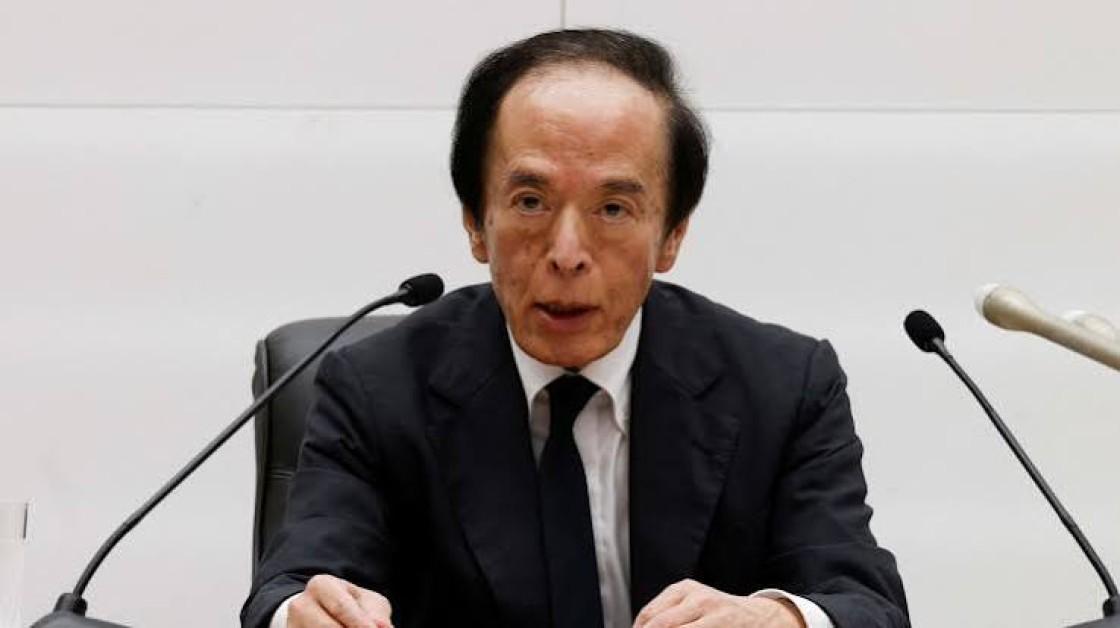
Bank of Japan Governor Kazuo Ueda said on November 18, 2026, that the central bank should continue raising interest rates as Japan moves further away from decades of exceptionally loose monetary policy and focuses on keeping inflation sustainably anchored around its 2% target.
Speaking in Japan's parliament, Ueda indicated that monetary conditions remained accommodative despite the central bank's recent rate increases, leaving room for further policy adjustments.
His remarks reinforced expectations that the Bank of Japan could raise borrowing costs again in the coming months, although the governor did not announce a specific date or size for the next increase.
The central bank maintained its short-term policy interest rate at 1.25% during its October 30 meeting, following earlier increases intended to gradually normalise monetary conditions.
At that meeting, policymakers signalled a significant change in their approach to inflation.
After spending nearly 14 years working to achieve sustained price growth, the Bank of Japan is increasingly focused on preventing inflation from rising persistently above its target.
Ueda's latest comments suggest that the central bank believes Japan's economy has made sufficient progress toward stable inflation to justify continued withdrawal of monetary accommodation.
However, the governor emphasised that future decisions would depend on economic activity, consumer prices and financial market conditions.
The policy outlook carries implications for the Japanese yen, government bond yields, domestic borrowing costs and international capital flows.
Bank of Japan Interest Rate Outlook: Key Highlights

|
Particulars |
Details |
|---|---|
|
Central bank |
Bank of Japan |
|
Governor |
Kazuo Ueda |
|
Statement date |
November 18, 2026 |
|
Location |
Japanese parliament, Tokyo |
|
Current policy interest rate |
1.25% |
|
Last monetary policy meeting |
October 30, 2026 |
|
Decision at last meeting |
Rate held unchanged |
|
Inflation target |
2% |
|
Policy direction |
Further increases considered appropriate |
|
Main objective |
Anchor underlying inflation around 2% |
|
Key consideration |
Economic, price and financial conditions |
|
Next major policy focus |
December 2026 meeting |
|
Additional concern |
Government bond market stability |
The governor's statement signals the direction of policy rather than a commitment to a predetermined schedule of rate increases.
Kazuo Ueda Says Monetary Conditions Remain Accommodative
Ueda's latest remarks centred on the assessment that Japan's financial conditions remain supportive of economic activity.
This is important because a policy interest rate can rise while monetary conditions remain relatively loose.
Why the Bank of Japan Sees Room for Further Hikes
The central bank evaluates the policy rate alongside inflation, lending conditions and broader economic developments.
Even after recent increases, Japan's borrowing costs remain relatively low compared with those in several other major economies.
Gradual Withdrawal of Monetary Stimulus
The Bank of Japan has been reducing the extraordinary support introduced during Japan's prolonged struggle with weak inflation.
Further rate increases would continue that process.
No Fixed Rate-Hike Schedule
Ueda did not specify how quickly interest rates should rise.
Instead, he indicated that policy should respond to changes in the economy, inflation and financial conditions.
This approach gives the central bank flexibility if economic conditions change unexpectedly.
Bank of Japan Holds Interest Rate at 1.25% in October
At its October 30 policy meeting, the Bank of Japan decided to maintain its benchmark rate at 1.25%.
The decision allowed policymakers additional time to evaluate the impact of previous increases.
Why the Central Bank Paused
Interest rate changes influence the economy gradually.
Higher borrowing costs can affect lending, investment and household spending over several months.
The Bank of Japan therefore needs to assess the cumulative impact of earlier policy decisions.
Inflation Risks Remain
Although the bank held rates steady, it signalled concern that inflation could exceed its target.
December Meeting Attracts Attention
The December policy meeting is being watched as a possible opportunity for another increase.
However, a December hike remains a possibility rather than a confirmed decision.
Japan's Monetary Policy Enters a New Phase
The Bank of Japan's policy approach has changed substantially since the period of negative interest rates and extensive monetary stimulus.
For many years, Japan struggled with weak demand, low inflation and recurring concerns about deflation.
The central bank responded with unusually accommodative policies intended to encourage borrowing, spending and investment.
Earlier Policy Objective
The priority was to raise inflation sustainably toward 2%.
Current Policy Objective
The focus is increasingly on maintaining inflation around 2% without allowing excessive price increases.
Why the Transition Matters
A central bank seeking to generate inflation may keep interest rates exceptionally low.
A central bank seeking to prevent inflation from overshooting its target may need to increase borrowing costs.
The transition represents an important change in Japan's economic policy environment.
Bank of Japan's Long Campaign Against Deflation
Japan's monetary policy has been shaped by decades of weak inflation and subdued domestic demand.
Low Inflation Environment
For extended periods, Japanese consumer prices rose slowly or declined.
Weak Wage Growth
Limited wage increases contributed to restrained household spending.
Extraordinary Monetary Stimulus
The Bank of Japan introduced measures including large-scale asset purchases and negative interest rates.
Inflation Target
The central bank adopted a 2% inflation objective to support price stability and economic activity.
Policy Normalisation
As inflation and wage conditions improved, the bank began withdrawing extraordinary monetary support.
The November 2026 remarks indicate that policymakers now see the need to continue that process.
Why the 2% Inflation Target Is So Important
Ueda emphasised that the Bank of Japan must keep underlying inflation anchored around its 2% target over time.
The distinction between temporary price increases and sustained inflation is central to the bank's decision-making.
Temporary Inflation
Energy prices, exchange-rate movements and other external factors can produce short-term changes in consumer prices.
Underlying Inflation
Underlying inflation reflects more persistent price pressures associated with domestic demand, wages and business pricing behaviour.
Stable Inflation Expectations
When businesses and households expect inflation to remain near a consistent level, it can influence wage negotiations, investment and spending decisions.
Monetary Policy Response
The Bank of Japan aims to adjust interest rates so that inflation remains consistent with its target.
The challenge is to achieve that objective without unnecessarily weakening economic growth.
Inflation Risks Shift From Undershooting to Overshooting
The Bank of Japan's October policy assessment marked an important change in emphasis.
After years of concern that inflation would remain too low, policymakers are increasingly attentive to the possibility of excessive price growth.
Energy Prices
Higher energy costs can increase transportation, manufacturing and household expenses.
Import Prices
A weaker yen can make imported goods more expensive.
Wage Growth
Higher wages can support consumption but may also contribute to sustained price increases.
Corporate Pricing
Businesses may pass higher costs on to customers.
Inflation Expectations
Persistent expectations of higher prices can influence wage and pricing decisions.
These factors help explain why the Bank of Japan sees continued interest rate increases as potentially necessary.
Wage Growth Remains Central to Japan's Economic Outlook
Wages play an important role in determining whether inflation is sustainable.
Household Purchasing Power
Higher nominal wages can support spending, but the effect depends on inflation.
Real Wage Growth
When wages rise faster than consumer prices, households gain purchasing power.
Consumer Demand
Stronger purchasing power can support retail spending and services activity.
Business Costs
Higher labour costs may influence company pricing decisions.
Policy Implications
The Bank of Japan must assess whether wage and price developments are consistent with stable economic growth.
A sustained cycle of moderate wage increases and inflation would support the central bank's normalisation strategy.
Planned Food Consumption Tax Cut Could Support Growth
Ueda also addressed the Japanese government's proposal to reduce consumption tax on food.
He indicated that the measure could support economic growth by improving households' real purchasing power.
How a Food Tax Cut Could Help Consumers
Reducing the tax burden on food purchases could lower household expenses.
That would potentially leave consumers with more income available for other spending.
Potential Economic Benefits
Additional purchasing power could support domestic consumption.
Uncertain Inflation Impact
The overall effect on inflation would depend on how businesses adjust prices and how consumers respond.
Bank of Japan's Position
Ueda said the central bank would assess the measure once its details were finalised.
The policy's implications would then be incorporated into future monetary policy decisions.
Why the Tax Proposal Complicates Monetary Policy
Fiscal policy and monetary policy influence economic activity through different channels.
Government tax reductions can support household spending.
Central bank interest rate increases can moderate demand and inflation.
Potentially Different Policy Effects
A food tax cut could increase purchasing power.
Higher interest rates could raise financing costs.
Consumer Behaviour Matters
Households may spend additional disposable income or increase savings.
Corporate Pricing Matters
Businesses may pass tax reductions through to consumers to varying degrees.
Central Bank Assessment
The Bank of Japan will need to consider the combined effect on economic growth and underlying inflation.
The outcome cannot be determined solely from the announcement of a proposed tax cut.
Japanese Government Bond Yields Come Into Focus
Ueda also discussed the possibility of emergency bond purchases by the Bank of Japan.
The issue is important because Japanese government bond yields can influence financing conditions across the economy.
What Are Government Bond Yields?
Bond yields reflect the return investors receive from holding government debt.
They are influenced by interest rate expectations, inflation and demand for securities.
Why Yields May Rise
Expectations of higher policy rates can contribute to rising bond yields.
Government Borrowing Costs
Higher yields may increase the cost of issuing new government debt.
Financial Market Effects
Bond market movements can affect banks, insurers, pension funds and other investors.
Ueda Warns Against Using Bond Purchases to Cap Yields
The governor said emergency bond purchases should be considered in light of market conditions.
He indicated that the central bank would evaluate whether serious disruptions to market functioning justified intervention.
However, he cautioned against using bond purchases simply to suppress long-term yields.
Why the Distinction Matters
Emergency operations may be intended to restore orderly market functioning.
Attempts to maintain artificially low yields could be interpreted differently by investors.
Concerns About Government Financing
If markets perceive central bank bond purchases as a means of financing government spending, confidence in monetary discipline could weaken.
Potential Consequences
Such perceptions could increase volatility in long-term interest rates.
Bank of Japan's Approach
Ueda's remarks suggest that bond purchases would be assessed as a market-stability tool rather than an automatic response to rising yields.
Japanese Yen Could Respond to Further Rate Hikes
Interest rate expectations are an important influence on currency markets.
The Japanese yen is particularly sensitive to differences between Japanese interest rates and those of other major economies.
Interest Rate Differentials
When Japanese rates are substantially below foreign rates, investors may seek higher returns abroad.
Potential Effect of BOJ Tightening
Higher Japanese rates can reduce some of that interest rate gap.
Currency Market Response
A narrowing differential may support the yen, although exchange rates depend on many other factors.
Inflation Implications
A stronger yen can reduce the local-currency cost of some imports.
A weaker yen can increase import costs and contribute to inflation.
The Bank of Japan does not set interest rates solely to target a particular exchange rate.
Yen Carry Trade Faces Changing Conditions
Japan's historically low interest rates have supported borrowing strategies known as yen carry trades.
In a typical carry trade, investors borrow in a lower-interest-rate currency and invest in assets offering higher yields.
Why Japan Has Been Important
Low Japanese borrowing costs made the yen a common funding currency.
Effect of Rising Rates
Higher Japanese interest rates can increase funding costs.
Currency Risk
Changes in the yen's value can affect returns.
Potential Market Volatility
If investors reduce carry-trade positions rapidly, movements can occur across currencies, bonds and other financial assets.
However, further Bank of Japan rate increases would not necessarily produce a disorderly unwind.
The impact depends on the scale of positions, market expectations and global financial conditions.
Japanese Banks Could Experience Mixed Effects
Higher interest rates can influence banks through several channels.
Lending Margins
Banks may benefit when interest earned on loans rises faster than funding costs.
Deposit Costs
Higher rates may also increase the interest banks pay to depositors.
Loan Demand
More expensive borrowing can reduce demand for some types of credit.
Bond Portfolios
Rising yields can reduce the market value of existing fixed-rate bonds.
Credit Quality
Borrowers facing higher financing costs may experience additional financial pressure.
The overall effect on Japanese banks will depend on their balance sheets and business models.
Impact on Japanese Households and Businesses
Continued monetary tightening could affect different parts of Japan's economy.
|
Economic area |
Potential impact of higher interest rates |
|---|---|
|
Household savings |
Higher returns on some deposits |
|
Variable-rate mortgages |
Potential increase in borrowing costs |
|
Corporate loans |
More expensive financing |
|
Business investment |
Greater scrutiny of investment returns |
|
Consumer spending |
Possible moderation in credit-sensitive purchases |
|
Banking sector |
Changes in lending margins and funding costs |
|
Government bonds |
Higher yields and valuation changes |
|
Japanese yen |
Potential support through narrower rate differentials |
|
Equity markets |
Sector-specific valuation effects |
|
Inflation |
Gradual moderation in demand-related pressures |
The magnitude of these effects depends on how quickly rates rise and how the economy responds.
Japanese Stock Markets Face a Changing Interest Rate Environment
Monetary policy normalisation can influence equity valuations.
Financial Stocks
Some financial institutions may benefit from improved interest income.
Exporters
Currency movements can affect the value of overseas revenue when converted into yen.
Property Companies
Higher borrowing costs can influence financing and property investment.
Technology Companies
Interest rate changes may affect valuations of businesses whose expected earnings are concentrated in future years.
Domestic Consumption
Household spending trends remain important for retailers and service providers.
Investors must therefore evaluate the effect of higher rates at the sector and company level.
Global Central Banks Are Influencing Japan's Policy Outlook
Ueda has emphasised the importance of monitoring international monetary policy.
Decisions by major central banks can affect currencies, bond yields and financial conditions in Japan.
United States Federal Reserve
Changes in US interest rates can influence the dollar-yen exchange rate.
European Central Bank
European monetary policy affects international capital markets and interest rate differentials.
Global Inflation
Energy prices and international supply conditions can influence inflation across multiple economies.
Capital Flows
Investors adjust international portfolios in response to changing returns.
The Bank of Japan must therefore consider domestic conditions alongside developments in global financial markets.
Why the December 2026 BOJ Meeting Matters
The central bank's next major policy decision is attracting attention because of the possibility of another interest rate increase.
Market Expectations
A Reuters survey reported that most economists expected the Bank of Japan to raise its policy rate to 1.5% in December.
That would represent a 25-basis-point increase from the current 1.25%.
No Advance Commitment
Ueda has not committed to a December increase.
Data Dependence
The decision will depend on inflation, economic activity and financial conditions.
Potential Outcomes
The bank could increase rates or leave them unchanged depending on its assessment.
The November 18 statement reinforces a tightening bias but does not guarantee a particular decision.
What Is Japan's Neutral Interest Rate?
The neutral interest rate is the theoretical rate at which monetary policy neither stimulates nor restrains economic activity.
It is an important concept in the Bank of Japan's normalisation process.
Below Neutral
Interest rates below the neutral level are generally considered accommodative.
Above Neutral
Rates above the neutral level are generally considered restrictive.
Why Estimation Is Difficult
The neutral rate cannot be observed directly.
Economists estimate it using models and economic data.
Implications for Japan
Bank of Japan policymakers have debated how close the current policy rate is to neutral.
The uncertainty makes it difficult to determine precisely how many additional rate increases may be appropriate.
What the BOJ's September Meeting Minutes Revealed
Minutes from the central bank's September meeting showed that policymakers broadly recognised the need for further rate increases.
Some members also discussed the possibility of accelerating tightening if inflation risks intensified.
Inflation Concerns
Policymakers considered the risk that prices could rise faster than expected.
Neutral Rate Debate
Members discussed the level of interest rates consistent with a balanced economy.
Financial Conditions
The board emphasised the importance of monitoring the cumulative effects of previous hikes.
Policy Flexibility
The discussions suggested that the pace of normalisation could change depending on economic developments.
These themes are consistent with Ueda's November 18 remarks.
Implications for India and Other Asian Economies
Japan's monetary policy can influence financial markets beyond its borders.
International Capital Flows
Japanese investors hold substantial overseas assets.
Changes in domestic interest rates can affect the relative attractiveness of foreign investments.
Currency Markets
Yen movements can influence other Asian currencies through trade and financial channels.
Japanese Investment Abroad
Japanese companies and financial institutions invest in overseas businesses and infrastructure.
Higher domestic financing costs may influence some investment decisions.
Indian Financial Markets
Changes in global liquidity and currency markets can affect emerging-market investor sentiment.
However, the impact on India will depend on broader international conditions rather than Japanese monetary policy alone.
What Investors Should Monitor Next
|
Indicator |
Why it matters |
|---|---|
|
BOJ December policy decision |
Determines the next rate move |
|
Japan consumer inflation |
Measures price pressures |
|
Underlying inflation |
Indicates persistence of inflation |
|
Wage growth |
Influences household purchasing power |
|
Private consumption |
Shows domestic demand |
|
Japanese government bond yields |
Reflect interest rate expectations |
|
USD/JPY exchange rate |
Indicates currency market response |
|
Business investment |
Measures corporate confidence |
|
Bank lending conditions |
Shows transmission of monetary policy |
|
Food consumption-tax proposal |
Could influence demand and prices |
|
Global central bank decisions |
Affect interest rate differentials |
|
Energy prices |
Influence import costs and inflation |
Together, these indicators will help determine the appropriate pace of monetary policy normalisation.
Outlook for Japan's Monetary Policy
The Bank of Japan appears increasingly confident that its long-running effort to establish sustained inflation has made significant progress.
The central bank's challenge is now to maintain price stability without unnecessarily restricting economic activity.
Ueda's November 18 comments indicate that further interest rate increases remain appropriate while financial conditions are accommodative.
However, the pace of tightening is likely to depend on the strength of household spending, wage growth, inflation and financial markets.
The proposed food consumption-tax reduction introduces another consideration because it could support consumer purchasing power.
Government bond market developments will also remain important.
The central bank has indicated that it may respond to serious market disruptions but does not intend to use bond purchases simply to suppress long-term yields.
For investors, the December policy meeting will be a major event.
A rate increase would extend Japan's monetary policy normalisation, while a pause would provide additional time to evaluate economic conditions.
Either outcome will need to be assessed against the Bank of Japan's broader commitment to keeping underlying inflation anchored around 2%.
Conclusion
Bank of Japan Governor Kazuo Ueda signalled on November 18, 2026, that the central bank should continue raising interest rates as Japan progresses toward a more normal monetary policy environment.
Speaking in parliament, Ueda said financial conditions remained accommodative and emphasised the importance of keeping underlying inflation sustainably anchored around the central bank's 2% target.
His remarks followed the Bank of Japan's October 30 decision to maintain its policy rate at 1.25%.
The central bank has increasingly shifted its focus from combating persistently low inflation to preventing price growth from overshooting its target.
Ueda also addressed the Japanese government's proposed food consumption-tax reduction, which could support household purchasing power, and warned against using central bank bond purchases merely to contain long-term yields.
The comments reinforce expectations of additional monetary tightening, although the governor did not announce a fixed schedule.
The December policy meeting will be closely watched for signs of the next rate increase.
For Japan's economy and global financial markets, the central question is how quickly the Bank of Japan can normalise borrowing costs while maintaining stable inflation, sustainable wage growth and orderly financial conditions.
 Bank of Japan Governor Kazuo Ueda Signals More Rate Hikes as Inflation Risks Grow in 2026 FAQs

POST A COMMENT (0)
All Comments (0)
Replies (0)