





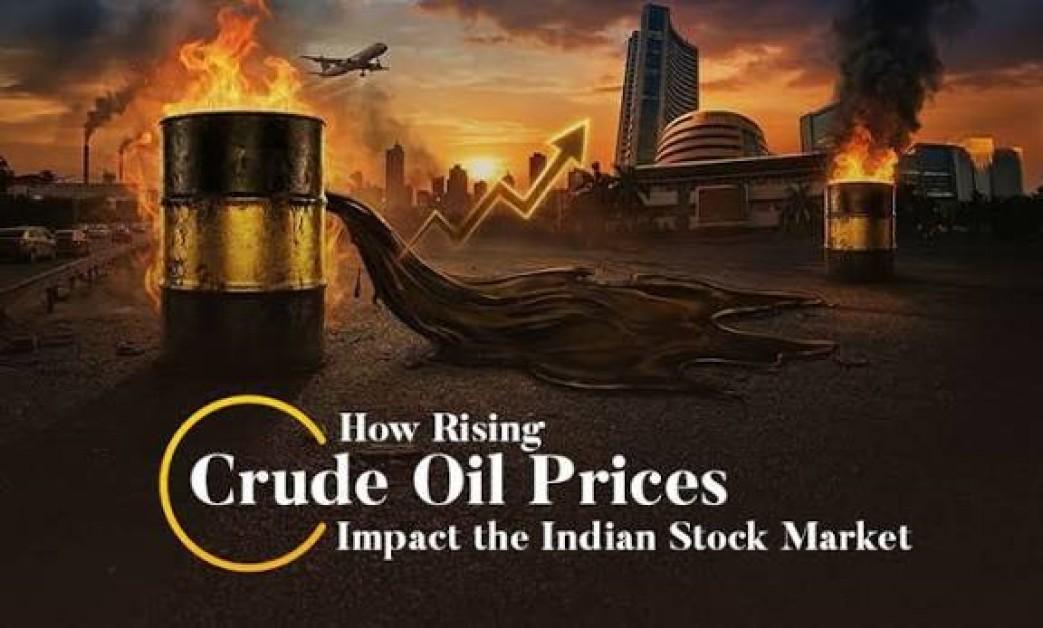
Rising Oil Prices Become the Biggest Risk for India's Economy and Financial Markets
Rising global crude oil prices have emerged as one of the most significant risks facing India's economy and financial markets, increasing concerns over inflation, external balances, corporate profitability and monetary policy. As one of the world's largest crude oil importers, India remains highly sensitive to sustained increases in international energy prices.
Higher oil prices can influence a broad range of economic indicators, including inflation, the current account deficit, fiscal management, consumer spending and business costs. Financial markets are also closely monitoring developments in the global energy market because of their potential impact on bond yields, currency movements and investor sentiment.
Oil Prices Influence Inflation

Crude oil plays a central role in determining inflation across the economy.
Higher energy prices can increase:
-
Fuel costs
-
Transportation expenses
-
Manufacturing costs
-
Logistics charges
-
Electricity generation costs
-
Agricultural input costs
-
Consumer prices
-
Business operating expenses
Persistent increases in energy costs can gradually feed into broader inflation across multiple sectors.
Import Dependence Increases Vulnerability
India imports a substantial share of its crude oil requirements, making the economy particularly exposed to global price fluctuations.
Higher import bills can affect:
-
Current account deficit
-
Trade balance
-
Foreign exchange reserves
-
Currency stability
-
External financing
-
Fiscal management
-
Energy security
-
Economic growth
Managing import costs remains an important policy priority.
RBI Closely Monitors Energy Inflation
The Reserve Bank of India considers energy prices an important component of the inflation outlook.
Key policy considerations include:
-
Consumer inflation
-
Inflation expectations
-
Monetary policy
-
Interest rates
-
Liquidity conditions
-
Currency stability
-
Economic growth
-
Financial stability
Sustained increases in oil prices could influence future monetary policy decisions if inflationary pressures intensify.
Corporate Profitability Faces Pressure
Higher energy prices can increase operating expenses across multiple industries.
Sectors most affected include:
-
Aviation
-
Logistics
-
Manufacturing
-
Chemicals
-
Cement
-
Consumer goods
-
Transportation
-
Power generation
Companies may seek to improve efficiency, absorb costs or pass part of the increase to customers, depending on market conditions.
Financial Markets React to Oil Price Volatility
Global energy prices remain an important driver of investor sentiment.
Market impacts can include:
-
Equity market volatility
-
Bond yield movements
-
Currency fluctuations
-
Commodity price changes
-
Foreign investment flows
-
Sector rotation
-
Corporate earnings expectations
-
Risk sentiment
Energy-intensive industries often experience greater share price sensitivity during periods of sustained oil price increases.
Rupee Performance Remains Important
Higher crude oil imports generally increase demand for foreign currency, making exchange-rate movements an important consideration.
Currency trends influence:
-
Import costs
-
Export competitiveness
-
Inflation
-
Foreign investment
-
External debt servicing
-
Corporate earnings
-
Trade flows
-
Market confidence
A stable currency can help moderate some of the economic impact of higher oil prices.
Government Finances Could Be Affected
Higher global energy prices may also influence fiscal management.
Areas that require close monitoring include:
-
Energy subsidies
-
Tax collections
-
Government expenditure
-
Infrastructure spending
-
Fiscal deficit
-
Public finances
-
Social welfare programmes
-
Capital investment
Maintaining fiscal discipline remains an important objective during periods of commodity price volatility.
Consumers Face Higher Living Costs
Energy prices have a direct impact on household expenditure.
Potential effects include:
-
Fuel expenses
-
Transportation costs
-
Food prices
-
Utility bills
-
Consumer goods
-
Travel expenses
-
Inflation expectations
-
Disposable income
Higher living costs can influence consumer spending patterns and overall economic demand.
Energy Security Gains Strategic Importance
Reducing vulnerability to global oil price volatility remains a long-term policy priority.
Key initiatives include:
-
Renewable energy
-
Electric mobility
-
Ethanol blending
-
Domestic energy production
-
Strategic petroleum reserves
-
Energy efficiency
-
Green hydrogen
-
Diversified energy sources
These initiatives aim to improve long-term energy resilience while reducing dependence on imported fossil fuels.
Global Developments Continue to Influence Prices
International oil prices remain sensitive to several external factors.
Important drivers include:
-
Geopolitical tensions
-
Global demand
-
OPEC+ production decisions
-
Supply disruptions
-
Shipping conditions
-
Economic growth
-
Inventory levels
-
Currency movements
These variables continue influencing price trends in global energy markets.
Domestic Growth Remains Resilient
Despite external risks, India's economy continues benefiting from strong structural drivers.
These include:
-
Domestic consumption
-
Infrastructure investment
-
Manufacturing expansion
-
Services sector growth
-
Digital economy
-
Financial inclusion
-
Urbanisation
-
Public capital expenditure
These strengths help provide resilience against external economic shocks.
Risks to Monitor
Investors and policymakers should continue monitoring:
-
Crude oil prices
-
Inflation
-
Current account deficit
-
Rupee movements
-
RBI monetary policy
-
Fiscal developments
-
Corporate earnings
-
Global economic growth
-
Geopolitical tensions
-
Energy supply conditions
These factors will shape the outlook for India's economy and financial markets.
What Investors Should Watch
Market participants should focus on:
-
International crude oil benchmarks
-
Inflation data
-
RBI policy decisions
-
Government bond yields
-
Foreign portfolio investment flows
-
Corporate margin trends
-
Rupee performance
-
Fiscal policy
-
Current account data
-
Global energy market developments
These indicators will provide important signals regarding the economic impact of higher energy prices.
Outlook
Global crude oil prices are expected to remain a key variable influencing India's macroeconomic outlook over the coming quarters.
While India's diversified economy and strong domestic demand provide resilience, sustained increases in energy prices could create inflationary pressures, affect external balances and influence monetary policy.
Continued investment in renewable energy, domestic infrastructure and energy diversification is expected to remain central to reducing long-term exposure to global oil price volatility.
Conclusion
Rising crude oil prices have become one of the most important risks facing India's economy and financial markets, with implications for inflation, growth, fiscal management and investor sentiment.
Although India's structural economic strengths continue to support long-term growth, policymakers, businesses and investors will closely monitor developments in global energy markets to assess their impact on inflation, corporate profitability and monetary policy.
As the country continues expanding renewable energy capacity and improving energy security, reducing dependence on imported crude oil is expected to remain a long-term strategic priority.
 Rising Oil Prices Emerge as the Biggest Risk for India's Economy FAQs
POST A COMMENT (0)
All Comments (0)
Replies (0)