





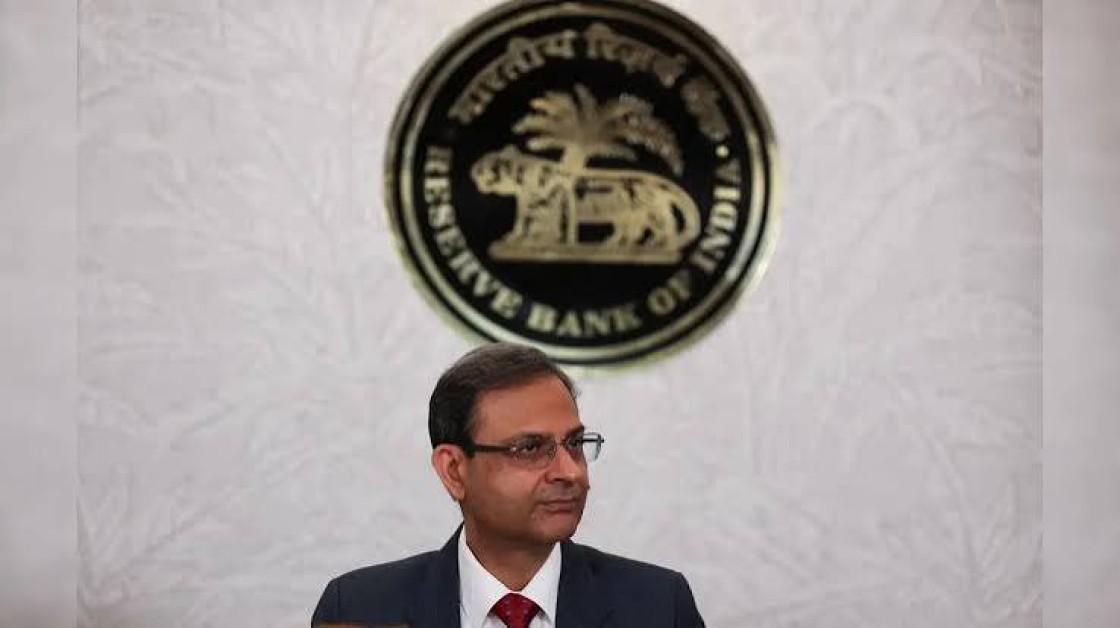
RBI Monetary Policy Decision Becomes Today's Biggest Business Story
The Reserve Bank of India's (RBI) latest monetary policy decision has emerged as today's most significant business development, drawing close attention from investors, businesses, financial institutions and economists. The Monetary Policy Committee (MPC) maintained the benchmark repo rate at 5.25% while reaffirming its commitment to balancing inflation management with sustainable economic growth.
Beyond the interest-rate decision, market participants focused on the RBI's updated assessment of inflation, GDP growth, liquidity conditions and future policy guidance. The announcement influenced sentiment across equity markets, government bonds, the foreign exchange market and interest-rate-sensitive sectors.
RBI Maintains Policy Stability

The central bank continued its measured approach to monetary policy.
Key highlights include:
-
Repo rate maintained at 5.25%
-
Neutral monetary policy stance retained
-
Continued emphasis on price stability
-
Support for sustainable economic growth
-
Stable liquidity management
-
Data-dependent policy approach
-
Commitment to financial stability
-
Balanced macroeconomic outlook
The decision broadly aligned with market expectations, reducing uncertainty for investors.
Inflation Outlook Remains a Key Focus
The RBI reiterated that inflation remains central to its policy framework.
Important indicators include:
-
Consumer Price Index (CPI)
-
Food inflation
-
Core inflation
-
Fuel prices
-
Commodity markets
-
Inflation expectations
-
Global energy prices
-
Supply-side risks
The central bank emphasised continued vigilance despite easing price pressures.
Growth Outlook Supports Business Confidence
The RBI highlighted the resilience of India's economy.
Key growth drivers include:
-
Strong domestic demand
-
Manufacturing expansion
-
Services sector growth
-
Infrastructure investment
-
Government capital expenditure
-
Private consumption
-
Credit growth
-
Business investment
These factors continue to support expectations for sustained economic expansion.
Financial Markets React to Policy
The policy announcement influenced multiple asset classes.
Markets closely monitored:
-
Sensex movements
-
Nifty performance
-
Banking stocks
-
Government bond yields
-
Rupee exchange rate
-
Money market rates
-
Foreign portfolio investment
-
Overall market sentiment
Investors assessed both the policy decision and the RBI's forward guidance.
Banking Sector Benefits From Stability
Banks continue evaluating the implications of the policy decision.
Key areas include:
-
Lending rates
-
Deposit mobilisation
-
Credit growth
-
Net interest margins
-
Treasury operations
-
Liquidity conditions
-
Funding costs
-
Asset quality
A stable policy environment supports efficient financial intermediation.
Businesses Gain Greater Planning Certainty
Corporate India welcomed policy continuity.
Potential benefits include:
-
Predictable borrowing costs
-
Improved capital planning
-
Higher investment confidence
-
Better cash flow management
-
Long-term expansion planning
-
Stable financing conditions
-
Stronger business sentiment
-
Enhanced operational visibility
Policy stability supports strategic investment decisions across industries.
Global Risks Continue to Shape Outlook
The RBI acknowledged that external developments remain important.
Investors continue monitoring:
-
Crude oil prices
-
Geopolitical tensions
-
U.S. Federal Reserve policy
-
Global interest rates
-
Currency movements
-
Commodity price volatility
-
International capital flows
-
Global economic growth
These factors may influence future policy decisions.
Risks to Monitor
Investors should continue monitoring:
-
Inflation trends
-
Crude oil prices
-
Foreign investment flows
-
Government bond yields
-
Rupee movements
-
Liquidity conditions
-
Corporate earnings
-
Fiscal policy developments
-
Global economic conditions
-
Future RBI communications
These variables will continue shaping financial market expectations.
What Investors Should Watch
Key indicators include:
-
RBI policy guidance
-
Inflation projections
-
GDP growth forecasts
-
Banking sector performance
-
Government bond yields
-
Foreign portfolio investment
-
Sensex and Nifty performance
-
Rupee exchange rate
-
Corporate earnings
-
Future MPC announcements
These metrics will help investors evaluate the outlook for India's economy and financial markets.
Outlook
The RBI's latest monetary policy decision reinforces confidence in India's macroeconomic stability by maintaining a balanced approach to growth and inflation. Stable interest rates, supportive liquidity conditions and resilient domestic demand provide a constructive backdrop for businesses and investors.
While external challenges such as commodity price volatility, geopolitical developments and global monetary policy remain important, the RBI's measured stance offers flexibility to respond to changing economic conditions as needed.
Conclusion
The RBI's monetary policy decision has become today's defining business story, influencing expectations across financial markets, the banking sector and corporate India.
By maintaining the repo rate at 5.25% and retaining a balanced policy approach, the central bank has provided stability while preserving flexibility to address future economic developments.
Investors will continue monitoring inflation, GDP growth, liquidity conditions, corporate earnings, foreign capital flows and future RBI guidance to assess the direction of India's economic and financial outlook.
 RBI Monetary Policy Decision Becomes Today's Biggest Business Story FAQs
POST A COMMENT (0)
All Comments (0)
Replies (0)