





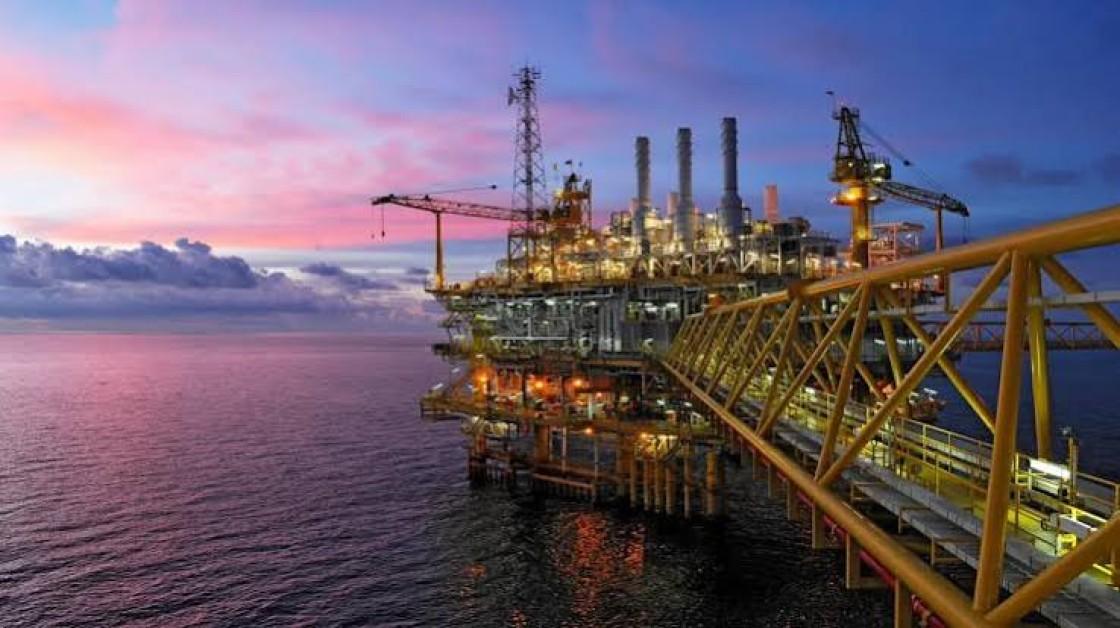
ONGC Suspends Offshore Platform Operations Following Gas Cooler Rupture and Fire
Oil and Natural Gas Corporation (ONGC), India's largest state-owned crude oil and natural gas producer, has temporarily suspended operations at an offshore oil platform following a fire reportedly triggered by the rupture of a gas cooler.
The incident has brought attention to operational safety and equipment reliability at offshore energy installations, where processing systems operate under demanding industrial conditions.
The temporary shutdown is intended to allow safety assessments and technical inspections before normal operations resume.
Offshore production facilities depend on interconnected systems for processing hydrocarbons, managing gas pressure and maintaining operational stability. A failure in one component can require the suspension of related operations to prevent further risks.
The financial and production implications of the incident will depend on the affected facility's capacity, the duration of the shutdown and the extent of any equipment damage.
Fire Breaks Out at NQG Platform in Mumbai High Oilfield

The incident occurred on Monday, October 12, 2026, at ONGC's NQG platform in the Mumbai High oilfield, located approximately 160 kilometres off India's western coast in the Arabian Sea.
The fire reportedly originated in Process Gas Compressor C (PGC-C) after a gas cooler component ruptured.
Personnel from the neighbouring NQO platform responded to the emergency and fought the blaze for more than an hour before bringing it under control.
No injuries were reported.
The incident led to a precautionary shutdown of the affected facility under established safety procedures. Subsequent reports indicated that the platform was brought back online later that evening, with wells being reconnected progressively.
An ONGC official also stated that overall operations had not been materially affected.
What Caused the Fire at ONGC's Offshore Platform?
Initial accounts identified the rupture of a gas cooler finger associated with Process Gas Compressor C as the immediate trigger.
Gas compressors are used in offshore production facilities to increase gas pressure for processing and transportation.
Cooling equipment helps control temperatures generated during compression, supporting safe and efficient operation.
A rupture in such equipment can release pressurised gas, creating a potential fire hazard if ignition occurs.
The precise underlying cause of the component failure has not been publicly established.
Determining whether the rupture resulted from mechanical fatigue, corrosion, pressure conditions or another factor would require a technical investigation.
Emergency Response Prevents Injuries
The emergency response involved personnel stationed at the nearby NQO platform.
Firefighting operations continued for more than an hour before the blaze was contained.
The absence of reported injuries was an important outcome, given the hazards associated with offshore hydrocarbon-processing facilities.
Such installations typically rely on emergency shutdown systems, fire detection equipment, isolation procedures and trained response personnel.
These measures are intended to limit the consequences of equipment failures and protect workers.
The reported response demonstrates the importance of emergency preparedness across interconnected offshore installations.
Platform Shutdown Followed Standard Safety Procedures
The affected facility was shut down as a precaution following the fire.
Temporary shutdowns allow operators to isolate damaged equipment, assess operating conditions and determine whether production systems can safely restart.
A senior ONGC official reportedly confirmed that the platform was brought back online late on October 12.
Wells were subsequently being connected one after another as operations moved toward normal conditions.
The staged restart is consistent with the need to verify system stability before returning connected production equipment to service.
Although the incident interrupted operations at the affected installation, ONGC indicated that its broader production activities had not been significantly disrupted.
Mumbai High Remains Critical to India's Domestic Oil Production
Mumbai High is India's largest offshore oilfield and one of the country's most important domestic hydrocarbon-producing assets.
Located in the Arabian Sea, the field has supported India's crude oil production for several decades.
It is broadly divided into Mumbai High North and Mumbai High South.
The offshore infrastructure includes production platforms, processing facilities, pipelines and associated support installations.
The NQG platform forms part of this network and handles natural gas processing before transportation to the mainland.
Because multiple facilities operate within an interconnected production system, equipment incidents require careful coordination.
Even a localised disruption can necessitate operational adjustments across associated infrastructure.
Potential Production and Revenue Impact
Reports indicated that the neighbouring NQO platform processes more than 40,000 barrels of crude oil per day.
At prevailing oil prices, a complete daily interruption at a facility processing that volume could represent approximately ₹4 crore in gross revenue exposure.
However, this figure is a hypothetical estimate rather than a confirmed financial loss from the October incident.
The actual impact depends on the duration of the interruption, the quantity of production deferred and whether volumes can be recovered subsequently.
ONGC's statement that broader operations remained unaffected suggests the incident did not result in a prolonged, field-wide production shutdown.
No confirmed financial loss or final production impact figure has been disclosed.
Offshore Equipment Reliability Becomes a Key Operational Consideration
The incident highlights the importance of maintaining critical mechanical equipment in offshore oil and gas production.
Offshore facilities operate in demanding environments involving high pressures, temperature variations, corrosive conditions and continuous mechanical stress.
Compressors, coolers, pipelines and other processing equipment require regular inspection and preventive maintenance.
Component integrity is especially important in systems handling flammable hydrocarbons.
Operators use engineering assessments, monitoring systems and maintenance programmes to identify potential equipment deterioration.
When failures occur, technical investigations can help determine whether changes to inspection procedures, operating conditions or equipment design are necessary.
The specific corrective measures following the NQG incident have not been publicly detailed.
Previous Offshore Safety Incidents Highlight Operational Risks
ONGC has experienced other offshore fire incidents, including a fire at its SHP platform in Mumbai High in April 2026.
That earlier incident resulted in minor injuries to ten personnel, who were reported to be stable after receiving medical care.
ONGC subsequently announced that operations at the SHP platform had been normalised.
The October incident at NQG is separate and involved a reported gas cooler rupture, with no injuries.
The two events underline the importance of continuous safety management across offshore facilities.
However, there is no established evidence that the incidents shared the same underlying technical cause.
Implications for India's Oil and Gas Industry
India remains dependent on imported crude oil to meet a substantial portion of domestic demand.
Domestic production from fields such as Mumbai High therefore contributes to energy security and helps reduce the volume of imports required.
Operational reliability at offshore installations is important for maintaining production and controlling costs.
Equipment failures can create expenses associated with repairs, inspections, deferred output and additional maintenance.
For upstream oil and gas companies, the challenge is to maintain production while managing the risks associated with complex industrial infrastructure.
The ONGC incident illustrates how even a localised equipment failure can require immediate operational intervention.
What Investors Should Monitor
For ONGC investors, the immediate considerations include the restoration of normal operations and the extent of any equipment damage.
The duration of the shutdown will influence whether the incident has a measurable effect on production volumes.
Repair costs, maintenance requirements and any subsequent technical findings may also be relevant.
Investors should distinguish temporary operational interruptions from sustained production losses.
A short shutdown followed by successful restoration may have limited financial consequences compared with a prolonged outage.
Future company disclosures could provide additional clarity on the incident's operational and financial implications.
Conclusion
The fire at ONGC's NQG platform in the Mumbai High oilfield highlights the operational risks associated with offshore oil and gas processing infrastructure.
The blaze, reportedly triggered by a ruptured gas cooler component, was brought under control after more than an hour of firefighting.
No injuries were reported, and the affected facility underwent a precautionary shutdown before operations began resuming later that evening.
ONGC indicated that its broader operations remained unaffected, although the final financial and production impact has not been quantified.
The incident reinforces the importance of equipment reliability, preventive maintenance and effective emergency response in maintaining safe and stable offshore energy production.
 ONGC Temporarily Shuts Offshore Oil Platform Following Fire Triggered by Ruptured Gas Cooler FAQs
POST A COMMENT (0)
All Comments (0)
Replies (0)