




Hindustan Aeronautics Q2 FY27 Results on November 12 Put Defence Aircraft Orders and Profitability in Focus
Bengaluru, November 12, 2026: Hindustan Aeronautics Limited (HAL) is scheduled to announce its financial results for the quarter and half-year ended September 30, 2026, with investors closely monitoring defence aircraft manufacturing, order execution, operating profitability and progress on major military aviation programmes.
The state-owned aerospace and defence manufacturer has scheduled a meeting of its board of directors for Thursday, November 12, to consider and approve its financial results.
The earnings announcement comes as HAL manages an order book exceeding ₹2.54 lakh crore, providing substantial long-term business visibility while increasing attention on manufacturing capacity, supply-chain readiness and aircraft delivery schedules.
Investors will examine whether the company's defence contracts are translating into stronger revenue and sustainable earnings.
Particular attention will be directed toward the Light Combat Aircraft (LCA) Tejas programme, helicopter manufacturing, aircraft engine supplies and maintenance-related operations.
HAL's financial performance is closely linked to India's military aviation requirements and the government's efforts to strengthen domestic defence manufacturing capabilities.
The September-quarter announcement will therefore provide an important indication of how effectively the company is converting its order book into operational and financial performance.
HAL Board Meeting Scheduled for November 12

Hindustan Aeronautics informed stock exchanges on October 27, 2026, that its board would meet on November 12 to consider and approve the financial results for the period ended September 30.
The scheduled announcement covers the second quarter and first half of FY2026–27.
The company's regulatory filing refers to audited financial results for the reporting period.
Investors will examine revenue from operations, profit before tax, net profit, earnings per share and other financial indicators.
The company has not specified a confirmed announcement time.
Consequently, the timing of the official financial disclosure will depend on the completion of the board meeting and subsequent exchange filings.
The scheduled meeting establishes the reporting event but does not itself confirm the September-quarter revenue or profit figures.
HAL Q2 FY27 Earnings: Key Indicators to Watch
| Indicator | Investor Focus |
|---|---|
| Revenue from operations | Growth from aircraft manufacturing, helicopters and services |
| Net profit | Earnings growth compared with Q2 FY26 |
| Operating margins | Manufacturing efficiency and contract profitability |
| Order execution | Conversion of defence contracts into deliveries and revenue |
| Tejas programme | Aircraft production and delivery progress |
| Helicopter manufacturing | Execution of military helicopter requirements |
| Order book | New contracts and outstanding commitments |
| Working capital | Inventories, receivables and cash generation |
The results will help investors assess the relationship between HAL's substantial order book and its quarterly financial performance.
Large defence contracts provide revenue opportunities over several years.
However, their financial contribution depends on manufacturing milestones, customer acceptance and delivery schedules.
HAL's ₹2.54 Lakh Crore Order Book Draws Investor Attention
HAL enters the September-quarter earnings announcement with an order book exceeding ₹2.54 lakh crore.
The substantial backlog reflects long-term demand for aircraft, helicopters, engines and related aerospace services.
An order book represents contracted business that remains to be executed.
It provides visibility into future activity but should not be treated as revenue already earned.
For defence manufacturers, order execution may extend across several financial years.
Revenue recognition depends on contractual terms, production progress and applicable accounting requirements.
HAL's large order book strengthens visibility over future manufacturing activity.
However, it also increases the importance of execution capacity.
Investors will monitor whether the company can deliver equipment on schedule while maintaining profitability and quality standards.
Tejas Fighter Aircraft Deliveries Remain a Major Focus
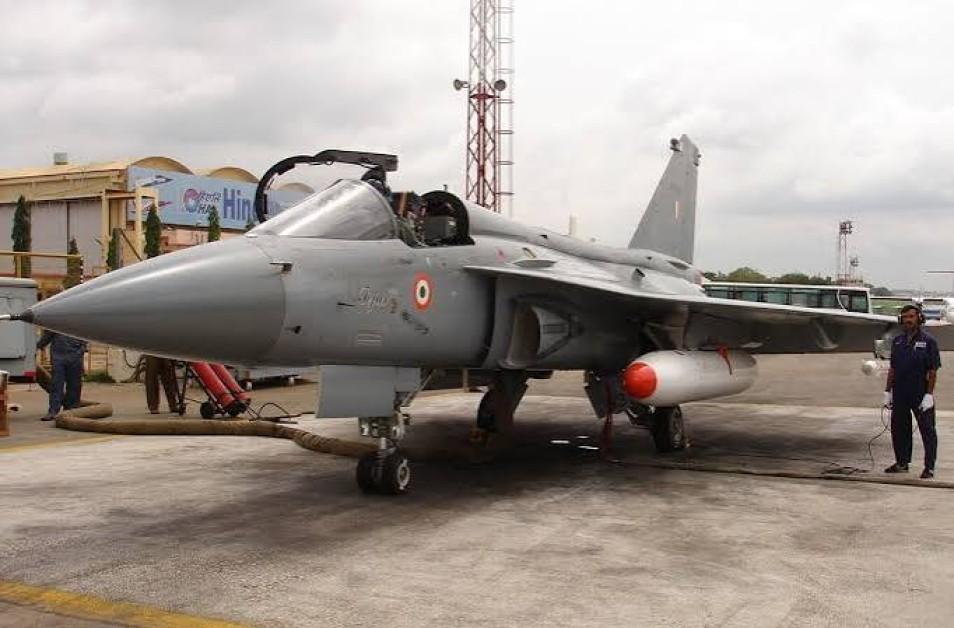
The LCA Tejas programme is one of HAL's most important aircraft manufacturing activities.
The aircraft is part of India's efforts to strengthen domestic combat aviation capabilities.
HAL is responsible for manufacturing Tejas aircraft under contracts associated with the Indian Air Force.
The Tejas Mk1A programme is particularly important because it involves advanced systems and substantial production commitments.
Aircraft manufacturing requires coordination across airframe structures, avionics, engines, electronic systems and testing.
The delivery schedule depends on the availability and integration of these components.
Investors will monitor progress on aircraft production and customer deliveries.
However, aircraft completion and financial revenue recognition are not necessarily identical events.
The financial impact depends on contractual milestones and accounting treatment.
Aircraft Engine Availability Influences Production
Aircraft engines are among the most critical components in military aviation manufacturing.
Their availability can affect assembly schedules, testing and final aircraft deliveries.
Modern combat aircraft require highly specialised propulsion systems that must meet strict performance and safety requirements.
International supply chains can influence the availability of such equipment.
For HAL, engine deliveries and integration remain important operational considerations.
Any delay in a critical component can affect the timing of aircraft completion.
However, the financial consequences depend on contract terms, production schedules and the ability to adjust manufacturing activities.
Investors will look for updates on supply-chain readiness and its implications for the Tejas programme.
Helicopter Manufacturing Supports Business Diversification
HAL's helicopter operations represent another important part of its aerospace manufacturing portfolio.
The company manufactures and supports military helicopters for Indian defence customers.
Its product portfolio includes the Advanced Light Helicopter and other platforms developed for different operational requirements.
Helicopter manufacturing involves airframes, propulsion systems, transmission components, avionics and flight testing.
The business also creates opportunities for maintenance, repair and overhaul services throughout an aircraft's operational life.
Demand is influenced by military procurement requirements and fleet replacement programmes.
For HAL, helicopter manufacturing provides business diversification beyond fixed-wing combat aircraft.
Investors will assess whether helicopter-related contracts contribute to revenue growth and long-term earnings visibility.
Defence Procurement Decisions Shape Future Orders
HAL's business is closely connected to procurement decisions made by India's defence establishment.
Military aircraft and helicopter acquisitions involve technical evaluation, operational requirements and government approvals.
The Defence Acquisition Council plays a role in approving proposals at specified stages of the procurement process.
However, an Acceptance of Necessity does not itself represent a final manufacturing contract.
Contracts are awarded only after the required procurement procedures and approvals are completed.
This distinction is important when assessing future order opportunities.
Potential procurement programmes can provide visibility into demand, but they should not be added to HAL's confirmed order book before contract execution.
Investors will monitor new contract awards and their expected implementation schedules.
Q1 FY27 Results Provide a Financial Benchmark
HAL's June-quarter results provide a reference point for evaluating the September-quarter performance.
For Q1 FY27, the company reported revenue from operations of approximately ₹5,515.17 crore.
Net profit stood at approximately ₹1,589.66 crore.
Revenue increased approximately 14.4% year-on-year, while net profit rose around 14.9%.
The results demonstrated continued growth during the opening quarter of FY27.
However, defence manufacturing revenue can vary significantly between quarters.
Aircraft deliveries, project milestones and customer acceptance schedules may influence the timing of revenue recognition.
Consequently, sequential comparisons must be interpreted alongside the company's operational developments.
The first-half results will provide a broader view of performance across April–September 2026.
FY26 Performance Highlights HAL's Scale
HAL reported revenue from operations of approximately ₹33,089.79 crore for FY2025–26.
This represented growth of about 7% compared with ₹30,980.92 crore in the preceding financial year.
Profit after tax increased approximately 9% to ₹9,075.67 crore.
The annual results demonstrated HAL's position as a major participant in India's defence aerospace industry.
However, historical financial performance does not guarantee equivalent growth in subsequent quarters.
Revenue and profitability depend on the execution of contracts and the timing of manufacturing deliveries.
Investors will compare the September-quarter results with these longer-term financial trends.
Operating Margins Remain Important
HAL's profitability is influenced by its mix of manufacturing, maintenance and other aerospace activities.
Different contracts can generate different operating margins.
Manufacturing efficiency, procurement costs and production schedules also influence profitability.
Aircraft production requires substantial investment in facilities, equipment and specialised labour.
When production volumes increase, manufacturers may benefit from better utilisation of fixed assets.
However, higher output can also require additional working capital and expenditure on materials.
The September-quarter results will provide updated information about HAL's operating performance.
Investors will examine whether earnings growth is supported by stronger margins, higher revenue or other income.
Maintenance, Repair and Overhaul Support Recurring Business
Maintenance, repair and overhaul services are an important component of the aerospace industry.
Military aircraft require inspections, repairs, upgrades and component replacements throughout their operational lives.
These activities help maintain aircraft availability and operational readiness.
HAL provides support services for various aircraft, helicopters and related systems.
Such operations can generate business beyond the initial manufacture and delivery of equipment.
However, maintenance revenue depends on customer requirements, contract arrangements and the timing of work performed.
Investors will assess the contribution of these services to HAL's overall financial performance.
The balance between manufacturing and maintenance activities can influence revenue patterns and margins.
Manufacturing Capacity Determines Order Execution
HAL's ability to execute its order book depends on production capacity and supply-chain coordination.
Aircraft manufacturing involves thousands of components and highly specialised engineering processes.
Production facilities must maintain strict quality-control standards.
Testing and certification requirements also influence delivery schedules.
Expanding manufacturing capacity may require investment in equipment, infrastructure and workforce development.
However, capacity expansion alone does not guarantee faster deliveries.
The availability of engines, avionics and other critical components remains essential.
For HAL, aligning manufacturing capacity with customer requirements will remain a major operational priority.
Supply-Chain Development Supports Defence Manufacturing
Domestic aerospace manufacturing depends on a network of suppliers providing components, materials and specialised services.
HAL works within an industrial ecosystem that includes public-sector enterprises, private manufacturers and technology partners.
Supply-chain development is important because aircraft production requires precision engineering and consistent component quality.
Increasing domestic sourcing can create opportunities for Indian aerospace suppliers.
However, some critical technologies and components may continue to depend on international partnerships.
For HAL, supply-chain resilience is important to reducing manufacturing delays and maintaining production schedules.
Investors will monitor whether improvements in supplier capacity support more predictable execution.
Defence Indigenisation Creates Long-Term Opportunities
India has placed significant emphasis on expanding domestic defence manufacturing.
The policy objective includes increasing local production capabilities and reducing dependence on imported military equipment.
HAL plays an important role in this industrial strategy.
The company participates in aircraft manufacturing, helicopter production, aerospace research and support services.
Domestic procurement programmes can create opportunities for sustained manufacturing activity.
However, the timing and scale of financial benefits depend on actual contract awards and successful execution.
Indigenisation also requires investment in technology, testing and supplier development.
For HAL, long-term competitiveness will depend on its ability to deliver reliable equipment while developing domestic aerospace capabilities.
Research and Development Remain Strategically Important
Military aerospace manufacturing requires continuous investment in research, engineering and technology development.
Aircraft systems must meet demanding requirements relating to performance, safety and operational reliability.
New programmes can involve extended development and testing periods.
Research and development activities may therefore require substantial investment before commercial or defence procurement benefits emerge.
HAL's participation in indigenous aerospace programmes provides opportunities to develop technical capabilities.
However, development timelines and costs can affect financial outcomes.
Investors will distinguish between established production contracts and programmes that remain under development.
The two categories involve different levels of execution and commercial risk.
Working Capital and Cash Flow Require Attention
Large aerospace manufacturing programmes can involve substantial working capital.
Manufacturers may need to purchase materials and undertake production before receiving all contractual payments.
Customer advances can help fund manufacturing activity, but their availability depends on contract terms.
Inventories, receivables and project milestones can influence operating cash flow.
HAL's half-year financial statements will provide updated information about cash generation and working capital.
These indicators are important because accounting profit does not always move in line with cash receipts.
For investors, sustainable earnings should be evaluated alongside the company's liquidity position and capital requirements.
HAL Shares Remain Sensitive to Earnings Expectations
HAL is listed on the National Stock Exchange under the symbol HAL and on the BSE under code 541154.
The company's share price is influenced by financial performance, defence procurement developments and investor expectations.
A substantial order book can support long-term revenue visibility.
However, equity valuations also depend on profitability, cash generation and the timing of contract execution.
Delays in manufacturing or deliveries may affect market sentiment even when future demand remains strong.
Conversely, improved execution and stronger margins can influence earnings expectations.
Investors will assess the September-quarter results against the company's existing valuation and longer-term business prospects.
India's Defence Aerospace Industry Continues to Develop
India's defence aerospace sector includes aircraft manufacturers, component suppliers, electronics companies and maintenance providers.
The industry requires substantial engineering expertise, investment and quality-control capabilities.
Military procurement programmes can support long-term demand for specialised manufacturing.
However, project execution involves technical complexity and regulatory requirements.
HAL's role in this ecosystem extends beyond aircraft assembly to the development and support of aerospace systems.
Its financial performance therefore provides an important company-level indicator of activity within India's defence aviation manufacturing sector.
Nevertheless, HAL's results should not be treated as a direct measure of the performance of every defence manufacturer.
Different companies operate across distinct products, contracts and customer markets.
Outlook for Hindustan Aeronautics in FY27
HAL enters the September-quarter earnings announcement with a substantial order book and continued demand for military aviation equipment.
The company's outlook will depend on aircraft and helicopter production, component availability and the execution of defence contracts.
Progress on the Tejas Mk1A programme will remain an important operational indicator.
Investors will also monitor maintenance-related activity and potential new procurement contracts.
Operating margins, working capital and cash generation will be important financial considerations.
The company must balance long-term manufacturing opportunities with the practical challenges of complex aerospace production.
The November 12 results will provide updated evidence of how effectively HAL is converting its business opportunities into revenue and profit.
Conclusion
Hindustan Aeronautics Limited is scheduled to review its financial results for the quarter and half-year ended September 30, 2026, at a board meeting on November 12.
The earnings announcement comes as the company manages an order book exceeding ₹2.54 lakh crore.
Investors will focus on aircraft manufacturing, Tejas deliveries, helicopter production, operating margins and the execution of major defence contracts.
HAL's Q1 FY27 performance, which included revenue of approximately ₹5,515 crore and net profit of ₹1,590 crore, provides a benchmark for evaluating the latest results.
However, the September-quarter figures must be assessed in the context of delivery schedules and the timing of revenue recognition.
For India's defence manufacturing industry, HAL's earnings will offer an important indication of progress in converting long-term aerospace procurement commitments into operational and financial performance.
 HAL Q2 FY27 Results on November 12: Defence Orders and Profitability in Focus FAQs

POST A COMMENT (0)
All Comments (0)
Replies (0)