





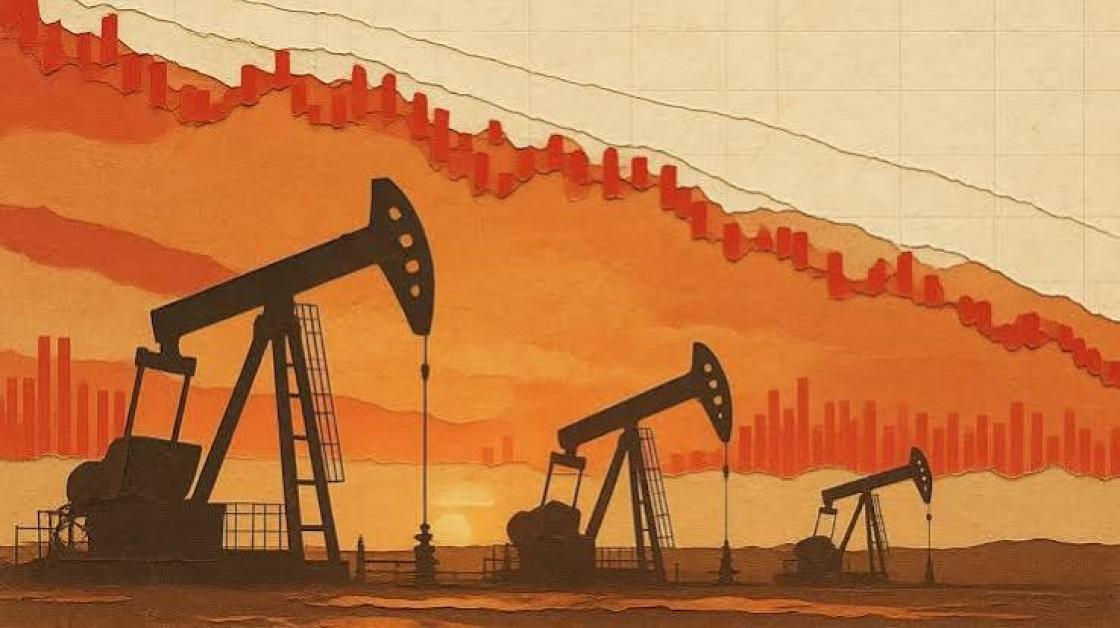
Falling Oil Prices Improve India's Inflation and Current Account Outlook
The recent decline in global crude oil prices is improving India's macroeconomic outlook by easing inflationary pressures and strengthening the country's current account position. As one of the world's largest crude oil importers, India benefits significantly from lower energy prices, which reduce import costs, moderate inflation and support fiscal and external stability.
The improvement in oil market conditions has also strengthened investor sentiment, with market participants viewing lower crude prices as supportive for economic growth, corporate profitability and financial market stability.
Lower Oil Prices Ease Inflationary Pressures

Crude oil is a key input for transportation, manufacturing and industrial production.
Lower oil prices can help reduce:
-
Fuel inflation
-
Transportation costs
-
Logistics expenses
-
Manufacturing input costs
-
Agricultural operating costs
-
Consumer price pressures
-
Business operating expenses
-
Energy-related inflation
A moderation in energy costs can contribute to a more stable inflation environment.
Current Account Outlook Improves
Lower crude import costs can strengthen India's external balance.
Potential benefits include:
-
Reduced oil import bill
-
Narrower current account deficit
-
Lower foreign exchange demand
-
Improved trade balance
-
Greater external stability
-
Stronger macroeconomic resilience
-
Better balance of payments
-
Enhanced investor confidence
A healthier current account position supports long-term economic stability.
RBI Gains Greater Policy Flexibility
Moderating inflation provides additional room for monetary policy planning.
The RBI will continue monitoring:
-
Inflation trends
-
Global oil prices
-
Domestic demand
-
Liquidity conditions
-
Interest-rate outlook
-
Exchange-rate stability
-
Capital flows
-
Economic growth
Lower oil prices can reduce inflation risks, although monetary policy decisions continue to depend on a broad range of economic indicators.
Corporate Profitability May Improve
Several sectors benefit when energy costs decline.
Industries that may gain include:
-
Airlines
-
Logistics
-
Transportation
-
Manufacturing
-
Chemicals
-
Consumer goods
-
Cement
-
Automotive
Lower operating costs can improve margins and support earnings growth.
Refiners Benefit From Lower Feedstock Costs
Indian oil refiners may also benefit from softer crude prices.
Key operational advantages include:
-
Lower raw material costs
-
Flexible procurement
-
Improved inventory management
-
Better working capital efficiency
-
Enhanced refining economics
-
Stable production planning
-
Export competitiveness
-
Operational efficiency
Refining performance will continue to depend on product demand and gross refining margins.
Financial Markets Respond Positively
Lower oil prices generally improve sentiment across financial markets.
Investors are monitoring:
-
Equity market performance
-
Government bond yields
-
Inflation expectations
-
Banking sector outlook
-
Corporate earnings
-
Foreign investment flows
-
Rupee stability
-
Economic growth prospects
Improved macroeconomic conditions often support broader market confidence.
Consumer Spending Could Receive Support
Lower fuel costs can increase disposable income and improve purchasing power.
Potential beneficiaries include:
-
Retail spending
-
Consumer discretionary sectors
-
Automobile demand
-
Travel and tourism
-
Hospitality
-
E-commerce
-
Entertainment
-
Household consumption
Higher consumer spending can provide additional support to economic growth.
Global Energy Markets Remain Dynamic
Despite the recent decline, crude oil prices continue to be influenced by global developments.
Key factors include:
-
OPEC+ production decisions
-
Geopolitical developments
-
Global economic growth
-
Energy demand
-
Shipping conditions
-
Inventory levels
-
Currency movements
-
Commodity market sentiment
Future price movements will continue to influence India's economic outlook.
Risks to Monitor
Investors should continue monitoring:
-
Global crude oil prices
-
Inflation trends
-
RBI monetary policy
-
Geopolitical developments
-
Exchange-rate movements
-
Global demand conditions
-
Foreign capital flows
-
Government fiscal position
-
Current account data
-
Commodity market volatility
These variables will shape the medium-term outlook for the Indian economy.
What Investors Should Watch
Key indicators include:
-
International crude oil prices
-
Consumer inflation (CPI)
-
Current account balance
-
RBI policy announcements
-
Government bond yields
-
Rupee performance
-
Corporate earnings
-
Foreign portfolio investment
-
Fuel demand
-
Economic growth indicators
These metrics will provide insight into the broader impact of lower oil prices on India's economy and financial markets.
Outlook
If global crude oil prices remain at relatively moderate levels, India is expected to benefit from improved macroeconomic stability, lower inflationary pressures and a stronger external sector.
The combination of easing energy costs, resilient domestic demand and prudent monetary policy could support sustainable economic growth while strengthening investor confidence.
However, developments in global energy markets and geopolitical conditions will remain important variables influencing the country's economic outlook.
Conclusion
The decline in global crude oil prices has improved India's inflation and current account outlook by lowering import costs and easing pressure on businesses and consumers.
These developments provide a favourable backdrop for the economy, financial markets and corporate profitability while giving policymakers greater flexibility in managing inflation and supporting growth.
Investors will continue monitoring oil prices, RBI policy, inflation, external sector performance and global market developments as key indicators of India's macroeconomic trajectory.
 Falling Oil Prices Improve India's Inflation and Current Account Outlook FAQs
POST A COMMENT (0)
All Comments (0)
Replies (0)