





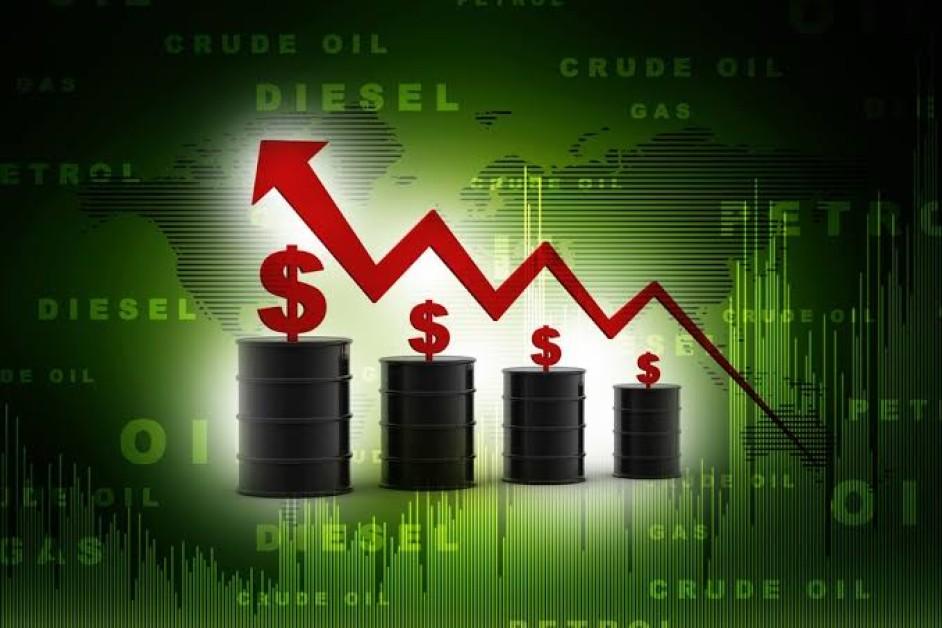
Declining Oil Prices Improve Global Market Sentiment and Inflation Outlook
Declining global oil prices are strengthening investor confidence and improving the outlook for inflation across major economies. Lower crude prices reduce input costs for businesses, ease inflationary pressures and support expectations that central banks may have greater flexibility in managing monetary policy. The development has also contributed to improved sentiment across global equity, bond and currency markets.
As energy costs remain one of the most significant drivers of inflation, sustained moderation in oil prices could provide broad-based benefits for consumers, businesses and governments.
Lower Energy Costs Ease Inflationary Pressure

Oil prices influence the cost of transportation, manufacturing and energy-intensive industries.
Key areas benefiting from lower crude prices include:
-
Transportation costs
-
Manufacturing expenses
-
Logistics operations
-
Aviation fuel
-
Shipping costs
-
Industrial production
-
Consumer goods pricing
-
Utility expenses
Lower energy costs can gradually reduce inflationary pressures across multiple sectors of the economy.
Financial Markets Respond Positively
Global financial markets often react favourably to declining oil prices when the decline is driven by improving supply conditions rather than weakening demand.
Potential market impacts include:
-
Stronger equity sentiment
-
Improved corporate earnings outlook
-
Lower bond yield volatility
-
Better investor confidence
-
Reduced inflation expectations
-
Stable currency markets
-
Increased risk appetite
-
Improved market liquidity
Investors generally view moderate energy prices as supportive of economic growth.
Businesses Benefit From Reduced Operating Costs
Many industries experience cost savings when crude oil prices decline.
Major beneficiaries include:
-
Airlines
-
Logistics companies
-
Manufacturing businesses
-
Chemicals industry
-
Consumer goods producers
-
Agriculture
-
Retail supply chains
-
Industrial exporters
Lower operating costs can improve profitability and provide businesses with greater pricing flexibility.
Consumers Gain From Lower Fuel Prices
Declining oil prices may eventually translate into lower fuel and transportation costs for households.
Potential consumer benefits include:
-
Reduced fuel expenses
-
Lower transportation costs
-
Improved household purchasing power
-
Moderating inflation
-
Stable prices for essential goods
-
Increased discretionary spending
-
Better consumer confidence
-
Support for economic activity
Improved consumer spending can contribute to broader economic growth.
Central Banks May Gain Greater Policy Flexibility
Moderating energy prices can influence inflation expectations and monetary policy decisions.
Potential implications include:
-
Reduced inflation risks
-
Improved price stability
-
Better policy flexibility
-
Stable financial conditions
-
Lower inflation expectations
-
Greater economic confidence
-
Improved business investment outlook
-
Enhanced market stability
Central banks continue to monitor energy prices alongside broader economic indicators when evaluating policy decisions.
Emerging Economies Could Benefit
Many energy-importing countries benefit from lower international crude oil prices.
Potential advantages include:
-
Reduced import bills
-
Improved trade balances
-
Lower inflation
-
Stronger currency stability
-
Better fiscal management
-
Improved external accounts
-
Enhanced economic resilience
-
Higher investment confidence
These benefits may support economic growth and financial stability.
Commodity Markets Continue to Influence Global Growth
Oil remains one of the world's most important commodities.
Market participants continue monitoring:
-
Global crude supply
-
Energy demand
-
Inventory levels
-
Geopolitical developments
-
Shipping conditions
-
Production policies
-
Industrial demand
-
Global economic activity
These factors continue to shape the direction of oil markets and inflation expectations.
Risks to Monitor
Despite the positive outlook, several uncertainties remain.
These include:
-
Geopolitical tensions
-
Supply disruptions
-
Production policy changes
-
Extreme weather events
-
Global demand fluctuations
-
Currency volatility
-
Shipping disruptions
-
Economic slowdown
-
Commodity price volatility
-
Financial market uncertainty
These developments could quickly influence oil prices and broader market sentiment.
What Investors Should Watch
Investors should monitor:
-
Global crude oil prices
-
Inflation data
-
Central bank policy decisions
-
Energy demand trends
-
OPEC+ production announcements
-
Global economic growth
-
Commodity market performance
-
Currency movements
-
Corporate earnings
-
Consumer spending indicators
These factors will provide valuable insights into the sustainability of improving market sentiment.
Outlook
If oil prices remain relatively stable at lower levels, inflationary pressures may continue to ease across many economies, supporting consumer spending, business profitability and financial market confidence. Lower energy costs could also provide policymakers with greater flexibility as they balance inflation control with economic growth objectives.
However, oil markets remain highly sensitive to geopolitical events, production decisions and shifts in global demand, making continued monitoring essential.
Conclusion
Declining oil prices are improving the outlook for inflation and strengthening confidence across global financial markets. Reduced energy costs benefit businesses, consumers and governments by lowering operating expenses and easing price pressures throughout the economy.
While uncertainties remain, sustained moderation in crude oil prices could contribute to more stable economic conditions and support long-term global growth if supported by balanced supply and resilient demand.
 Declining Oil Prices Boost Global Market Sentiment and Inflation Outlook FAQs
POST A COMMENT (0)
All Comments (0)
Replies (0)