





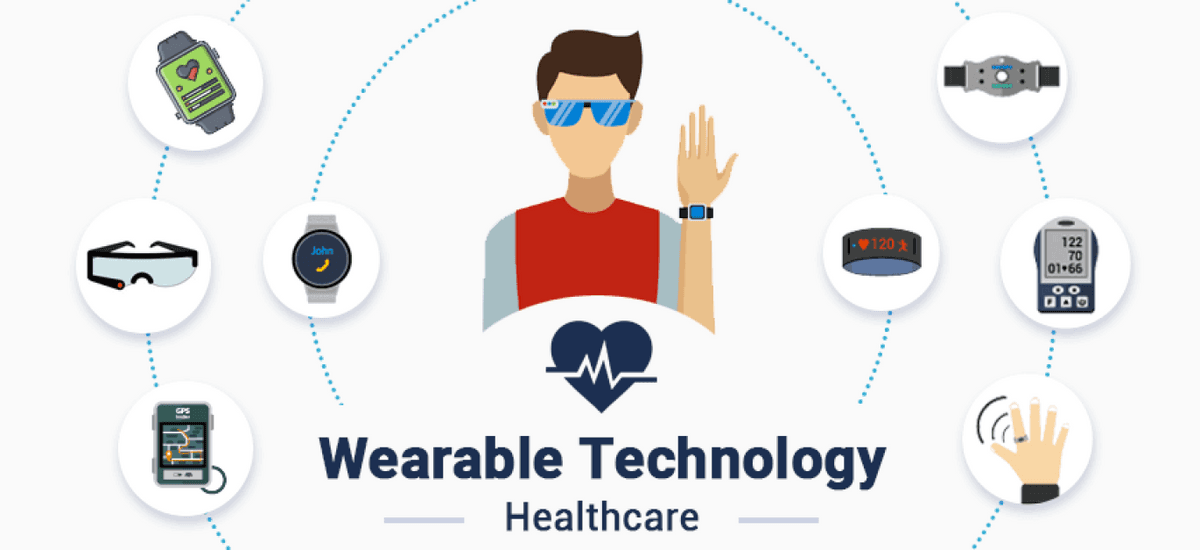
What Is Wearable Technology? How It Works, Types and Benefits
Wearable technology refers to smart electronic devices that can be worn on the body to collect data, provide digital services, and interact with other devices. These wearable devices often include sensors, wireless connectivity, processors, and software that monitor health, fitness, location, movement, or environmental conditions in real time.
From smartwatches and fitness trackers to smart glasses and medical wearables, wearable technology has become an important part of modern healthcare, communication, entertainment, and personal productivity.
What Is Wearable Technology?

Wearable technology is a category of electronic devices designed to be worn on the body, enabling users to monitor information, receive notifications, and interact with digital services while remaining mobile.
How Wearable Technology Works
Wearable devices use sensors to collect information such as heart rate, movement, body temperature, blood oxygen levels, sleep patterns, or location. The collected data is processed by the device or transmitted wirelessly to smartphones, computers, or cloud platforms for analysis and visualization. Many wearables also use Artificial Intelligence (AI) to generate personalized insights and recommendations.
Why Wearable Technology Matters
Wearable technology enables continuous health monitoring, improves fitness tracking, enhances workplace productivity, supports remote healthcare, and provides convenient access to digital information throughout the day.
Key Components of Wearable Technology
Several technologies work together inside wearable devices.
Sensors
Sensors measure physical activity, heart rate, body temperature, oxygen saturation, motion, and environmental conditions.
Processor
A built-in processor analyzes sensor data and manages device operations.
Wireless Connectivity
Technologies such as Bluetooth, Wi-Fi, NFC, and cellular networks connect wearables with other devices and cloud services.
Battery
Rechargeable batteries power wearable devices throughout daily use.
Display and User Interface
Touchscreens, voice controls, buttons, and gesture recognition enable user interaction.
Types of Wearable Technology
Wearable devices come in many forms.
Smartwatches
Provide notifications, fitness tracking, health monitoring, communication, and mobile applications.
Fitness Trackers
Monitor steps, workouts, calories burned, sleep quality, and overall physical activity.
Smart Glasses
Display digital information within the user's field of view and support augmented reality experiences.
Smart Rings
Track health metrics, sleep, activity, and wellness in a compact wearable form.
Medical Wearables
Continuously monitor health conditions such as heart rhythm, blood glucose, blood pressure, or oxygen levels.
Smart Clothing
Embedded sensors monitor body movement, posture, muscle activity, or athletic performance.
Common Applications of Wearable Technology
Wearables are transforming many industries.
Healthcare
Doctors and patients use wearable devices for remote monitoring, chronic disease management, rehabilitation, and preventive care.
Fitness
Athletes and fitness enthusiasts monitor workouts, heart rate, recovery, and performance.
Workplace Safety
Industrial workers wear smart devices that monitor fatigue, environmental hazards, and physical conditions.
Navigation
Smart glasses and wearable displays provide hands-free navigation and location information.
Entertainment
Wearables support gaming, music control, virtual experiences, and multimedia interaction.
Contactless Payments
Some smartwatches and smart rings allow users to make secure contactless payments.
Benefits of Wearable Technology
Wearable technology offers many advantages.
Continuous Health Monitoring
Users receive real-time information about their health and physical activity.
Improved Fitness
Wearables help users track goals, monitor progress, and stay motivated.
Increased Convenience
Notifications, calls, payments, and digital services are accessible without constantly using a smartphone.
Better Productivity
Hands-free access to information improves efficiency in many work environments.
Personalized Insights
AI-powered analytics provide customized recommendations based on user behavior and health data.
Challenges of Wearable Technology
Despite its benefits, wearable technology presents several challenges.
Battery Life
Many wearable devices require regular charging because of their compact size.
Privacy Concerns
Wearables collect sensitive personal and health data that must be protected.
Data Security
Wireless connectivity and cloud synchronization require strong cybersecurity measures.
Device Cost
Advanced wearable devices may be expensive for some consumers.
Best Practices for Using Wearable Technology
Users should follow these recommendations.
Keep Software Updated
Install firmware and security updates regularly.
Enable Security Features
Use strong authentication, device encryption, and Multi-Factor Authentication (MFA) where available.
Review Privacy Settings
Understand what information is collected and how it is shared.
Maintain Battery Health
Follow manufacturer recommendations for charging and battery care.
Use Health Data Responsibly
Wearable devices provide useful health information but should not replace professional medical advice or diagnosis.
Future of Wearable Technology
Wearable technology continues to evolve through Artificial Intelligence, 5G connectivity, flexible electronics, advanced sensors, edge computing, and digital health innovation. Future wearables are expected to provide more accurate health monitoring, longer battery life, enhanced augmented reality experiences, and deeper integration with smart homes, vehicles, and healthcare systems. As technology becomes smaller and more intelligent, wearable devices will play an even greater role in everyday life.
Conclusion
Wearable technology is transforming the way people monitor their health, stay connected, improve fitness, and interact with digital services. By combining sensors, wireless connectivity, AI, and cloud computing, wearable devices provide real-time insights that support healthier lifestyles, greater productivity, and smarter decision-making. As innovation continues, wearable technology is expected to become an increasingly important part of personal healthcare, enterprise solutions, and the connected digital ecosystem.
 What Is Wearable Technology? Complete Guide Explained FAQs
POST A COMMENT (0)
All Comments (0)
Replies (0)