





What Is the Internet of Things (IoT)? How It Works, Benefits and Applications
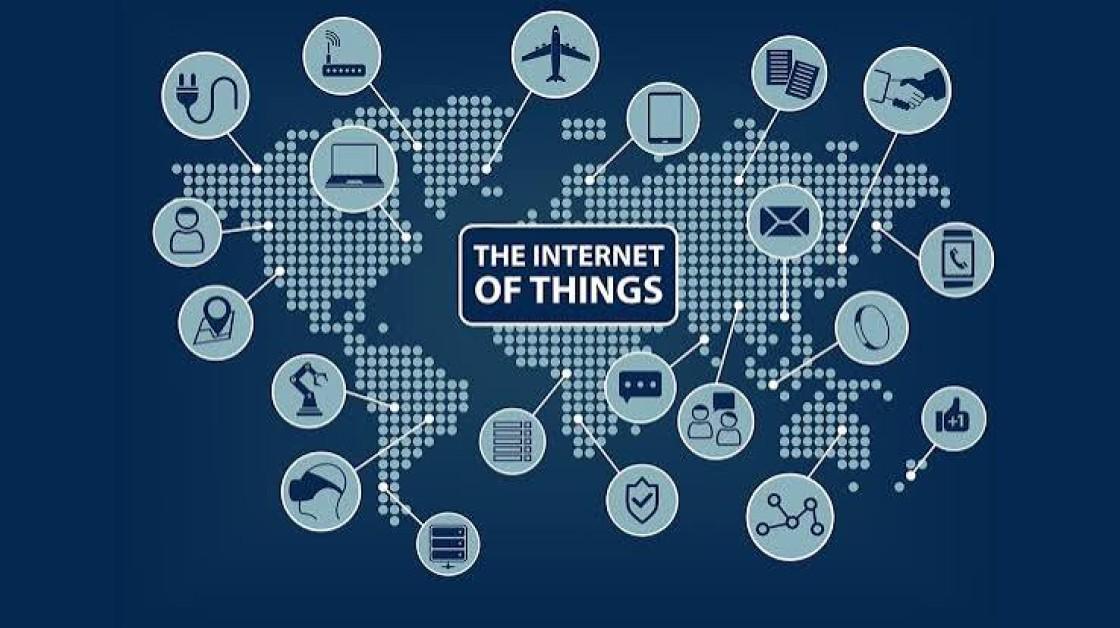
The Internet of Things (IoT) is a network of physical devices connected to the internet that can collect, exchange, and act on data without requiring constant human intervention. These connected devices include smart home products, wearable fitness trackers, industrial machines, vehicles, medical equipment, and environmental sensors. By combining sensors, software, cloud computing, Artificial Intelligence (AI), and wireless communication, IoT enables smarter automation, real-time monitoring, and data-driven decision-making across industries.
What Is the Internet of Things (IoT)?

The Internet of Things (IoT) is a system of internet-connected devices embedded with sensors, software, and communication technologies that allow them to collect, transmit, and sometimes act upon data.
How IoT Works
IoT devices collect information using built-in sensors. This data is transmitted over networks such as Wi-Fi, Bluetooth, cellular networks, or LPWAN (Low-Power Wide-Area Network) to cloud platforms or edge computing systems, where it is processed and analyzed. Based on the results, devices or applications may generate alerts, automate actions, or provide insights to users.
Why IoT Matters
IoT enables businesses and individuals to monitor assets, automate routine tasks, improve operational efficiency, reduce costs, and make better decisions using real-time data.
Key Components of IoT
Several technologies work together to power IoT systems.
Connected Devices
Physical devices such as sensors, cameras, smart appliances, vehicles, medical equipment, and industrial machines collect and exchange information.
Sensors and Actuators
Sensors measure environmental conditions such as temperature, humidity, motion, pressure, or location, while actuators perform physical actions based on received instructions.
Connectivity
IoT devices communicate using technologies such as Wi-Fi, Bluetooth, Zigbee, 5G, Ethernet, or Low-Power Wide-Area Networks (LPWANs).
Cloud Computing
Cloud platforms store, process, and analyze the vast amounts of data generated by connected devices.
Artificial Intelligence and Analytics
AI and machine learning analyze IoT data to detect patterns, predict outcomes, automate decisions, and improve system performance.
Types of IoT
IoT is used across many different environments.
Consumer IoT
Includes smart home devices such as smart speakers, security cameras, thermostats, lighting systems, and wearable fitness trackers.
Industrial IoT (IIoT)
Connects manufacturing equipment, industrial sensors, robotics, and production systems to improve efficiency and predictive maintenance.
Healthcare IoT
Supports remote patient monitoring, connected medical devices, smart hospital equipment, and telemedicine solutions.
Commercial IoT
Used in retail, logistics, agriculture, energy, transportation, and smart building management.
Real-World Applications of IoT
IoT is transforming numerous industries.
Smart Homes
Connected devices automate lighting, heating, security, entertainment, and energy management.
Smart Cities
IoT enables intelligent traffic management, smart parking, waste management, environmental monitoring, and public safety systems.
Agriculture
Farmers use connected sensors to monitor soil moisture, weather conditions, irrigation, and crop health.
Healthcare
IoT supports wearable health monitors, connected medical devices, and remote patient care.
Manufacturing
Industrial IoT improves equipment monitoring, predictive maintenance, supply chain visibility, and factory automation.
Transportation
Connected vehicles, fleet management systems, and intelligent transportation infrastructure improve efficiency and safety.
Benefits of the Internet of Things
IoT offers several significant advantages.
Improved Efficiency
Automation reduces manual work and increases operational productivity.
Real-Time Monitoring
Organizations gain instant visibility into equipment, assets, and environmental conditions.
Better Decision-Making
Continuous data collection supports informed business and operational decisions.
Cost Savings
Predictive maintenance, automation, and resource optimization help reduce operational expenses.
Enhanced Customer Experience
Connected products provide personalized services and improved user convenience.
Challenges of IoT
Despite its benefits, IoT presents several challenges.
Cybersecurity Risks
Connected devices may become targets for hacking, malware, and unauthorized access if not properly secured.
Data Privacy
Large-scale data collection raises concerns about personal privacy and responsible data management.
Device Management
Organizations may need to manage thousands of connected devices across multiple locations.
Interoperability
Devices from different manufacturers may not always communicate seamlessly due to varying standards and protocols.
Best Practices for IoT Security
Organizations and consumers should follow these recommendations.
Change Default Passwords
Replace factory default credentials with strong, unique passwords immediately after installation.
Keep Firmware Updated
Install security updates regularly to address known vulnerabilities.
Encrypt Data
Protect sensitive information during transmission and storage using strong encryption.
Segment Networks
Separate IoT devices from critical business systems or personal computers to reduce security risks.
Monitor Connected Devices
Continuously monitor device activity for unusual behavior or unauthorized access attempts.
Future of the Internet of Things
The Internet of Things continues to evolve through Artificial Intelligence, Edge Computing, 5G connectivity, digital twins, autonomous systems, and advanced analytics. Future IoT ecosystems will become more intelligent, enabling real-time decision-making, predictive maintenance, and greater automation across industries. As billions of additional devices connect to the internet, IoT will remain a key driver of digital transformation, smart infrastructure, and next-generation business innovation.
Conclusion
The Internet of Things (IoT) is transforming how people, businesses, and industries interact with technology by connecting everyday devices to the internet. Through sensors, cloud computing, AI, and automation, IoT enables smarter operations, real-time monitoring, and improved decision-making. While challenges such as cybersecurity and privacy must be addressed, IoT continues to create new opportunities for innovation across healthcare, manufacturing, transportation, agriculture, and smart cities.
 What Is the Internet of Things (IoT)? Complete Guide Explained FAQs
POST A COMMENT (0)
All Comments (0)
Replies (0)