





What Is Backup and Disaster Recovery? How It Works and Why It Matters
Backup and Disaster Recovery (BDR) is a combination of strategies, technologies, and processes that help organizations protect critical data and restore IT systems after unexpected disruptions. These disruptions may include cyberattacks, ransomware, hardware failures, software errors, natural disasters, or human mistakes. A well-planned BDR strategy minimizes downtime, reduces data loss, and ensures business continuity, making it an essential part of modern cybersecurity and IT operations.
What Is Backup and Disaster Recovery (BDR)?

Backup and Disaster Recovery (BDR) is the process of creating secure copies of data and establishing procedures to restore systems, applications, and services after a disruption or disaster.
How Backup and Disaster Recovery Works
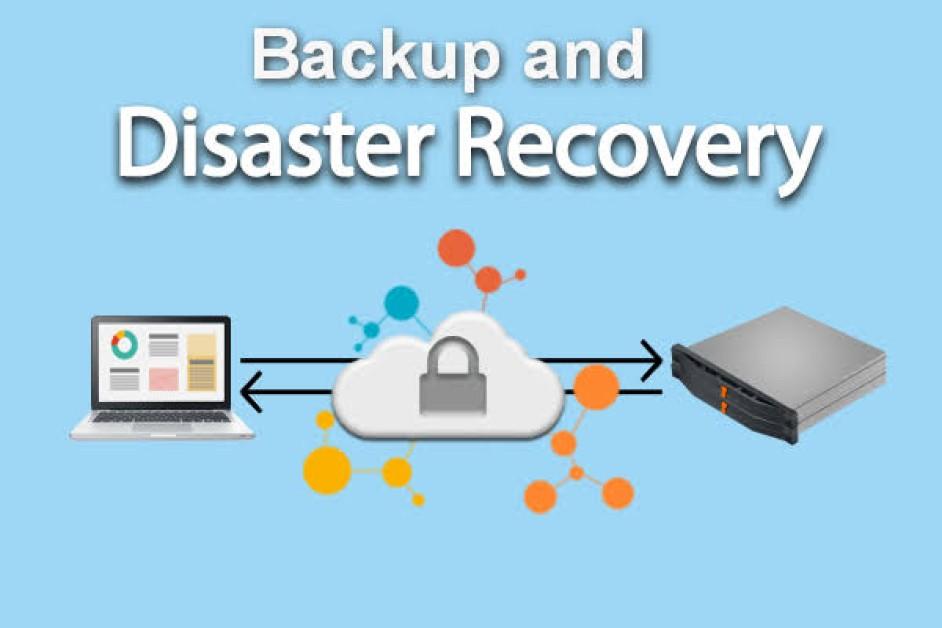
Organizations regularly create backups of files, databases, virtual machines, and applications, storing them in secure locations such as local storage, cloud platforms, or offsite data centers. If a disaster occurs, recovery procedures use these backups to restore data, rebuild systems, and resume business operations as quickly as possible.
Why Backup and Disaster Recovery Matters
Unexpected incidents can interrupt operations, cause financial losses, and damage customer trust. A strong BDR strategy helps organizations recover quickly while minimizing downtime and data loss.
Key Components of Backup and Disaster Recovery
A comprehensive BDR strategy includes several essential elements.
Data Backup
Regular backups create copies of important files, databases, applications, and system configurations.
Disaster Recovery Plan (DRP)
A documented recovery plan outlines procedures, responsibilities, communication protocols, and recovery priorities during an incident.
Recovery Objectives
Organizations define Recovery Time Objective (RTO) and Recovery Point Objective (RPO) to determine acceptable downtime and data loss limits.
Backup Storage
Backups should be stored across multiple locations, including local storage, cloud services, and secure offsite facilities, to improve resilience.
Recovery Testing
Regular testing ensures that backups are usable and recovery procedures work effectively during real incidents.
Types of Data Backups
Organizations use different backup methods depending on their recovery needs.
Full Backup
A full backup copies all selected data, providing the simplest recovery process but requiring the most storage space and time.
Incremental Backup
Incremental backups save only data that has changed since the previous backup, reducing storage requirements and backup time.
Differential Backup
A differential backup copies all changes made since the last full backup, offering a balance between storage efficiency and recovery speed.
Cloud Backup
Data is securely stored in cloud environments, providing geographic redundancy and easier disaster recovery.
Common Disaster Scenarios
BDR strategies help organizations recover from various incidents.
Ransomware Attacks
Clean backups allow organizations to restore encrypted files without relying on attackers.
Hardware Failures
Servers, storage devices, or networking equipment can fail unexpectedly, making reliable backups essential.
Natural Disasters
Floods, fires, earthquakes, storms, and other disasters may damage on-premises infrastructure.
Human Error
Accidental deletion, misconfiguration, or unintended data modification can result in significant data loss.
Benefits of Backup and Disaster Recovery
A strong BDR program provides several important advantages.
Business Continuity
Organizations can continue critical operations or restore them quickly after disruptions.
Reduced Data Loss
Frequent backups minimize the amount of information lost during an incident.
Faster Recovery
Well-defined recovery procedures reduce downtime and improve operational resilience.
Regulatory Compliance
Many regulations require organizations to maintain backup and recovery capabilities to protect sensitive information.
Best Practices for Backup and Disaster Recovery
Following these recommendations strengthens data protection.
Follow the 3-2-1 Backup Rule
Maintain at least three copies of data, stored on two different types of media, with one copy kept offsite or in the cloud.
Automate Backups
Schedule regular automated backups to ensure data is consistently protected.
Encrypt Backup Data
Protect backup files with strong encryption to prevent unauthorized access.
Test Recovery Regularly
Conduct recovery drills to verify that backups are complete, accessible, and recoverable.
Update Disaster Recovery Plans
Review and revise recovery procedures whenever infrastructure, applications, or business requirements change.
Challenges of Backup and Disaster Recovery
Despite its importance, BDR presents several challenges.
Large Data Volumes
Growing data storage requirements can increase backup times, storage costs, and recovery complexity.
Ransomware Targeting Backups
Modern ransomware may attempt to encrypt or delete backup repositories, making immutable or offline backups increasingly important.
Complex IT Environments
Hybrid cloud, multi-cloud, and distributed infrastructures require coordinated backup and recovery strategies.
Future of Backup and Disaster Recovery
Backup and Disaster Recovery is evolving through Artificial Intelligence, cloud-native backup platforms, immutable storage, ransomware detection, automated disaster recovery orchestration, and Disaster Recovery as a Service (DRaaS). Future BDR solutions will use AI to identify anomalies, automate recovery workflows, optimize backup schedules, and improve resilience against sophisticated cyber threats. As organizations become more dependent on digital services, intelligent and automated recovery solutions will play an increasingly critical role in ensuring business continuity.
Conclusion
Backup and Disaster Recovery is a cornerstone of modern cybersecurity and business continuity. By maintaining reliable backups, defining clear recovery objectives, and regularly testing recovery procedures, organizations can minimize downtime, protect valuable data, and recover quickly from cyberattacks, hardware failures, and other disasters. Combined with strong cybersecurity practices, an effective BDR strategy helps ensure long-term operational resilience and customer trust.
 What Is Backup and Disaster Recovery? Complete Guide FAQs
POST A COMMENT (0)
All Comments (0)
Replies (0)