





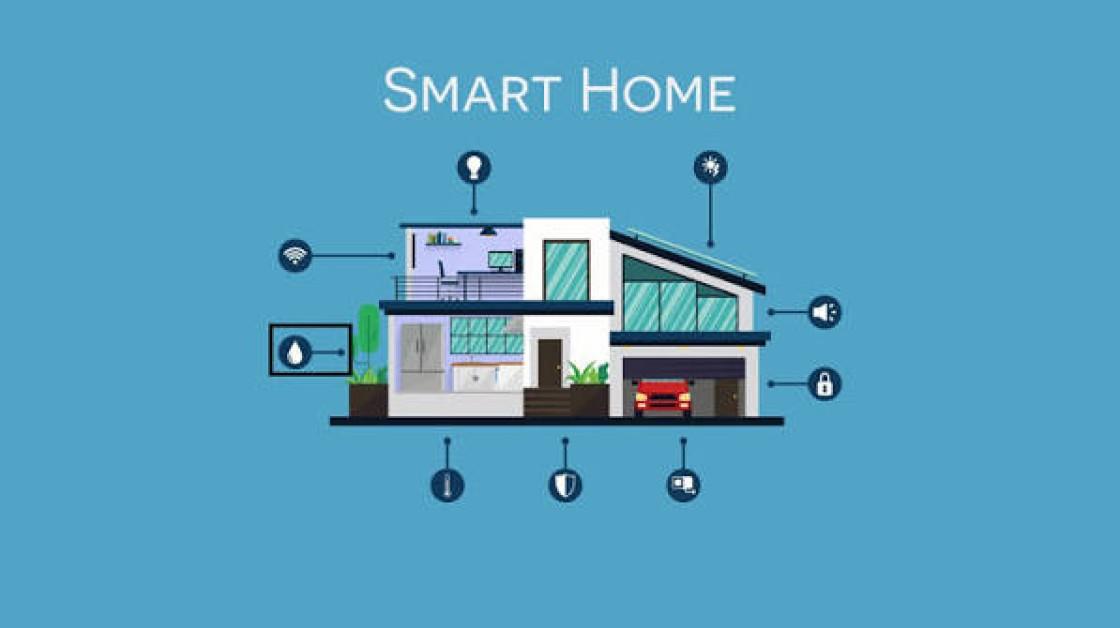
What Is a Smart Home? How It Works, Benefits and Smart Devices Explained
A smart home is a home equipped with internet-connected devices that can be monitored, controlled, and automated remotely using smartphones, tablets, voice assistants, or dedicated control systems. These devices communicate with one another to improve convenience, energy efficiency, security, and comfort.
From smart lighting and thermostats to security cameras, smart speakers, and connected appliances, smart home technology has become increasingly popular as part of the growing Internet of Things (IoT) ecosystem.
What Is a Smart Home?

A smart home is a residence where connected devices and appliances use internet connectivity, sensors, and automation to perform tasks with minimal manual intervention.
How a Smart Home Works
Smart devices connect through Wi-Fi, Bluetooth, Zigbee, Thread, Matter, or other communication technologies. They exchange information with a central hub, cloud platform, or directly with each other, allowing users to control devices remotely or automate actions based on schedules, sensor data, or predefined rules. Many systems also support voice commands through digital assistants.
Why Smart Homes Matter
Smart homes simplify everyday living by automating routine tasks, improving home security, reducing energy consumption, and enabling homeowners to manage devices from virtually anywhere.
Key Components of a Smart Home
Several technologies work together to create a connected home.
Smart Hub
A central hub coordinates communication between compatible smart devices and automation systems.
Sensors
Motion, temperature, light, humidity, door, window, smoke, and water leak sensors collect real-time environmental information.
Wireless Connectivity
Devices communicate through Wi-Fi, Bluetooth, Zigbee, Thread, Matter, or other wireless standards.
Mobile Applications
Smartphone apps allow users to monitor, configure, and control connected devices remotely.
Cloud Services
Many smart home platforms use cloud computing for remote access, software updates, automation, and device synchronization.
Common Smart Home Devices
Smart homes include a wide range of connected products.
Smart Speakers
Voice-controlled speakers play music, answer questions, and control compatible smart devices.
Smart Lighting
Lights can be scheduled, dimmed, automated, or controlled remotely.
Smart Thermostats
Heating and cooling systems automatically adjust temperatures to improve comfort and energy efficiency.
Smart Security Cameras
Connected cameras provide live video, motion detection, alerts, and remote monitoring.
Smart Door Locks
Users can lock or unlock doors remotely and manage digital access permissions.
Smart Doorbells
Video doorbells allow homeowners to see, hear, and communicate with visitors from anywhere.
Smart Appliances
Connected refrigerators, washing machines, ovens, and robotic vacuum cleaners automate household tasks.
Benefits of a Smart Home
Smart home technology offers numerous advantages.
Greater Convenience
Users can automate daily routines and control devices from almost anywhere.
Improved Security
Smart cameras, sensors, alarms, and locks help protect homes against unauthorized access.
Energy Efficiency
Automated lighting, heating, and cooling systems help reduce energy consumption.
Remote Monitoring
Homeowners can check device status and receive alerts while away from home.
Enhanced Accessibility
Voice control and automation make homes more accessible for older adults and people with disabilities.
Common Applications of Smart Homes
Smart home technology supports many everyday activities.
Home Security
Monitor entrances, detect motion, and receive emergency alerts in real time.
Energy Management
Optimize electricity usage through automated lighting and climate control.
Entertainment
Control televisions, speakers, streaming devices, and home theaters from a single interface.
Health Monitoring
Some smart devices monitor indoor air quality, sleep environments, or emergency situations.
Home Automation
Automate lighting, curtains, irrigation systems, and household routines based on schedules or sensor activity.
Challenges of Smart Homes
Despite their benefits, smart homes present several challenges.
Privacy Concerns
Connected devices may collect personal information, voice recordings, and usage data.
Cybersecurity Risks
Poorly secured devices may become targets for unauthorized access or cyberattacks.
Compatibility Issues
Not all smart devices work seamlessly with every platform or ecosystem.
Internet Dependence
Many smart home features rely on a stable internet connection for full functionality.
Best Practices for Smart Home Security
Users should follow these recommendations.
Use Strong Passwords
Protect every smart device account with unique passwords.
Enable Multi-Factor Authentication (MFA)
Add an extra layer of security wherever supported.
Keep Devices Updated
Install firmware and software updates regularly.
Secure Your Wi-Fi Network
Use strong encryption and change default router credentials.
Review Privacy Settings
Understand what information devices collect and adjust settings according to your preferences.
Future of Smart Homes
Smart homes continue to evolve through Artificial Intelligence, edge computing, advanced sensors, energy management systems, robotics, and universal connectivity standards such as Matter. AI-powered home automation is enabling devices to learn user preferences, predict routines, optimize energy usage, and improve home security automatically. As connected ecosystems become more interoperable and affordable, smart homes are expected to become a standard feature of modern living.
Conclusion
Smart home technology is transforming how people interact with their living spaces by connecting devices through the Internet of Things. From improving security and energy efficiency to enhancing convenience and accessibility, smart homes offer numerous benefits for homeowners and families. As AI, cloud computing, and connected devices continue to advance, smart homes will become even more intelligent, efficient, and integrated into everyday life.
 What Is a Smart Home? Complete Guide Explained in Detail FAQs
POST A COMMENT (0)
All Comments (0)
Replies (0)