





What Are Large Language Models? How They Work, Applications and Benefits
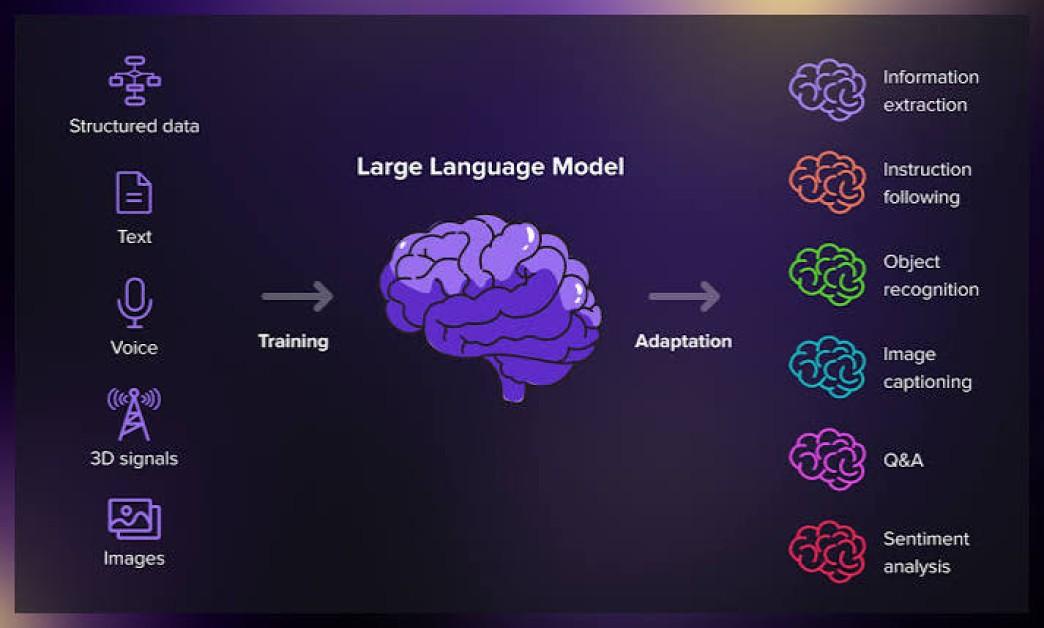
Large Language Models (LLMs) are advanced Artificial Intelligence systems designed to understand, generate, summarize, and analyze human language. Built using deep learning techniques and transformer-based neural networks, LLMs are trained on massive datasets containing books, articles, websites, research papers, and other text sources. These models can answer questions, create content, translate languages, summarize documents, write computer code, and assist with decision-making across various industries. As Generative AI adoption accelerates worldwide, Large Language Models have become one of the most transformative technologies driving innovation in business, education, healthcare, finance, and customer service.
What Are Large Language Models?
Large Language Models are AI models trained to predict and generate human-like text by learning patterns, grammar, context, and relationships between words from enormous datasets. Rather than storing predefined answers, they generate responses based on probabilities learned during training.
How Large Language Models Work
LLMs process text by breaking it into smaller units called tokens. Using transformer architectures and deep neural networks, they analyze relationships between words, understand context, and generate coherent responses based on the input they receive.
Why Large Language Models Matter
Large Language Models allow businesses and individuals to automate language-based tasks that previously required significant human effort. They improve productivity, enhance customer experiences, accelerate research, and simplify access to information across multiple domains.
Key Technologies Behind Large Language Models
Several advanced AI technologies work together to power modern LLMs.
Transformer Architecture
Transformer models enable LLMs to process large amounts of text efficiently by understanding relationships between words regardless of their position within a sentence. This architecture has become the foundation of modern language AI.
Deep Learning
Deep Learning allows LLMs to learn complex language patterns from massive datasets through multiple neural network layers, improving their ability to generate accurate and context-aware responses.
Natural Language Processing
Natural Language Processing enables LLMs to understand human language, recognize intent, answer questions, summarize information, translate content, and support conversational interactions.
Applications of Large Language Models
Large Language Models are being adopted across industries to improve efficiency and automate knowledge-based tasks.
Customer Service
Businesses use LLMs to power intelligent chatbots, virtual assistants, automated customer support, and multilingual communication, improving response times and customer satisfaction.
Content Creation
LLMs assist with writing articles, reports, emails, product descriptions, marketing content, and educational materials, helping organizations streamline content production.
Software Development
Developers use Large Language Models to generate code, explain programming concepts, identify software bugs, and improve coding productivity.
Healthcare and Research
Healthcare organizations and researchers use LLMs to summarize medical literature, assist with documentation, analyze research findings, and improve access to knowledge.
Benefits of Large Language Models
Large Language Models offer significant advantages for organizations embracing Artificial Intelligence.
Increased Productivity
LLMs automate repetitive language-based tasks, enabling employees to focus on strategic work while improving operational efficiency.
Better Decision Support
By analyzing large volumes of information and generating concise summaries, LLMs help professionals make faster and more informed decisions.
Multilingual Capabilities
Many Large Language Models support multiple languages, making them valuable tools for global businesses serving diverse customer bases.
Challenges of Large Language Models
Despite their growing capabilities, Large Language Models face several technical and ethical challenges.
Accuracy and Hallucinations
LLMs may occasionally generate inaccurate or misleading information if sufficient context or reliable data is unavailable. Human review remains important for critical applications.
Privacy and Security
Organizations must protect sensitive information when deploying LLMs and ensure compliance with data privacy regulations and internal security policies.
Bias and Responsible AI
Because LLMs learn from large datasets, they may reflect biases present in training data. Responsible development, transparency, and ongoing monitoring are essential to improve fairness and reliability.
Future of Large Language Models
Large Language Models are expected to become increasingly capable through advances in computing power, model architectures, and training techniques. Future LLMs are likely to support more accurate reasoning, multimodal capabilities, real-time decision support, and industry-specific applications. As businesses continue investing in AI-driven transformation, LLMs will play an increasingly important role in improving productivity, innovation, and digital experiences.
Conclusion
Large Language Models have transformed how humans interact with Artificial Intelligence by enabling machines to understand and generate natural language with remarkable fluency. Their ability to automate communication, enhance productivity, and support decision-making is driving adoption across industries worldwide. As the technology continues to evolve, Large Language Models are expected to remain a key pillar of the next generation of intelligent digital solutions.
 What Are Large Language Models? Complete Guide | NEX NEWS FAQs
POST A COMMENT (0)
All Comments (0)
Replies (0)