






What Are AI Agents? How They Work, Types and Real-World Applications
AI agents are intelligent software systems that can perceive information, make decisions, and perform tasks autonomously to achieve specific goals. Unlike traditional AI chatbots that mainly respond to user prompts, AI agents can plan, reason, interact with external tools, retrieve information, and execute multi-step workflows with minimal human intervention. As Artificial Intelligence continues to evolve, AI agents are becoming increasingly important across business operations, software development, customer service, healthcare, finance, and enterprise automation.
What Are AI Agents?
AI agents are autonomous AI systems designed to observe their environment, process information, make decisions, and take actions to accomplish assigned objectives. They can interact with applications, databases, APIs, and digital tools while adapting to changing conditions.
How AI Agents Work
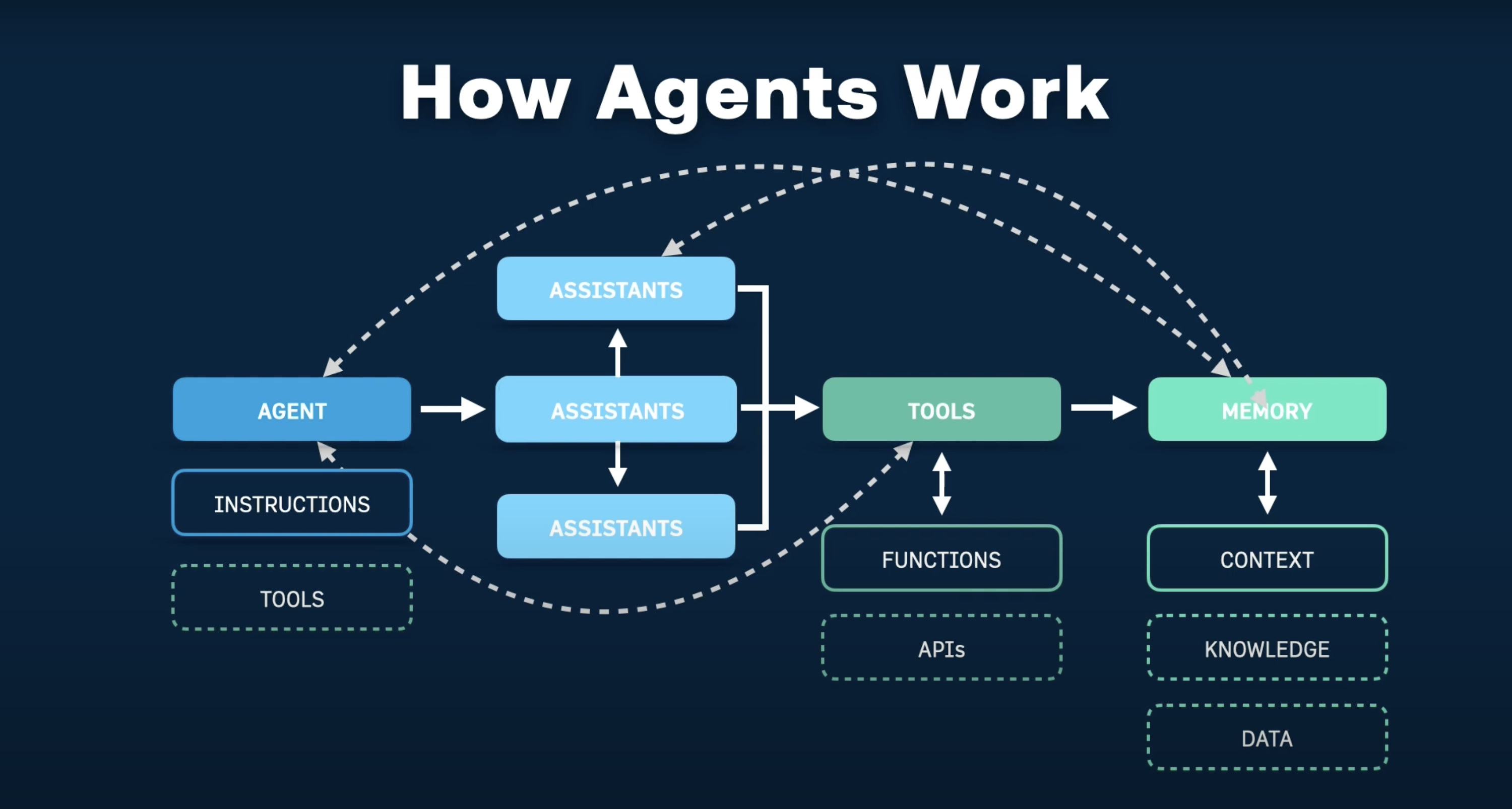
AI agents combine Large Language Models, machine learning, reasoning engines, memory, planning capabilities, and external tools to complete tasks. They analyze objectives, break complex problems into smaller steps, execute actions, evaluate results, and adjust their approach when necessary.
Why AI Agents Matter
AI agents move beyond simple question-answering by automating complex workflows, reducing manual effort, improving productivity, and enabling organizations to scale intelligent business processes.
Types of AI Agents
Different AI agents are designed for different levels of autonomy and complexity.
Reactive AI Agents
Reactive agents respond to immediate inputs without maintaining long-term memory or planning future actions. They are commonly used for straightforward automation tasks.
Goal-Based AI Agents
Goal-based agents evaluate multiple possible actions before selecting the one most likely to achieve a predefined objective.
Learning AI Agents
Learning agents continuously improve their performance by analyzing previous interactions, user feedback, and new data over time.
Multi-Agent Systems
Multiple AI agents can collaborate by sharing information and coordinating actions to solve larger or more complex problems.
Applications of AI Agents
AI agents are transforming numerous industries through intelligent automation.
Customer Support
Businesses deploy AI agents to handle customer inquiries, resolve support requests, automate ticket management, and provide personalized assistance.
Software Development
Developers use AI agents for code generation, debugging, software testing, documentation, and project management automation.
Enterprise Operations
Organizations use AI agents to automate workflows, analyze business data, manage internal knowledge bases, and improve operational efficiency.
Healthcare and Finance
AI agents assist with document analysis, workflow automation, research support, compliance monitoring, and decision support in highly regulated industries.
Benefits of AI Agents
AI agents offer several advantages over traditional automation systems.
Greater Productivity
AI agents automate repetitive and multi-step tasks, allowing employees to focus on higher-value work.
Intelligent Decision-Making
By combining reasoning, planning, and contextual understanding, AI agents can make more informed decisions during complex workflows.
Continuous Automation
AI agents can operate with minimal supervision, completing tasks, monitoring outcomes, and adapting to changing conditions.
Challenges of AI Agents
Despite their capabilities, AI agents also present several challenges.
Accuracy and Reliability
AI agents may occasionally produce incorrect decisions or actions, making human oversight important for critical business processes.
Security and Privacy
Organizations must ensure AI agents securely handle sensitive information and comply with data protection regulations.
Governance and Control
Deploying autonomous AI requires clear policies, monitoring, transparency, and responsible AI practices to minimize operational risks.
Future of AI Agents
AI agents are expected to become increasingly sophisticated through advances in reasoning, memory, multimodal AI, and enterprise integration. Future systems will collaborate with humans, automate complex business workflows, manage digital environments, and support decision-making across industries. As Artificial Intelligence continues to mature, AI agents are likely to become a core component of intelligent enterprise software and digital transformation strategies.
Conclusion
AI agents represent the next evolution of Artificial Intelligence by combining reasoning, planning, memory, and automation to complete tasks with minimal human intervention. Their ability to interact with tools, make decisions, and execute complex workflows is transforming business operations, software development, healthcare, finance, and customer service. As AI technology advances, AI agents are expected to play an increasingly important role in shaping the future of intelligent automation.
 What Are AI Agents? Complete Guide to Intelligent AI Systems FAQs
POST A COMMENT (0)
All Comments (0)
Replies (0)