





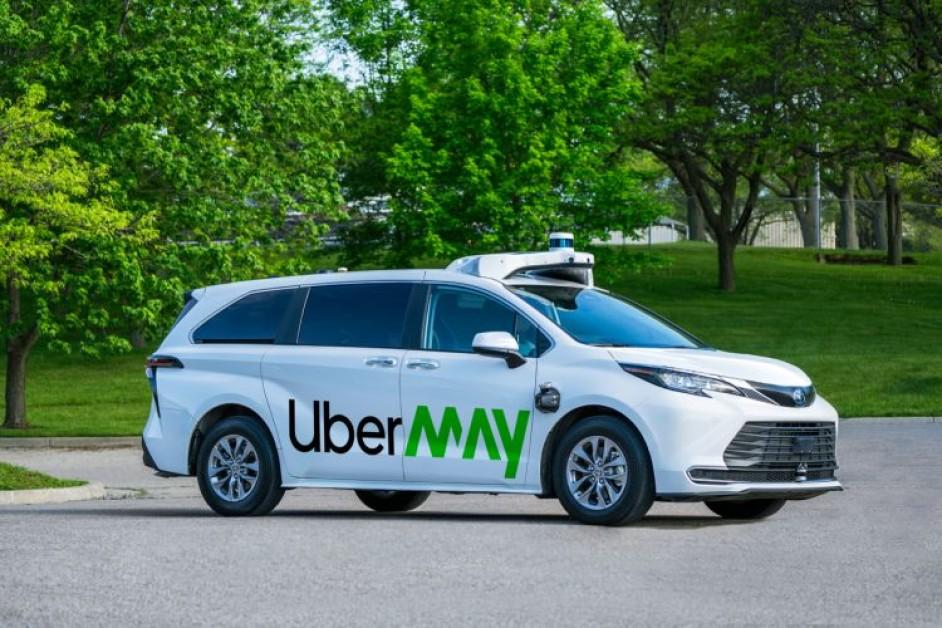
Uber and May Mobility Join Forces to Pioneer Robotaxi Services in U.S. Urban Areas
In a major stride toward the future of urban transportation, Uber announced its partnership with May Mobility in 2025 to launch fully autonomous robotaxi services in selected U.S. cities. This collaboration marks a critical step in Uber’s long-term vision to integrate self-driving vehicles into its ride-hailing network, offering safer, more efficient, and environmentally friendly mobility solutions.
About May Mobility: The Autonomous Driving Innovator
May Mobility is a leading developer of autonomous vehicle (AV) technology, specializing in deploying self-driving shuttles and vehicles designed for urban environments. Founded in 2017, the company has earned recognition for its focus on real-world, low-speed autonomous transit solutions, currently operating in several cities across the United States.
May Mobility’s expertise in combining advanced sensors, AI-based navigation, and fleet management systems makes it a perfect strategic partner for Uber’s ambitious robotaxi goals.
What the Partnership Means for Consumers
The Uber-May Mobility collaboration aims to integrate May Mobility’s autonomous vehicles into Uber’s extensive ride-hailing platform, allowing customers in pilot cities to book self-driving rides seamlessly through the familiar Uber app.
Key benefits anticipated from this partnership include:
-
Enhanced safety: Autonomous vehicles use sophisticated sensors and AI to detect and avoid hazards, reducing accidents caused by human error.
-
Reduced operational costs: Robotaxis lower costs by eliminating the need for drivers, potentially leading to more affordable rides.
-
Increased accessibility: The service aims to serve underserved areas and provide transportation options for those who cannot drive, including elderly or disabled individuals.
-
Sustainability: Many of May Mobility’s vehicles are electric, contributing to reduced urban emissions and supporting city sustainability goals.
Pilot Cities and Deployment Timeline
Uber and May Mobility plan to roll out the robotaxi service initially in mid-sized U.S. cities with favorable regulatory environments and supportive infrastructure. Early launch cities include:
-
Ann Arbor, Michigan: Known for its tech-savvy population and existing AV pilot programs.
-
Pittsburgh, Pennsylvania: A hub for autonomous vehicle research with established testing facilities.
-
Austin, Texas: Rapidly growing city with strong support for smart transportation initiatives.
The rollout will be gradual, with extensive safety testing and regulatory approvals preceding full commercial deployment. Uber aims to have robotaxis operational in these cities by the end of 2025, with plans to expand nationwide over the following years.
Technological Features of Uber-May Mobility Robotaxis
The autonomous vehicles developed by May Mobility for Uber’s robotaxi service incorporate cutting-edge technology:
-
LIDAR and Radar sensors: Provide 360-degree environmental awareness.
-
High-definition cameras: Enhance object recognition and traffic understanding.
-
AI-powered navigation: Capable of complex urban driving scenarios including intersections, pedestrian zones, and varying weather conditions.
-
Real-time fleet management: Ensures efficient dispatch, route optimization, and vehicle maintenance.
The vehicles are designed for low to moderate speeds, ideal for urban and suburban environments, emphasizing safety and comfort.
Challenges and Regulatory Environment
While promising, deploying robotaxis faces challenges such as:
-
Regulatory hurdles: Autonomous vehicle regulations vary by state and city, requiring close collaboration with local authorities.
-
Public acceptance: Building trust in self-driving cars remains crucial for widespread adoption.
-
Technical limitations: Ensuring reliability in diverse and unpredictable traffic scenarios is an ongoing engineering challenge.
Uber and May Mobility are actively engaging regulators, safety experts, and communities to address these issues responsibly.
Impact on the Ride-Hailing Industry
This partnership signals a significant shift in the ride-hailing market. Autonomous robotaxis promise to:
-
Reduce costs for providers and passengers.
-
Increase availability during peak hours by optimizing fleet operations.
-
Set new standards for urban mobility, pushing competitors to accelerate their own AV projects.
For Uber, integrating robotaxis aligns with its vision to reduce reliance on human drivers and lead the transition toward future mobility solutions.
Conclusion: A New Era for Urban Mobility
Uber’s partnership with May Mobility to launch robotaxi services represents a transformative moment for urban transportation in the U.S. By leveraging advanced autonomous driving technology, this collaboration offers the promise of safer, cleaner, and more efficient mobility options.
As the service rolls out in select cities by the end of 2025, it could redefine how millions of people move within urban spaces, paving the way for a future where robotaxis are a common sight on American streets.
 Related News
POST A COMMENT (0)
All Comments (0)
Replies (0)