





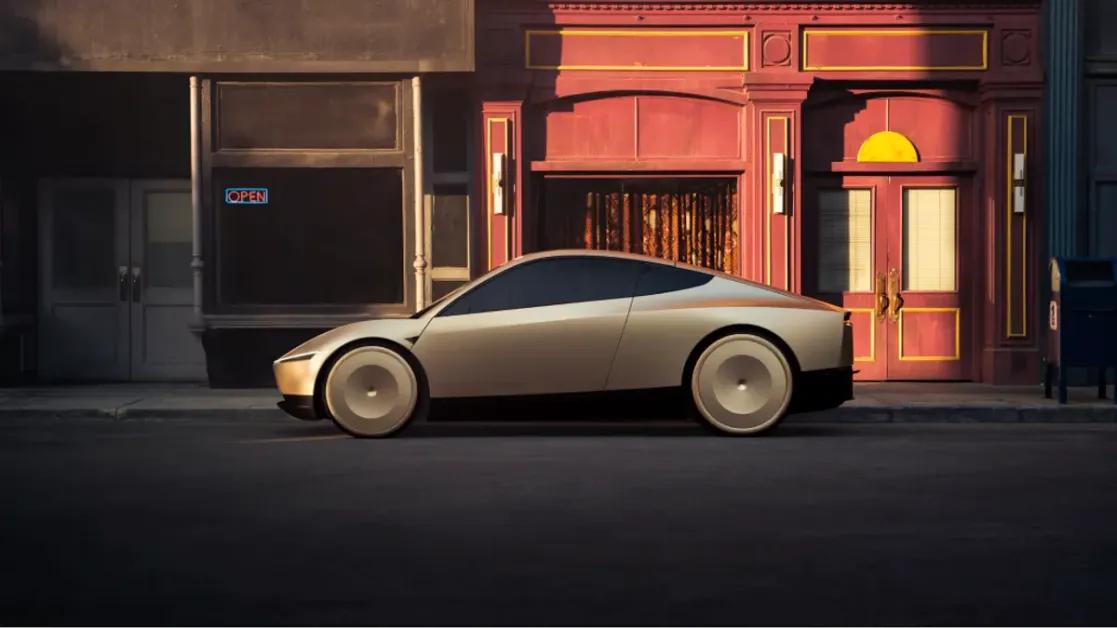
Tesla’s Cybercab: Revolutionizing Urban Mobility with Autonomous Robotaxis
Tesla, a pioneer in electric vehicles and autonomous driving technology, is poised to make a major leap in urban transportation by debuting its Cybercab robotaxi service in Austin, Texas, before the end of 2025. This ambitious project is part of Tesla’s broader strategy to transform the ride-hailing industry through cutting-edge AI and electric vehicle innovation.
What Is the Cybercab Robotaxi?
The Cybercab is Tesla’s envisioned fully autonomous, electric robotaxi designed to operate without human drivers. It builds on Tesla’s existing expertise in:
-
Electric vehicle engineering, ensuring zero emissions and high efficiency.
-
Autopilot and Full Self-Driving (FSD) software, leveraging neural networks and real-time sensor fusion to navigate complex urban environments.
-
Battery technology, promising extended range and fast charging.
The Cybercab will serve as a driverless taxi available through Tesla’s app, providing users with a seamless and affordable ride experience.
Why Austin?
Austin, Texas, has emerged as a key hub for Tesla, hosting the company’s Gigafactory Texas — a massive manufacturing facility responsible for producing the Tesla Model Y and Cybertruck. The city’s progressive approach to autonomous vehicle regulations and supportive infrastructure make it an ideal testing and launch ground for the Cybercab service.
Additionally, Austin’s growing population and urban sprawl create strong demand for innovative transportation solutions that ease congestion and reduce pollution.
Key Features of Tesla Cybercab
-
Autonomous Navigation: Using Tesla’s advanced FSD system, Cybercabs will navigate city streets, highways, and complex traffic scenarios with minimal human intervention.
-
Electric Powertrain: The Cybercab will be fully electric, aligning with Tesla’s mission of sustainable transport and contributing to cleaner urban air.
-
User-Friendly Interface: Booking and managing rides will be integrated directly into Tesla’s app ecosystem, offering smooth, convenient access.
-
Vehicle Design: While details remain under wraps, Tesla’s design philosophy suggests a spacious, minimalist interior optimized for passenger comfort and safety.
Tesla’s Approach to Robotaxi Deployment
Tesla’s robotaxi service differs from other autonomous fleets in its use of a fully driverless system with no backup safety driver onboard, aiming to maximize efficiency and reduce operating costs.
Elon Musk, Tesla’s CEO, has repeatedly emphasized the potential for robotaxis to disrupt traditional ride-hailing markets by offering significantly lower fares due to reduced labor costs.
Tesla also plans to allow Cybercab owners to add their vehicles to the robotaxi network, creating a decentralized fleet and offering an additional source of income to Tesla owners.
Challenges on the Road Ahead
Tesla faces several challenges in launching Cybercab:
-
Regulatory hurdles: Fully driverless operation without a safety driver is still under scrutiny in many jurisdictions, requiring close coordination with Austin and Texas authorities.
-
Technology readiness: Although Tesla’s FSD is among the most advanced, it still requires extensive real-world testing to achieve full autonomy safely.
-
Public trust: Gaining consumer confidence in a fully autonomous taxi service is essential for widespread adoption.
Tesla has been steadily rolling out incremental updates to its FSD software and conducting controlled pilot programs, building toward the Cybercab launch.
Potential Impact on the Ride-Hailing Industry
Cybercab’s arrival in Austin could disrupt existing services like Uber and Lyft by offering:
-
Lower-cost rides due to driverless operations.
-
24/7 availability without driver fatigue constraints.
-
Cleaner transportation options through zero-emission vehicles.
Tesla’s robotaxi could accelerate the shift towards autonomous mobility and prompt competitors to enhance their own AV strategies.
Conclusion: Tesla’s Cybercab Poised to Change Urban Transport
Tesla’s plan to launch the Cybercab robotaxi service in Austin by the end of 2025 signals a major advancement in autonomous and electric mobility. Combining Tesla’s leading-edge AI with electric vehicle expertise, Cybercab has the potential to redefine urban transportation — making it safer, more efficient, and sustainable.
As the debut approaches, all eyes will be on Austin to see how Tesla navigates regulatory, technical, and social challenges to bring fully autonomous robotaxis to city streets.
 Related News
POST A COMMENT (0)
All Comments (0)
Replies (0)