





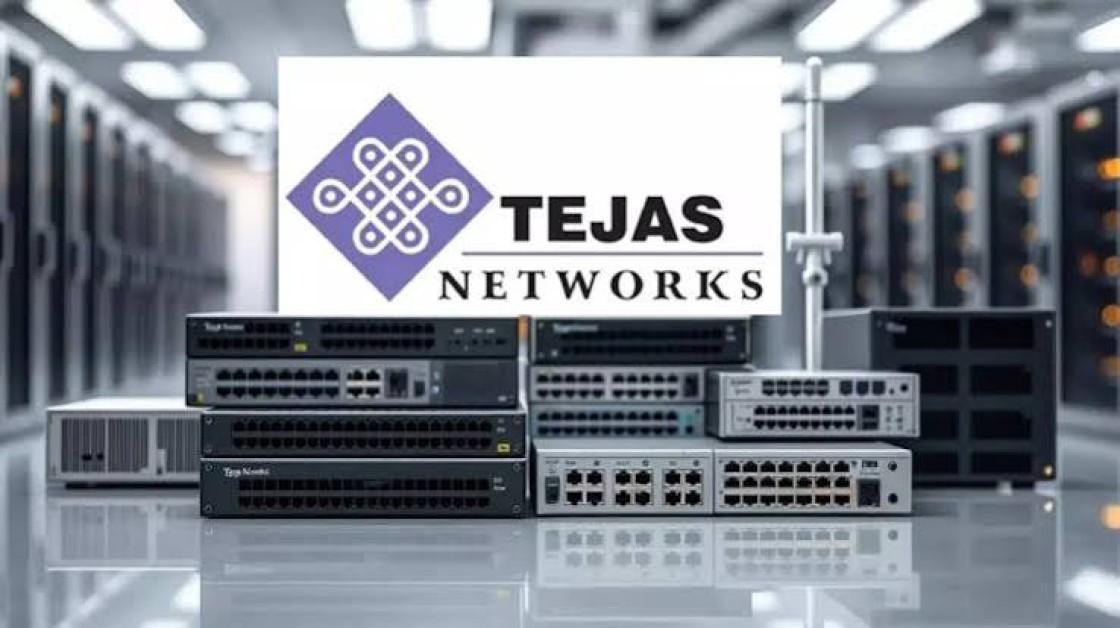
Tejas Networks Faces a Revenue Recovery Challenge
Revenue recovery has become a central consideration for investors assessing Tejas Networks.
Telecommunications equipment manufacturers often experience fluctuations in quarterly revenue because customer spending is concentrated around major network deployment programmes.
Large contracts can support substantial revenue during periods of intensive equipment delivery, while subsequent phases may involve lower shipment volumes or delayed procurement.
As a result, financial performance can vary significantly between reporting periods.
For Tejas Networks, the key challenge is establishing a more consistent revenue base through a combination of domestic network projects, international customers and a broader product portfolio.
Investors will assess whether the company's business pipeline can translate into recognised revenue and improved operating performance.
Indigenous 5G Radio Development Advances

The development of indigenous 5G radio technology represents an important strategic opportunity for Tejas Networks.
5G radio access equipment enables communication between mobile devices and telecommunications networks.
Such systems require advanced radio-frequency engineering, software integration, network interoperability and compliance with telecommunications standards.
Developing domestic capabilities in these technologies can reduce reliance on imported network equipment and support India's broader technology manufacturing ambitions.
However, progress in product development does not automatically translate into commercial revenue.
Equipment must undergo testing, customer qualification and deployment before manufacturers can generate meaningful sales from new products.
India's Domestic Telecom Technology Ecosystem Expands
India has been seeking to strengthen its domestic telecommunications technology capabilities through manufacturing incentives, research initiatives and network infrastructure programmes.
The development of locally designed telecommunications equipment is strategically important because communications networks support economic activity, public services and digital infrastructure.
Domestic technology suppliers can potentially participate in mobile network expansion, broadband deployment and enterprise connectivity projects.
Tejas Networks is positioned within this emerging ecosystem through its telecommunications equipment and networking technologies.
The long-term opportunity depends on the ability of Indian manufacturers to compete with established international suppliers on performance, reliability, cost and service support.
BSNL Network Development Remains Important
The expansion and modernisation of Bharat Sanchar Nigam Limited's mobile network have created significant opportunities for domestic telecommunications technology providers.
BSNL's indigenous 4G network programme has involved Indian technology and equipment suppliers, including Tejas Networks.
Such programmes can support domestic manufacturing and help establish operating experience with large-scale network deployments.
However, major telecommunications projects typically involve complex implementation schedules, technical acceptance procedures and multiple participating organisations.
For equipment manufacturers, the timing of customer deliveries and project milestones can materially influence quarterly revenue.
Future business opportunities will also depend on network requirements, procurement decisions and the commercial readiness of relevant technologies.
International Orders Could Support Business Diversification
Growing international order opportunities are an important element of Tejas Networks' business outlook.
Overseas telecommunications operators require equipment for broadband expansion, fibre networks, mobile connectivity and infrastructure upgrades.
Indian manufacturers with competitive technology and pricing may be able to serve customers in emerging and established markets.
International business can reduce dependence on a limited number of domestic customers or large infrastructure programmes.
However, orders must be distinguished from completed deliveries and recognised revenue.
The financial contribution of overseas contracts depends on execution schedules, contractual terms, customer acceptance and payment collection.
Global Telecom Markets Present Competitive Challenges
International telecommunications equipment markets are highly competitive.
Established global manufacturers benefit from extensive research capabilities, large installed customer bases and long-standing operator relationships.
Newer suppliers must demonstrate product reliability, network interoperability, security compliance and competitive total ownership costs.
Tejas Networks must also address country-specific certification requirements and provide technical support to international customers.
Winning initial contracts can create opportunities for longer-term relationships, but maintaining those relationships requires consistent delivery and product performance.
A sustained international expansion strategy therefore depends on more than order announcements.
Revenue Recognition Depends on Project Execution
Telecom equipment contracts can involve multiple stages, including product manufacturing, shipment, installation, testing and customer acceptance.
The timing of revenue recognition depends on contractual obligations and applicable accounting requirements.
Consequently, a company may report a substantial order pipeline without immediately recording an equivalent increase in revenue.
Project delays, changes in deployment schedules and component availability can also influence financial results.
For Tejas Networks, the conversion of outstanding orders into revenue will be an important measure of operational progress.
Investors should evaluate reported order activity alongside actual sales, margins and cash generation.
Research and Development Remains a Major Investment Priority
Telecommunications equipment manufacturing requires continuous investment in research and development.
The transition from 4G to 5G, along with ongoing changes in network architecture, creates demand for new hardware and software capabilities.
Companies developing advanced networking products must invest in engineering talent, testing infrastructure and intellectual property.
These expenses can affect short-term profitability even when they support longer-term growth.
For Tejas Networks, the commercial success of indigenous 5G products will depend on technical performance, customer adoption and the company's ability to achieve competitive production economics.
Balancing research expenditure with revenue growth will remain important.
Working Capital and Cash Flow Are Critical
Large equipment contracts can require significant working capital.
Manufacturers may need to purchase components, build inventory and complete deliveries before receiving customer payments.
This can create differences between reported revenue and operating cash flow.
As international operations expand, payment terms and logistics requirements can add further complexity.
Investors assessing a potential recovery will therefore monitor inventory levels, receivables, operating cash flow and funding requirements.
Sustainable financial improvement requires not only higher revenue but also efficient cash conversion and disciplined capital management.
Tata Group Association Supports Industrial Positioning
Tejas Networks' association with the Tata Group provides a broader corporate context for its development in telecommunications technology.
The Tata ecosystem has capabilities across technology services, electronics, engineering and industrial manufacturing.
These areas are relevant to the development of advanced communications equipment and supporting supply chains.
However, group association alone does not guarantee orders, profitability or commercial success.
Tejas Networks must independently demonstrate competitive products, reliable execution and financial performance.
What Investors Will Watch in Upcoming Results
The company's forthcoming financial disclosures will be important for evaluating the pace of revenue recovery.
Investors are likely to focus on several operational and financial indicators, including revenue growth, operating margins, customer concentration and cash flow.
Progress in indigenous 5G radio development will also be closely monitored, particularly the transition from engineering milestones to commercial deployments.
International order execution and new customer relationships could provide further evidence of business diversification.
The sustainability of recovery will depend on whether these developments produce recurring revenue and improved profitability over multiple reporting periods.
Conclusion
Tejas Networks is navigating a critical phase as it works to improve revenue performance while advancing indigenous 5G technology and pursuing international telecommunications equipment opportunities.
Its technological development and global business ambitions could strengthen the company's competitive position within India's expanding telecom manufacturing ecosystem.
However, commercial success will depend on converting product development and customer orders into timely deliveries, recognised revenue and positive cash flow.
For investors, the most important indicators will be sustained financial recovery, successful deployment of new technologies and the company's ability to build a diversified international customer base.
 Tejas Networks Faces Revenue Recovery Test as Indigenous 5G and Global Orders Advance FAQs
POST A COMMENT (0)
All Comments (0)
Replies (0)